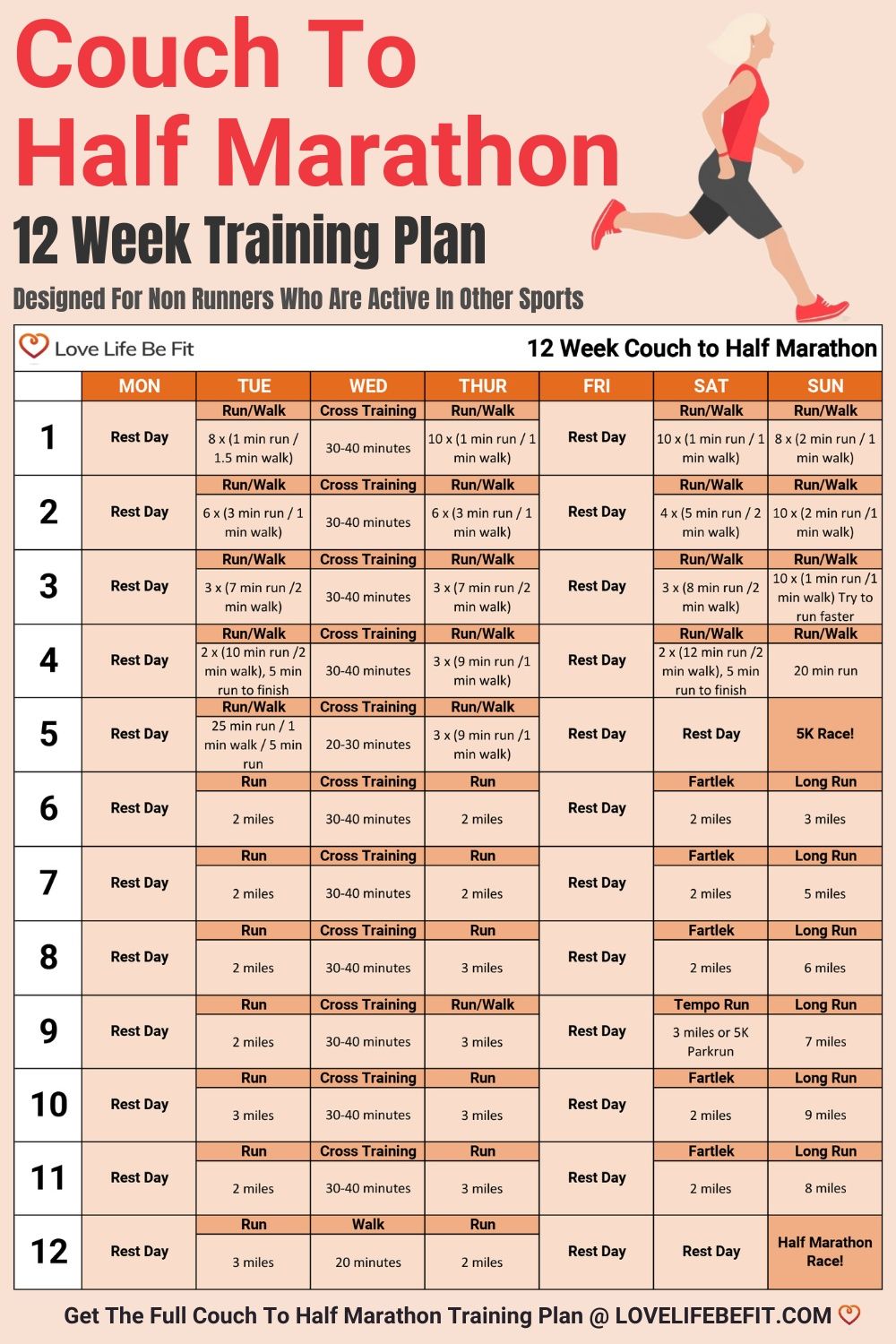
Embarking on a journey to conquer a half marathon can be both exhilarating and daunting, particularly for beginners. The allure of crossing that finish line often comes with a mélange of emotions: excitement, fear, and anticipation. However, the proverbial ‘head start’ often begins on the couch, as many discover that transitioning from a sedentary lifestyle to a 13.1-mile accomplishment is entirely feasible with the right training plan. This is where a structured 20-week Couch to Half Marathon Training Plan becomes invaluable. It offers a gradual and sustainable approach, ensuring that novices develop both the physical and mental fortitude required for such a challenge.
The essence of this training plan lies in its thoughtful progression. By allowing ample time to build endurance, strength, and confidence, beginners can avoid the common pitfalls that come with abrupt overexertion. Instead of launching into an overwhelming regimen, the 20-week plan underscores the importance of a methodical ramp-up in distance, enabling both body and psyche to adapt to the rigors of running long distances.
Weeks 1-4: Establishing the Foundation
The first four weeks are meticulously designed to help you acclimatize to running. Each week typically involves three to four running sessions, complemented by rest and cross-training days. Starting with brisk walking and short jogging intervals lays the groundwork. For example, during Week 1, one might alternate between running for one minute and walking for four minutes, gradually increasing the running intervals. This approach reduces intimidation and builds confidence.
During these initial weeks, attention should also be placed on developing proper running form and understanding your body’s signals. Incorporating strength training exercises, such as squats and lunges, can augment your running efficiency while mitigating the risk of injury. A novice runner should also prioritize flexibility through dynamic stretching pre-exercise and static stretching post-run.
Weeks 5-8: Building Endurance
This phase underscores consistency, encouraging runners to play with their pacing and find a rhythm that feels sustainable. Additionally, incorporating interval training can enhance cardiovascular capacity. Beginners might find that alternating fast and slow segments can lead to significant improvements in endurance and speed.
Weeks 9-12: Conquering the Mid-Distance
Weeks 13-16: The Transition to Long Runs
Weeks 17-20: Tapering and Race Preparation
Moreover, as race day draws near, it is essential to prepare logistically: familiarize yourself with the race course, plan for transportation, and understand the event’s rules and regulations. Take time to rest mentally as well, visualizing a successful race experience.
Conclusively, undertaking a 20-week Couch to Half Marathon Training Plan cultivates not only physical capability but also mental resilience that extends beyond the finish line. The blend of endurance training, recovery, proper nutrition, and psychological preparation fosters a holistic readiness for the marathon experience. With determination and commitment, crossing that finish line becomes not just a dream, but an achievable reality.