In the ethereal symphony of astrology, the relationship between celestial bodies serves as a profound metaphor for human interactions. Among these intricate connections, the Sun opposite Moon synastry stands out as a compelling interplay that emphasizes the significance of balancing masculine and feminine energies within our lives and relationships. When the Sun, representing the essence of the self and willpower, is placed in opposition to the Moon, which embodies emotions and nurturing instincts, it creates a dynamic tension that can lead to both discord and harmony. By navigating this celestial arrangement thoughtfully, individuals can unlock deeper layers of understanding that transcend ordinary relational dynamics.
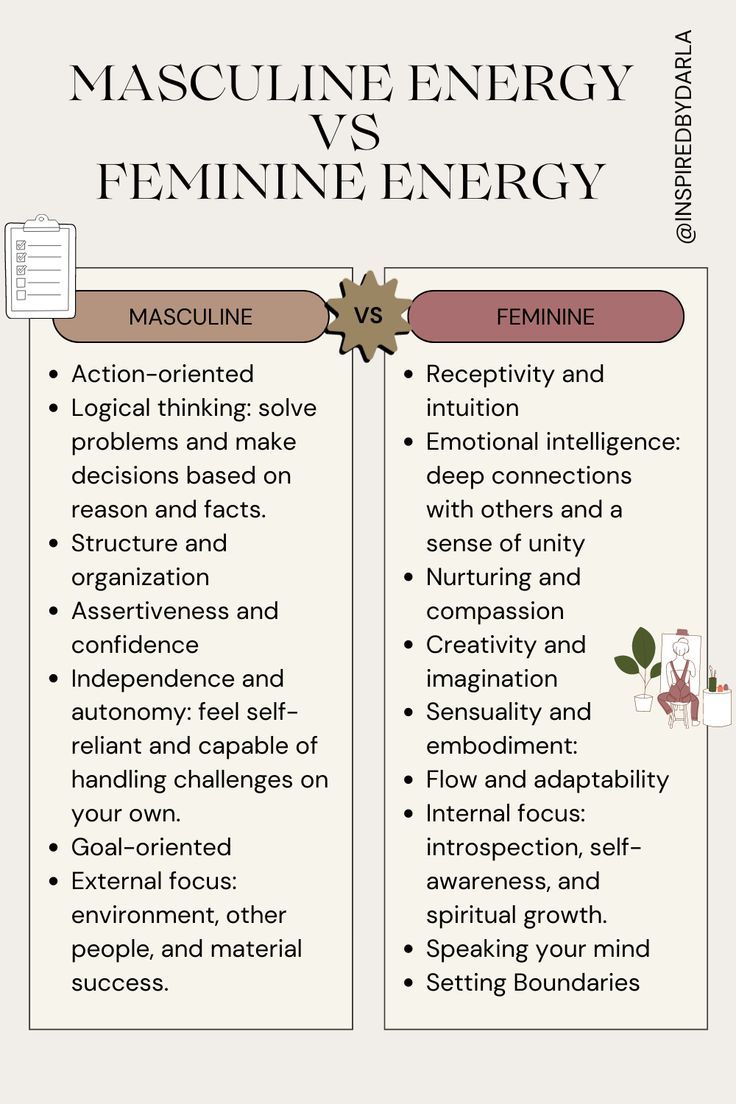
The juxtaposition of Sun and Moon energies illustrates the perennial struggle between the outward-facing, assertive masculine energy of the Sun and the inward, receptive feminine energy of the Moon. This cosmic dance invites individuals to explore how these energies influence not just romantic relationships but also various facets of life, including friendship, family connections, and professional partnerships. In this context, understanding the implications of the Sun opposite Moon synastry becomes paramount in fostering a harmonious existence.
To delve into the intricacies of this synastry aspect, one must first recognize the fundamental traits attributed to both the Sun and Moon in astrology. The Sun, as the central luminary, symbolizes strength, purpose, and vitality. It represents the animating force that drives individuals toward goals and aspirations, embodying a sense of identity that is uniquely personal. Conversely, the Moon reflects the subconscious mind—our emotions, instincts, and the nurturing qualities we exhibit. It governs how we respond to our surroundings on an emotional level, shaping our reactions to love, fear, and vulnerability.
When these two luminaries are in opposition in a synastry chart, the divergent energies can lead to a palpable tension that manifests in various ways within the relationship. Often, individuals may find themselves embracing opposing traits: one partner may exude confidence and decisiveness, while the other may embody sensitivity and receptivity. This can create a push-pull dynamic that, if left unrefined, might culminate in misunderstandings and emotional volatility.
However, the potential for growth presented by this aspect is extraordinary. Embracing the opposing natures of the Sun and Moon allows partners to learn from one another. The Sun’s drive can inspire the Moon to assert its voice and embrace its desires, fostering empowerment in the process. Conversely, the Moon’s intuition can soften the Sun’s sometimes overbearing nature, inviting moments of reflection and emotional intelligence. To truly balance these energies necessitates an intentional commitment to fostering understanding and compassion between partners.
An essential step in this journey is cultivating self-awareness. Each partner must recognize their innate tendencies and how these influence their actions within the relationship. For instance, a partner with a dominant Sun may engage boldly with the world, potentially overlooking subtler nuances that require emotional sensitivity. In contrast, a partner deeply attuned to their Moon may react impulsively to emotions without assessing the larger narrative. Recognizing these patterns is the first step toward achieving balance.
Moreover, communication plays a crucial role in navigating this astrological dynamic. Open dialogue provides partners with the opportunity to articulate their needs and emotions, allowing for greater alignment with each other. Utilizing ‘I’ statements can minimize defensiveness. For instance, expressing feelings as “I feel overlooked when plans change” rather than “You always change our plans” steers conversations toward mutual understanding rather than blame. Such mindful communication allows partners to embrace their differences while forging a shared narrative that incorporates both energies.
Furthermore, creating equilibrium extends beyond interaction—it also encompasses individual practices that encourage internal balance. Engaging in activities that resonate with the respective qualities of the Sun and Moon can be transformative. For example, the Sun’s vibrant energy finds fulfillment in assertive pursuits like leadership or public speaking, while the Moon thrives in nurturing environments, such as creative expression or introspective rituals. By honoring these attributes, partners reinforce their individual strengths, which in turn enriches the relationship as a whole.
Delving into the spiritual aspects of this synastry interplay unveils additional layers of depth. Exploring the archetypal energies attributed to the Sun and Moon, such as the masculine warrior and the feminine nurturer, allows individuals to connect to the larger cosmic narratives. By recognizing that these archetypes exist within each person, there is an invitation to embrace both aspects of oneself. This internal wholeness enriches not only personal identity but also relational dynamics, as partners can offer each other the understanding and support needed to thrive individually and collectively.
In conclusion, the Sun opposite Moon synastry is a powerful testament to the journey of balancing masculine and feminine energy. While the juxtaposition of these celestial bodies may create tension, it also offers infinite potential for growth and transformation. By fostering self-awareness, practicing open communication, and embracing each other’s unique strengths, individuals can cultivate a partnership that harmonizes these dynamic energies. Understanding that this celestial opposition is an opportunity for learning rather than merely a source of conflict enables deeper connections infused with empathy and appreciation. In this cosmic dance, one finds that balance is not solely an endpoint; it is an ongoing journey, rich with discoveries waiting to unfold.