In the labyrinth of human relationships, the intricate dance of celestial bodies often reveals profound insights into our emotional landscapes. As we navigate the complex terrain of love and connection, one facet of astrological compatibility that frequently garners attention is Venus square Moon synastry. The dynamics between these two planets—representing love and emotions, respectively—can evoke vivid expectations for the future, while simultaneously foreshadowing potential challenges. In this exploration, we delve into the implications of this aspect and how it can shape the interpersonal experiences of those involved.
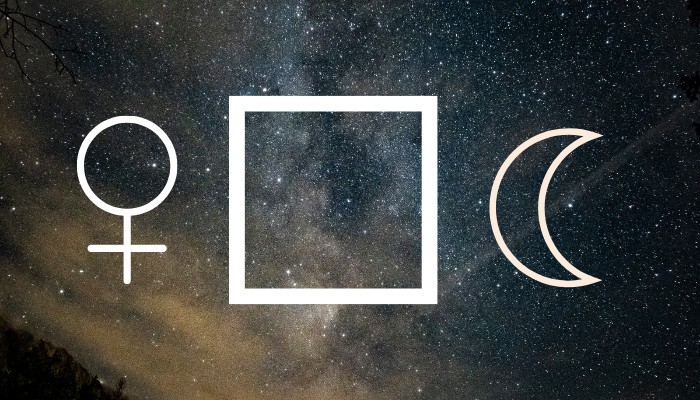
To comprehend the essence of Venus square Moon synastry, we must first unravel the significance of Venus and the Moon in astrological discourse. Venus, the planet of love, beauty, and harmony, governs our affections, desires, and aesthetics. It is the embodiment of romantic ideals, the allure of attraction, and the passion that binds us to one another. In contrast, the Moon symbolizes our emotional core, representing our inner worlds, intuition, and instinctual responses. It governs the way we feel, nurture, and connect on a deeply personal level.
When Venus confronts the Moon in a square aspect, a tension arises. This angular relationship is characterized by a 90-degree separation, signifying conflict, dissonance, and unresolved issues. Yet, within this friction lies an opportunity for growth and transformation. The individuals involved may find their visions of love and emotional expression are at odds, creating a fertile ground for misunderstanding, yet also for deeper understanding if navigated mindfully.
A predominant expectation that arises in a Venus square Moon relationship is the challenge of reconciling disparate emotional needs. For instance, one partner may be more inclined toward expressing affection through grand gestures and romantic experiences, while the other might prioritize emotional security and nurturing. This divergence can lead to feelings of neglect or misunderstanding. The person influenced by Venus may yearn for openness and expressiveness, feeling stifled by the Moon’s sometimes guarded nature. Conversely, the lunar individual may feel overwhelmed by the Venusian need for validation and attention.
Moreover, the square aspect often invites baggage from past experiences to resurface. Emotional triggers, stemming from previous relationships or unresolved inner conflicts, can color the perceptions of love within the dynamic. These latent wounds may lead to projections and emotional volatility, complicating the simple act of connecting. The individuals involved must learn to navigate this minefield of emotional responses, cultivating the ability to communicate authentically about their needs and desires.
Amidst the challenges, there exists an exhilarating potential for growth. The friction inherent in a Venus square Moon relationship can spur partners to attain greater emotional awareness and resilience. For example, through honest discussions about their differing expectations, they can establish a foundation of understanding that allows for mutual compromise. By recognizing and respecting each other’s emotional languages, partners can foster a dynamic where both feel valued and heard.
Furthermore, this synastry aspect encourages the exploration of love’s multifaceted nature. It serves as a reminder that relationships are seldom linear and that love often involves navigating complexities and contradictions. Embracing this truth can lead to deeper emotional intimacy as both partners learn to appreciate the contrasts in their expressions of love.
In terms of manifestations, individuals with a Venus square Moon aspect may experience fluctuations in their emotional experiences. At times, their affection for one another may feel overwhelming, filled with passion and connection. At other moments, feelings of alienation and discontent may overshadow their interactions. This ebb and flow can contribute to a rollercoaster of emotions, ultimately fostering a deeper understanding of the delicate balance between love and emotional fulfillment.
It is essential for both partners to cultivate emotional intelligence within the framework of this synastry aspect. Engaging in regular communication about feelings can assist in bridging the gap between Venusian desires and lunar needs. Factors such as active listening, empathy, and accountability play pivotal roles in laying the groundwork for a more harmonious relationship. By addressing their triggers and fears, partners can dismantle the barriers that often arise from miscommunication.
The lessons inherent in Venus square Moon synastry promote self-reflection and personal growth. Each partner may find that the qualities they seek in a relationship mirror their internal struggles and insecurities. This phenomenon underscores the importance of understanding oneself before attempting to navigate the complexities of interdependence. A commitment to insight and healing can transform misunderstandings into opportunities for connection, fostering a deeper appreciation for love’s multifarious nature.
As both partners continue to unpack the layers of their emotional dynamics, the path toward reconciliation and understanding becomes clearer. It is here, in the tension, that transformation becomes possible. Through mutual willingness to confront and work through their differences, individuals can emerge from the intense interplay of Venus square Moon synastry with richer emotional insights and a more profound connection.
In conclusion, the relationship between Venus and the Moon is a compelling exploration of love’s complexities and emotional depths. Navigating the challenges posed by a square aspect requires courage, vulnerability, and open communication. As partners learn to balance their contrasting expectations and emotional needs, the experience can lead them toward a more profound understanding of each other and the very essence of their love. Embracing the discord may pave the way for enhanced intimacy and a shared vision of a harmonious future, turning conflict into collaboration in the quest for connection.