Imagine a warm, sunny day spent surrounded by playful puppies or kittens, their antics bringing unbridled joy to anyone lucky enough to witness them. Such moments not only uplift our spirits but also serve as a poignant reminder of the profound emotional connections between humans and animals. Yet, amidst this warmth, a curious question often arises: Can animals, like humans, experience genetic disorders, including Down syndrome? This inquiry leads us into the fascinating yet complex realm of genetics and the potential for chromosomal anomalies in the animal kingdom.
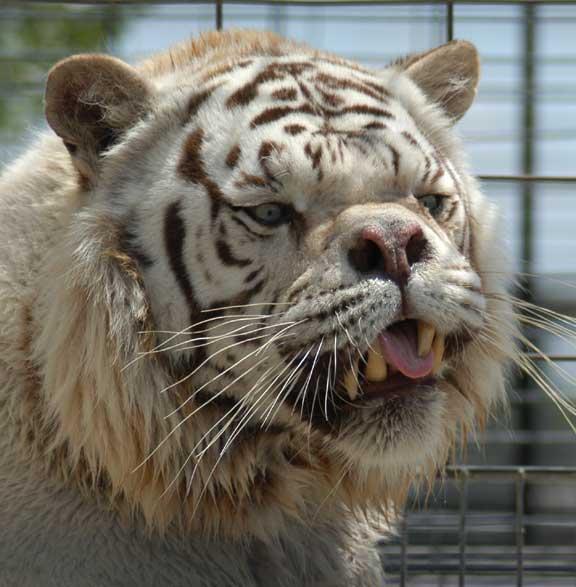
To commence our exploration, it is crucial to understand what Down syndrome is in humans. Medically termed Trisomy 21, Down syndrome occurs due to an extra copy of chromosome 21, leading to a range of physical and intellectual challenges. Its symptoms are widely documented, resulting in a significant body of research aimed at understanding its pathology. But does this phenomenon find a parallel in the animal kingdom? The brief answer is nuanced: while animals can exhibit physical and behavioral traits reminiscent of Down syndrome, true Down syndrome—characterized by an extra chromosome—has not been definitively documented in non-human species.
Studies on genetic disorders in animals can be somewhat enigmatic, primarily owing to the complexities of animal genetics compared to human genetics. Each species possesses a unique chromosomal structure and an assortment of genes that orchestrate both the physical appearance and behaviors of the organism. For instance, dogs, cats, and even more exotic animals like reptiles have distinct genetic compositions that govern their survival and interaction with their environments.
However, instances of congenital conditions that mimic some features of Down syndrome have been observed across various species. For instance, certain breeds of dogs are predisposed to developmental disorders, and it is not uncommon for veterinarians to encounter animals displaying characteristics like delayed growth or specific physical abnormalities that could parallel the outward traits of Down syndrome. These disorders, while not identical to their human counterparts, highlight the intricate tapestry of animal genetics, revealing that they too can be susceptible to anomalies that could influence their developments.
The scientific community has long speculated about the presence of genetic disorders in animals. A fascinating case is that of cats. Feline geneticists have identified conditions in cats that share some characteristics with Down syndrome. For example, a cat may suffer from a condition known as “feline cerebellar hypoplasia,” which mirrors some cognitive and motor coordination challenges. Unlike Down syndrome, this disorder results from a developmental defect where the cerebellum—the part of the brain responsible for coordination and balance—does not fully develop. Similar phenomena can be found in other species too, such as horses, who can exhibit behavioral abnormalities stemming from neurological issues that may share some superficial similarities to Down syndrome.
As we wade deeper into the scientific waters, it becomes evident that genetic predispositions vary greatly among species. Canine breeds, for example, have been comprehensively studied regarding hereditary health issues, with some breeds exhibiting higher susceptibility to disorders due to inbreeding practices aimed at enhancing certain physical traits. Consequently, while true Down syndrome is absent in animals, the potential for diverse genetic defects exists, manifesting in myriad ways throughout the animal kingdom.
Moreover, it is essential to acknowledge the role of environmental factors in the expression of genetic disorders. Like humans, animals live within a complex interplay of environmental influences, which can exacerbate or mitigate genetic predispositions. Stress, nutrition, and overall living conditions directly impact an animal’s health and development. This interaction between genetic and environmental elements cements the necessity for an holistic approach to animal health that considers not just genetics, but a broad range of factors that contribute to an animal’s overall well-being.
Interestingly, advancements in veterinary medicine and genetics bring new perspectives to our understanding of animal conditions. Genetic testing technologies, once exclusively human-focused, are now being employed in veterinary medicine to scrutinize the genetic makeup of domestic animals. This burgeoning field aims to identify predispositions to certain genetic disorders, enhancing early detection and management, which could theoretically include disorders similar to Down syndrome. With such strategies, veterinary professionals can ameliorate the effects of genetic conditions, ensuring a better quality of life for affected animals.
While the notion of animals possessing Down syndrome ignites discussions about compassion and empathy in the animal world, it simultaneously urges society to broaden its understanding of genetic disorders beyond human boundaries. This illumination accentuates the necessity for continual research and an interdisciplinary approach that spans genetics, veterinary medicine, and animal welfare. Encounters with genetic abnormalities in animals may evoke concern, but they also offer a unique opportunity to connect with the larger narrative of genetic diversity and its implications for both human and animal health.
In conclusion, the question, “Can animals have Down syndrome?” is more than a medical inquiry; it is a philosophical contemplation on the nature of life itself. It beckons us to consider the myriad ways in which genetic intricacies shape the existence of not just humans but all sentient beings. As a society burgeons into further understanding the enigma of genetics, we must remain vigilant partners in caring for the health of all creatures, appreciating the uniqueness of each individual while advocating for their well-being. And perhaps, in caring for others—human or animal—we might discover a simple, universal truth: our capacity for kindness knows no bounds.