In the grand tapestry of life on Earth, sleep serves as a vital thread, intricately woven into the fabric of every creature’s existence. While humans often relish a good night’s sleep, the animal kingdom boasts members whose slumber habits are enticingly extreme. This article invites you on a fascinating expedition through the world of the sleepiest creatures, presenting an opportunity to engage your mind in a mood-boosting experience that celebrates the diverse rhythms of life. From ancient marine mammals to whimsical marsupials, let’s explore which animal truly claims the title of the sleepiest.
When we consider the sleep habits of animals, the common wisdom leans toward expressing surprise at those who display slothful tendencies. However, slumber is not merely a luxury; it is essential for cognitive functioning, metabolic regulation, and overall well-being. As such, certain species have evolved to consume vast amounts of time in slumber, resulting in a fascinating variety of waking and resting cycles that can leave us in awe.
The Unabashed Sloth
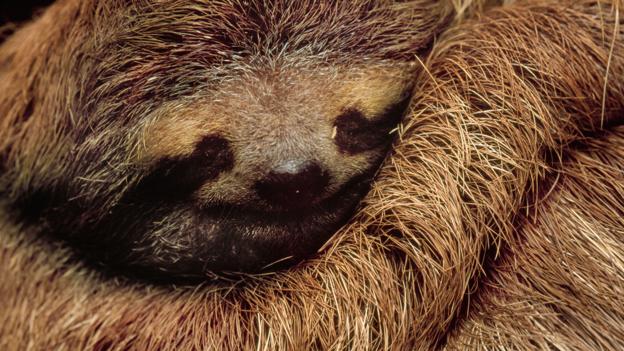
The aptly named three-toed sloth may well be the poster child for an indulgent lifestyle marked by leisure. These arboreal creatures spend an astonishing 15 to 20 hours a day nestled in the canopies of Central and South American forests. Their lethargic pace is attributed to their slow metabolism and dietary preferences, primarily consisting of leaves which are not very calorie-dense. Despite their languid nature, sloths are equipped with surprising capabilities, including an impressive swimming skill and the ability to rotate their heads almost 270 degrees. Paradoxically, their seemingly sleepy demeanor masks a unique physiological adaptation that enables them to thrive in an environment where energy conservation is paramount.
The Sleepy Sea Lion
While the three-toed sloth reigns supreme in the forest, the California sea lion casts a different kind of spell in the azure waters of the Pacific Ocean. These charismatic marine mammals exhibit a remarkable sleep pattern known as unihemispheric slow-wave sleep. This means that half of their brain remains alert while the other half rests. This evolutionary mechanism is not only an ingenious defense strategy against predators, but also allows sea lions to maintain a presence of mind while coming up for air or basking on sunlit rocks. This creates a dichotomy: one half of their brain provides vigilance while the other indulges in much-needed rest. Extending their sleep periods beyond 12 hours a day, sea lions impressively demonstrate the harmony between rejuvenation and survival.
Overindulgent Koala
Australia’s koala bears also partake in a profound commitment to naptimes. These endearing marsupials invest around 20 hours a day in slumber, claiming one of the quirkiest sleep schedules in the animal kingdom. Their exclusive diet of eucalyptus leaves, which contains toxic compounds and little nutrition, necessitates a prolonged period of inactivity to digest these fibrous morsels. Koalas’ unique adaptation to long sleep sessions allows them to conserve energy while fortifying their health against the environmental rigors of their habitats. However, the plight of the koala does not end here, as habitat loss poses a significant threat to their survival, urging humans to take action for conservation efforts.
Surprisingly Sluggish Bats
Bats, the only mammals capable of true flight, also partake in remarkable sleeping rituals. Certain bat species, such as the little brown bat, can sleep up to 20 hours daily. Their nocturnal lifestyle combined with the need to roost in secure environments leads to lengthy periods of dormancy. Living in colonies, these bats exhibit complex social interactions influenced by sleep schedules. During their hibernation phase, which can last several months, bats exhibit a fascinating phenomenon known as torpor, wherein their body temperature and metabolic rates significantly drop. This adaptive mechanism allows them to conserve energy and navigate periods of food scarcity.
Droll Dolphins
Delving into the marine realm further, dolphins present an intriguing mix of wakefulness and restfulness. Members of the cetacean family, dolphins exhibit a unique mode of slumber called unihemispheric sleep—similar to sea lions. They require a mere 8 hours of sleep, but it is fragmented, typically occurring in short bouts throughout the day and night. As intelligent and social creatures, dolphins must remain vigilant, recognizing the necessity of awareness even during periods of rest. This complicated relationship between sleep and vigilance speaks to their evolved intelligence and adaptability to their environment, adding yet another dimension to their enchanting lives.
The Resilient Tortoise
Last but not least, we traverse the land to uncover the tortoise. Known for their slow, deliberate movements, these reptiles can achieve impressive sleep durations, often surpassing 16 hours a day. Their robust shells provide them ample protection from predators while they indulge in lengthy bouts of hibernation during colder months. Tortoises demonstrate a remarkable resilience, seamlessly navigating the ebb and flow of seasons through strategic patterns of slumber.
To conclude, the animal kingdom offers an array of species that boast fascinating sleep habits, each an expression of the profound adaptability of life on Earth. From the sloth’s languid days to the vigilant repose of the dolphin, these sleepiest creatures remind us that slumber is as diverse as the ecosystems they inhabit. By examining these remarkable lifestyles, we are invited to contemplate not only the necessity of rest in nurturing ourselves, but also the importance of conserving the unique habitats that enable these enchanting species to thrive. So, the next time you find yourself enveloped in a serene dream, remember that rest is not just a human indulgence; it is a vital part of the seamless orchestration of life across our beautiful planet.