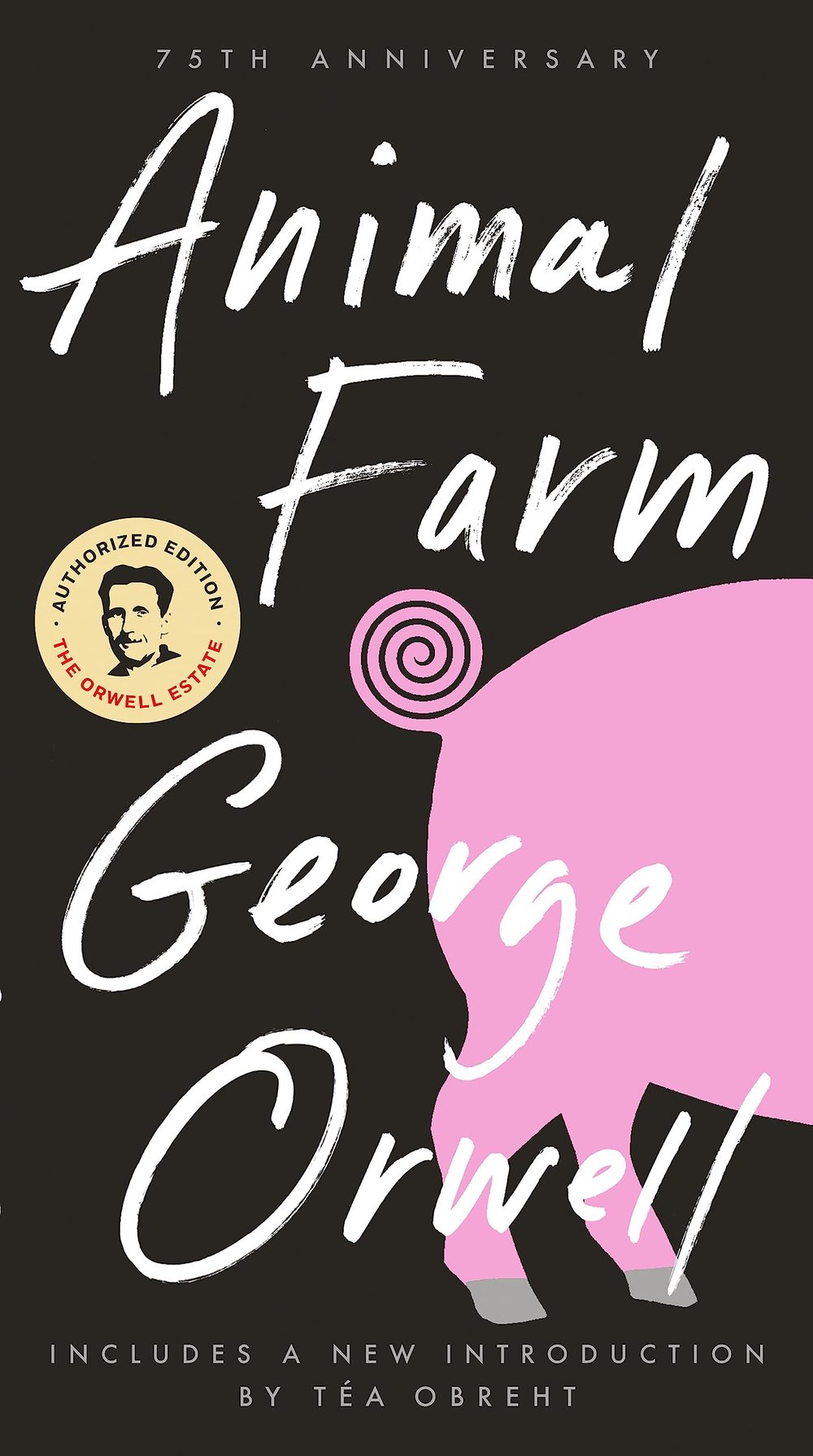
George Orwell’s “Animal Farm” often beckons to those who resonate with its poignant critique of totalitarianism and the malleable nature of power. Its allegorical tale, rich with symbolism, unveils the pathos of political disillusionment through a seemingly simple narrative of farm animals. Yet, this seemingly innocuous children’s fable has encountered significant censorship, provoking inquiries into its controversial history and the reasons behind its prohibition in various contexts.
“Animal Farm” was initially published in 1945, shortly after the conclusion of World War II, a time ripe for political re-examination. Orwell’s narrative mirrors the rise and fall of the Soviet Union, portraying the betrayal of the fundamental principles of socialism. At its core, the story encapsulates the essence of revolution—a fervent aspiration for equality, which often devolves into a tyrannical regime. The allegory portrays how power can corrupt and lead to the subjugation of individuals under the guise of collective benefit.
One critical reason for the banning of “Animal Farm” lies within its unflinching criticism of totalitarian regimes, particularly Stalinist Russia. In various countries, particularly those with authoritarian governments, the book was viewed as a direct threat. The portrayal of Napoleon, a pig representing Joseph Stalin, and Snowball, symbolizing Leon Trotsky, illustrates a profound distrust of political leadership that not only critiques foundational ideologies but also challenges the legitimacy of existing powers. Regimes that thrived on the illusion of infallibility could not tolerate a narrative that so blatantly exposed the hypocrisy lurking beneath the surface of political dogma.
Specific instances of prohibition illustrate the trepidation that “Animal Farm” invokes among ruling authorities. In 1945, the book was banned in the Soviet Union, as it incited too much discontent among the populace and undermined the state’s carefully curated narrative. Similarly, during the Cold War, various educational institutions in the United States faced dilemmas over the inclusion of the text in curricula, oscillating between acknowledgement of its literary merit and fear of political repercussions. To those in power, the book posed a formidable dilemma: even as a fictional account, its ramifications in inspiring dissent and encouraging critical thought were alarming.
Moreover, the undercurrents of censorship often arise from socio-political unrest, with various educational and civic establishments grappling with the nuances of free expression versus the ramifications of opinions that could incite rebellion. In countries with repressive regimes, literature that critiques authority is frequently viewed as a dangerous catalyst for revolution. In this context, “Animal Farm” acts as a beacon for those yearning for emancipation from oppressive ideologies, prompting fears of unrest among the powers that be. As such, the narrative’s suppression often signifies a broader battle between the forces of enlightenment and the constraints of authoritarianism.
While the political motivations behind the censorship of “Animal Farm” are largely transparent, the literary merit of Orwell’s work also plays a significant role in the ongoing relevance of the text. Its simple structure disguises profound philosophical inquiries that resonate on multiple levels, appealing to both children and adults alike. This malleability makes it a prime target for varying interpretations—some viewing it as an insightful allegory, while others perceive it as a blatant attack on specific regimes. Such interpretations often depend on the prevailing local political climate, further complicating its reception.
Furthermore, the contentiousness surrounding “Animal Farm” is not confined to historical incidences. Even in contemporary contexts, its inclusion in educational syllabi can ignite debates about intellectual freedom, the validity of dissenting opinions, and the ethical responsibilities of educators. Discussions about the appropriateness of exposing young minds to potentially subversive materials reflect long-standing tensions between tradition and progress. Many educators advocate for the necessity of such texts, arguing that engagement with controversial literature fosters critical thinking, enabling students to cultivate informed opinions in an increasingly polarized world.
Additionally, “Animal Farm” has become emblematic of discussions surrounding political discourse, manipulation, and propaganda—topics that remain pertinent today. As people grapple with misinformation and the challenges posed by digital landscapes, the allegories woven within Orwell’s work serve as cautionary tales about unchecked power and the fragility of truth. This enduring relevance renders the text a valuable resource for exploring the intricacies of political realism and ethics, further motivating its inclusion in modern literary discussions.
In summation, the controversial history of “Animal Farm” is a tapestry interwoven with threads of political suppression, literary merit, and cultural discourse. Its journey from an allegorical fable to a banned book encapsulates the perennial struggle between authority and individual expression. For those who identify with its underlying messages of freedom and integrity, “Animal Farm” stands as a societal mirror, reflecting the missteps of those who wield power and the vigilance required to ensure that history does not repeat itself. Ultimately, engaging with Orwell’s narrative not only celebrates literary artistry but also invigorates critical conversations about governance, ethics, and the relentless pursuit of justice.