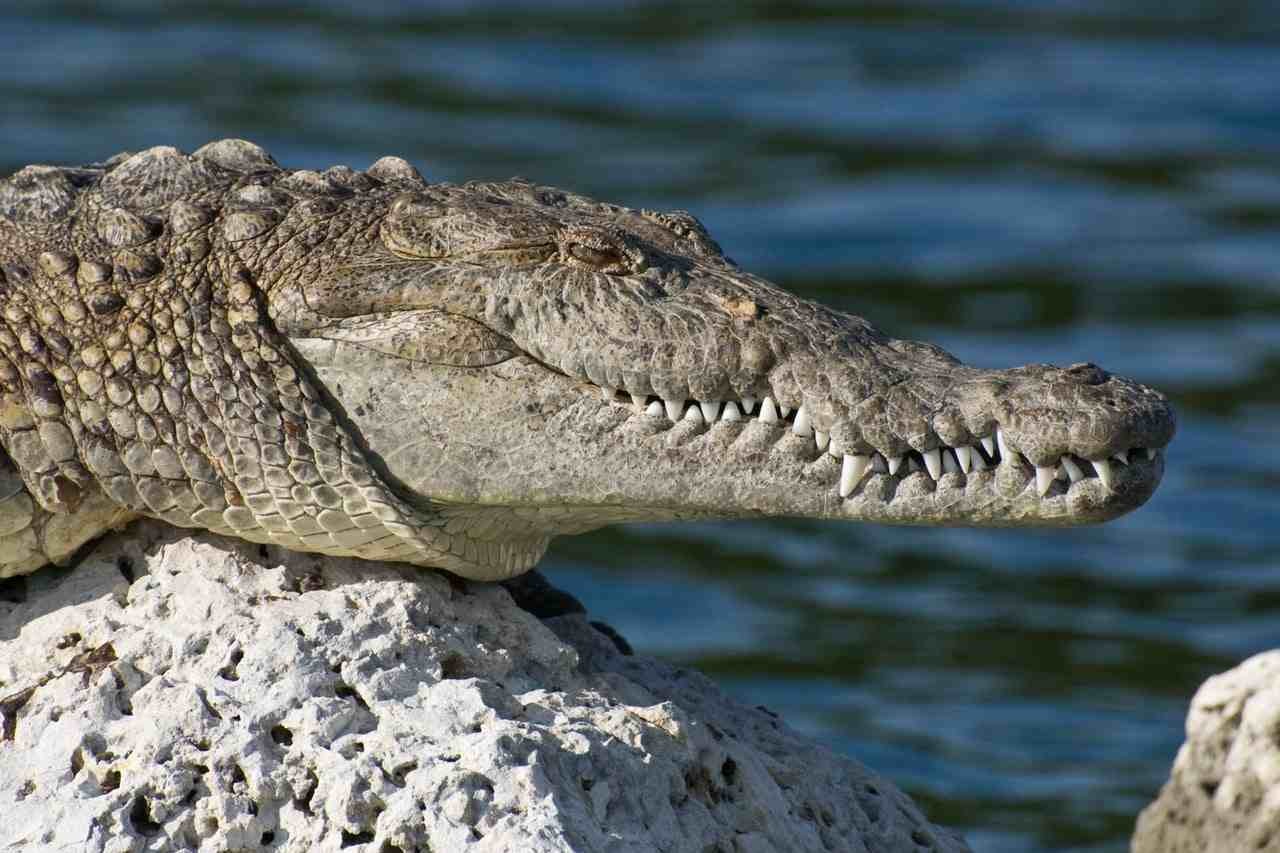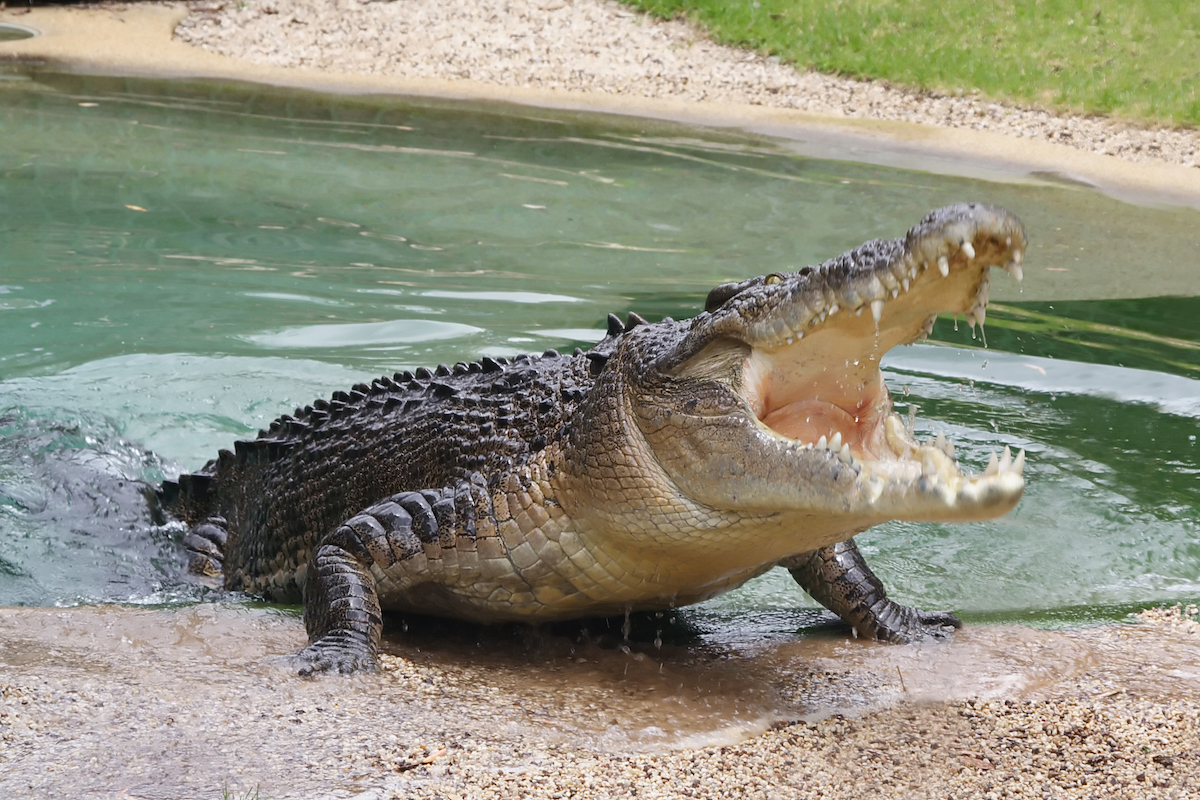
Imagine standing at a riverbank, the sun glistening on the water as you watch an enormous crocodilian basking nearby. At that very moment, a thought flickers through your mind—what if that creature decided to snap its jaw? The sheer power in its bite could easily endanger any living thing that strayed too close. This tantalizing concept leads us into the realm of nature’s most formidable forces: the animals with the strongest bite forces. Their capabilities not only highlight the wonders of evolution but also underscore the raw might of the animal kingdom.
When assessing the ferocity of an animal’s bite, one typically considers the measurement in pounds per square inch (psi). This unit illustrates the pressure exerted by the teeth on the prey or object, serving as an excellent indicator of an animal’s predatory capabilities. Let us traverse the wild and encounter some of the frontrunners in this unyielding contest.
The behemoth known as the saltwater crocodile, Crocodylus porosus, reigns supreme in the hierarchy of bite force. This formidable reptile boasts a staggering bite strength measured at over 3,700 psi. Its heavily muscular jaws are equipped with 64 robust teeth, each designed to grip and crush. Saltwater crocodiles are apex predators, preying on fish, birds, and even larger mammals, demonstrating their relentless capability to dominate their ecosystems. Their powerful jaws, capable of exerting enough pressure to shatter bones, allow these reptiles to assert their dominance in both aquatic and terrestrial environments.
Not far behind in the rankings is the great white shark, Carcharodon carcharias. This oceanic predator has a bite force estimated at around 1,800 psi. Sharks utilize serrated teeth like saw blades, capable of slicing through flesh with remarkable efficiency. Though their bite force might not rival that of the saltwater crocodile, their hunting techniques and adaptability make them one of the most fearsome creatures in the oceanic expanse. The great white shark often employs a strategy of ambush, utilizing its immense power to incapacitate prey such as seals and large fish.
Shifting from water to land, we encounter the mighty jaguar, Panthera onca, renowned for its impressive bite force of approximately 1,500 psi. Unlike most felids, jaguars have evolved to deliver powerful bites that allow them to pierce the shells of turtles and the thick hides of caimans. This unique adaptation facilitates their role as opportunistic hunters, embodying the essence of finesse and strength. With this potent bite force, jaguars exemplify the intricate balance of power and agility, asserting their status as dominant predators in their habitats.
Next on this list is the American alligator,
Among primates, the gorilla, Gorilla gorilla, emerges as an unexpected contender with a bite force of about 1,300 psi. While their primary diet consists of fruits and vegetation, these magnificent creatures possess the capability to exert significant power when necessary. Their jaw musculature supports a robust bite, which enables them to process even the toughest plant material. This attribute serves as a testament to their evolutionary adaptability, allowing them to thrive in their natural surroundings.
Finally, we cannot overlook the hyena, often associated with the scavenging lifestyle. The spotted hyena, Crocuta crocuta, boasts a bite force reaching upwards of 1,100 psi. Characterized by a unique bone-crushing ability, hyenas are equipped with powerful jaws that allow them to consume carrion, bones, and even hooves of larger animals. Their ability to extract nutrients from non-traditional food sources underlines their resourcefulness and adaptability, showcasing the broader spectrum of life’s intricacies.
While these animals exemplify extraordinary biting capabilities, it is essential to recognize that bite force is but one facet of their evolutionary ingenuity. Each creature has honed its abilities in accordance with its ecological niche, building the perfect predator or survivor suited for its environment. Observing such remarkable adaptations augments our appreciation for the natural world, providing insight into the intricate tapestry of life.
Understanding the dynamics of bite force not only captivates our imagination but also invokes a sense of wonder about the intricate web of life. From the rivers and oceans to dense jungles and savannas, each of these animals plays a vital role in maintaining the ecological balance. Their evolutionary trajectories showcase the profound interconnections that define the animal kingdom, allowing us an opportunity for reflection and enlightenment.
In conclusion, animals with powerful bite forces serve as splendid examples of nature’s prowess. They embody the relentless spirit of survival and adaptation, capturing our curiosity and fascination. The myriad of strategies that these apex predators employ, coupled with their awe-inspiring physical abilities, invites us to explore the boundaries of the natural world with wonder and respect. Witnessing these animals in their rightful places inspires us to appreciate the delicate balance that sustains life on our planet, reminding us to be guardians of their habitats and stewards of the environment.