In an increasingly interconnected world, where the complexities of ecological systems are becoming ever more apparent, the question of how many animal species exist on our planet becomes a matter of considerable significance. While many might instinctively default to the figure of approximately 8.7 million species often cited in popular discussions, such estimations demand a closer examination to uncover the nuances that envelop this seemingly straightforward query. The truth, as it emerges, is far more intricate, suffused with layers of scientific endeavor, biodiversity crises, and unprecedented discovery.
To embark on an exploration of the latest estimates regarding global animal species, it is imperative to understand the various methodologies that researchers deploy. The estimation of global biodiversity is no simple feat, as it involves a convoluted interplay of numerous factors, including habitat diversity, geographic distribution, and the very essence of what constitutes a species. Recent studies, leveraging advanced genetic techniques and extensive field surveys, suggest numbers that stretch far beyond the conventional estimates, advocating a profound re-evaluation of our comprehension of life on Earth.
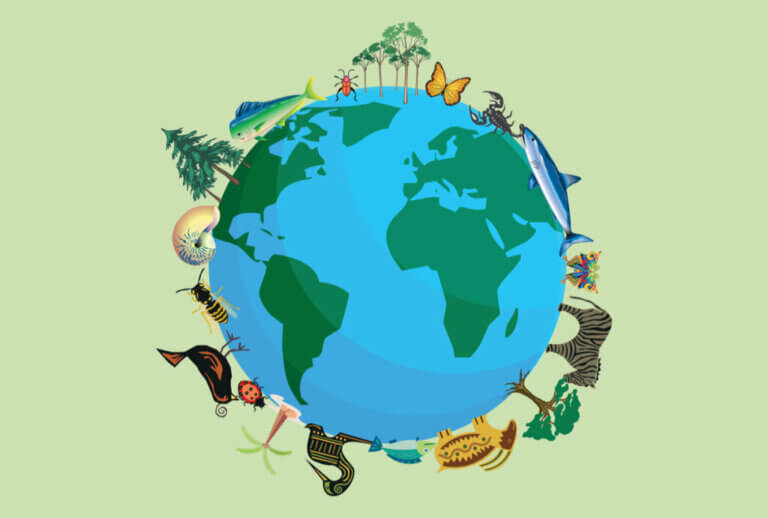
According to a comprehensive assessment published by scientists in 2011, the number of eukaryotic species, which encompass animals, plants, fungi, and protists, lies closer to 8.7 million, with approximately 80% yet to be formally described. However, it is essential to disaggregate this figure to reveal insights pertinent to the animal kingdom specifically. Of the estimated 8.7 million eukaryotes, over 80% are presumed to be undiscovered animals, predominantly microbes and invertebrates. This points to an astonishing realm of unexplored species, harboring ecosystems’ intricacies that may hold solutions to some of humanity’s most pressing challenges.
The animal world, comprising intricate taxonomic hierarchies and a multitude of habitats, presents an estimated 5.5 to 6.5 million species, according to recent work by the United Nations Environmental Programme. This estimation spans a richly diverse spectrum, from majestic mammals to elusive insects and diminutive worms. As we delve deeper into the specifics of these categories, astonishing disparities and inquiries arise.
Globally, insects emerge as the most prolific of the species groups, with estimates suggesting their numbers could be anywhere from 2 to 30 million species. This staggering range underscores the uncertainty that continues to envelop entomology, the study of insects, which remains one of the most diverse yet under-explored dimensions of biodiversity. These tiny creatures facilitate vital ecological functions, from pollination to decomposition, acting as linchpins within their ecosystems. As scientists endeavor to catalogue these species, they invariably encounter challenges ranging from habitat destruction to climate change, which threaten both the insects themselves and their essential roles.
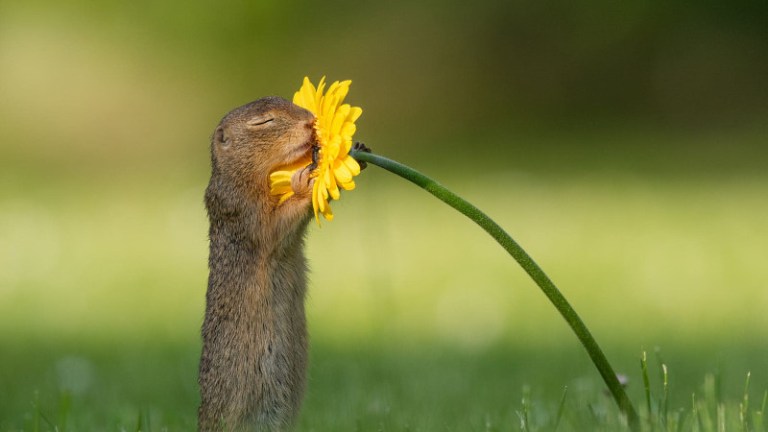
Mammals, on the other hand, exhibit a much more conservative estimate, with about 5,500 recognized species worldwide. This relatively small number belies their ecological importance and the profound implications of their endangerment. Habitat loss, poaching, and climate change have precipitated drastic declines in several mammal populations, culminating in the extinction of nearly 200 species since the 1500s. The plight of these larger animals often garners greater public attention, serving as critical bellwethers for the health of entire ecosystems.
Marine life is another compelling aspect of the discussion surrounding species estimates. Covering over 70% of Earth’s surface, oceanic ecosystems are replete with astounding diversity; however, they remain vastly unexplored. The estimated number of marine species ranges from 200,000 to possibly over 2 million when factoring in undiscovered organisms. Many marine species, particularly invertebrates, remain enigmatic, showcasing evolutionary adaptations that challenge our understanding of life. The complexities of the ocean underscore the vital need for continued research and conservation efforts— as these systems are not only a source of biodiversity but a significant resource for human life.
In the realm of conservation, the very act of counting species takes on implications far beyond mere numbers. Global biodiversity is under threat, and the urgent need for conservation strategies necessitates a clearer understanding of what species exist and where. The International Union for Conservation of Nature (IUCN) has been instrumental in outlining the current status of species, but even these assessments fall short in providing a holistic picture of global biodiversity. The extinction crisis has prompted scientists to call for an increase in biodiversity hotspots identification—strategically important areas that boast exceptional levels of plant and animal diversity but are under threat from human activities.
Equally vital in this conversation is the impact of climate change. Habitats are shifting, and species are being forced to adapt—or face extinction. The ongoing loss of biodiversity not only drives species to the brink but also destabilizes the intricate web of ecological interactions essential for life. Understanding the number of species we have—and those we stand to lose—has profound implications for ecosystems’ resilience and our collective survival.
In conclusion, while estimates suggest a daunting variety of life forms on our planet—potentially stretching into millions—the truth remains that each species represents a vital thread in the intricate tapestry of our ecosystem. The emerging narrative emphasizes not just the awe-inspiring statistics but an urgent call to action. Each undiscovered species encapsulates unfathomable potential: from breakthroughs in medicine to the preservation of ecological balance. Thus, the answer to the question of how many animal species exist is not merely a quantifiable pursuit; it embodies our responsibility to steward the planet and safeguard its myriad forms of life for generations to come.