Imagine being pregnant for as long as two years! It’s a peculiar thought, isn’t it? Most mammals carry their young for a matter of months, but some species dawdle in the prenatal phase far longer than you might expect. Are you ready to discover which animal holds the title for the longest gestation period in the animal kingdom? Let’s embark on this enthralling journey into the world of gestation.
Gestation is the period during which an embryo develops inside the womb of a female animal. This duration is influenced by numerous factors, including the animal’s size, species, and environmental conditions. While many mammals and creatures possess relatively brief gestation spans, a few remarkable species genuinely defy our expectations with their extended pregnancies. So, buckle up as we explore the wonders of nature.
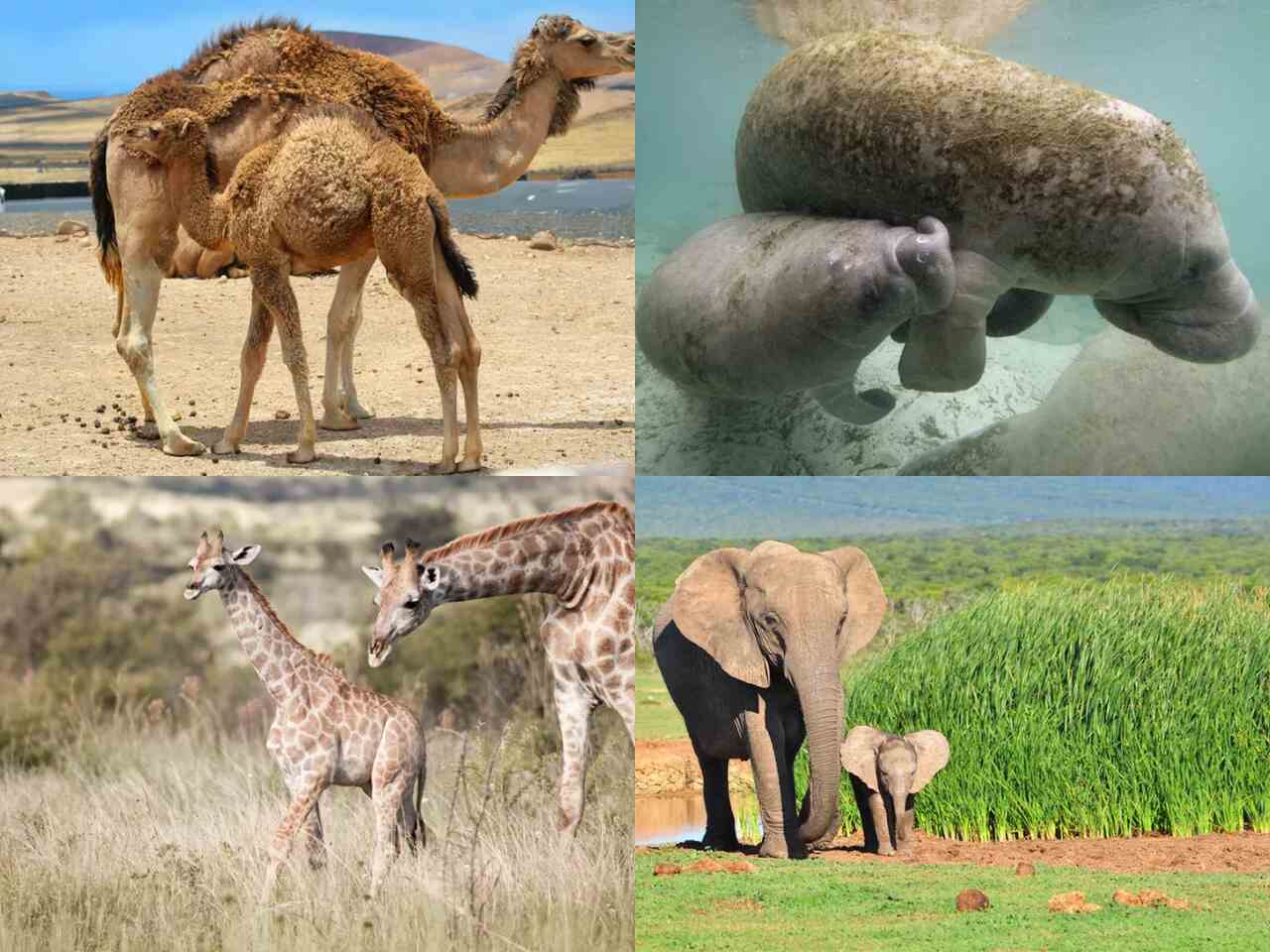
First on our list is the elephant, specifically the African elephant (Loxodonta africana). Known for their majestic stature and profound intelligence, African elephants undergo a gestation period of approximately 22 months, making them the champions of gestation among terrestrial mammals. This extraordinary duration allows the enormous fetus to develop the necessary physical attributes to thrive in their complex social structures. The slow-paced development also highlights the heightened care and nurturing instincts elephants exhibit, with mothers surrounding their young with love and protection. This extended gestation not only results in robust calves but also reinforces the bond within their matriarchal society.
Following the elephant in this gestation marathon is the sperm whale (Physeter macrocephalus). These colossal marine mammals boast a gestation period of around 16 months. Females give birth to a single calf, which can weigh as much as 1 ton and measure over 13 feet in length. To say that sperm whale calves are born large would be an understatement! The relatively prolonged gestation period in sperm whales is crucial for ensuring that the calf is developed adequately to survive in the ocean’s depths. This protracted gestation is complemented by the strong familial bonds formed within pods, ensuring that mothers receive support during and after the birthing process.
Next up is the bottlenose dolphin (Tursiops truncatus), with a gestation period of about 12 months. Bottlenose dolphins are renowned for their playful demeanor and high intelligence, which are traits that extend into their nurturing behaviors. The calves learn valuable survival skills from their mothers during the extended period before birth and in the months following. Social interactions within dolphin pods further enhance the learning experience for the calves, as they gain proficiency in communication and agility in their aquatic habitat.
Not to be outdone, the camel exhibits an impressive gestation period of approximately 12 to 14 months. Both the dromedary and Bactrian camels are equipped to thrive in arid environments, and their prolonged pregnancy ensures the development of a sturdy, resilient calf capable of navigating the unforgiving desert landscape. Camels are extraordinary beasts of burden, and the strength of their newborns is vital for their survival and the well-being of their human companions.
Now, let us delve into the fascinating world of reptiles. The green sea turtle (Chelonia mydas) has a unique reproductive strategy known as “lecithotrophy.” They take several months to incubate their eggs on land after a lengthy journey from the ocean. While not a true gestation period, the process offers a glimpse into how some creatures may adapt their reproductive strategies according to their environments. In the case of green sea turtles, their careful nesting is crucial to ensure the survival of their offspring in the treacherous world of predation both on land and in the water.
Switching gears to the world of marsupials, the kangaroo is noteworthy due to its unique reproductive cycle. After a notably short gestation of 30 to 36 days, the tiny joey is born prematurely and crawls into the mother’s pouch, where it continues to develop for several months. This apparatus offers a nurturing environment where the baby can mature at its own pace, demonstrating an alternative evolutionary approach to gestation.
As we can see, the spectrum of gestation periods across the animal kingdom is remarkably diverse. Each species exhibits unique adaptations that have evolved over millions of years to enhance the survivability of their offspring. The animal that holds the title for the longest gestation period, the African elephant, epitomizes the intricate balance between development and the demands of the wild. Watching this process unfold in nature reveals the wonders of life and the lengths to which species go to ensure the continuation of their kind.
In conclusion, gestation periods in the animal kingdom are not merely a reflection of biological habits; they showcase the innate strategies species employ in response to environmental challenges and social structures. Whether thrillingly elongated like that of the elephant or ingeniously curtailed like the kangaroo’s pouch system, these periods of development serve as a remarkable testament to evolution’s artistry. By reflecting on these fascinating adaptations, we gain insight into the vast tapestry of life and the ongoing story of survival on our planet.