When it comes to matters of public safety and animal welfare, the role of animal control officers is often misunderstood. Many individuals are familiar with law enforcement’s capacity to pull over vehicles and enforce traffic laws, but what about the authority of animal control? Can they exercise similar powers? Understanding the nuances of animal control’s authority is essential for both pet owners and the community at large. This article delves into the intricacies of animal control’s jurisdiction and the extent of their powers, bringing clarity to what you need to know.
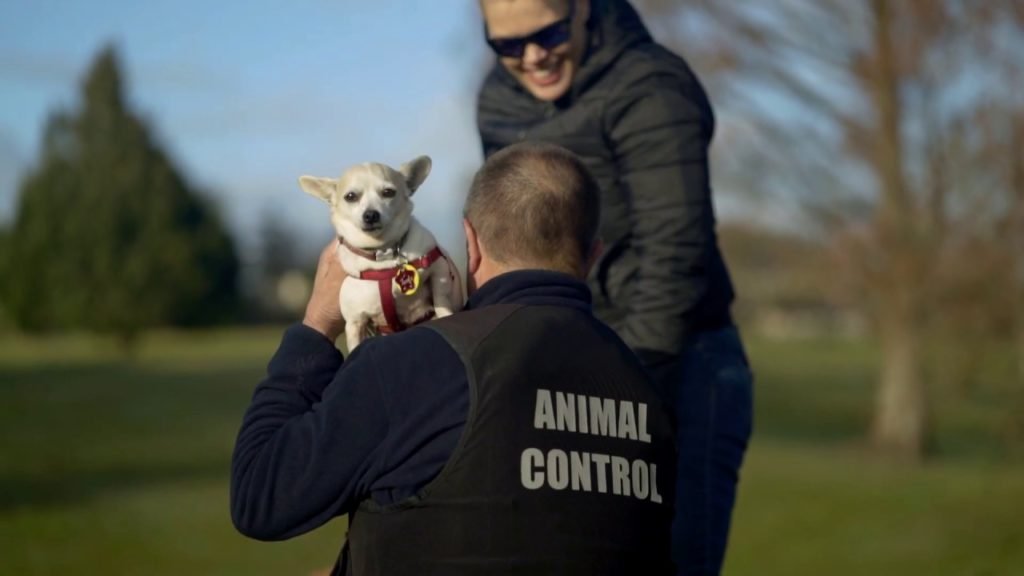
Animal control agencies are responsible for enforcing local animal-related ordinances, which can range from licensing requirements to vaccination mandates. While their primary focus lies in the welfare of animals and managing public safety, their powers do not mirror that of the police force. In many locales, animal control officers are granted specific authority under municipal codes, allowing them to investigate complaints, capture feral animals, and educate the public about responsible pet ownership.
The pivotal query arises: “Can animal control pull you over?” The answer is nuanced. In most jurisdictions, animal control officers do not possess the authority to initiate traffic stops as law enforcement officers do. Their primary focus and mission involve animal welfare, thereby limiting their scope of enforcement on the roadways. However, there are exceptions worth noting.
In circumstances where an animal is dangerously loose, creating a hazard on the road, animal control may take actions that could temporarily obstruct traffic in their efforts to secure the animal. This situation does not equate to pulling over a vehicle, but rather involves taking immediate action to safeguard both the public and the animal in distress. Additionally, if animal control is summoned in response to a vehicular incident involving animals—perhaps a stray dog struck by a car—they may coordinate efforts with law enforcement to manage the situation effectively.
Various states and municipalities have different statutes governing the behavior and authority of animal control officers. For instance, in some regions, these officers may be authorized to issue citations or fines for violations of local ordinances—such as failing to leash a pet or allowing a pet to roam unsupervised. However, the thresholds for such enforcement are generally confined to specific statutory boundaries.
In contrast to law enforcement officers who are trained for high-stress situations and equipped with the requisite powers to ensure compliance with criminal statutes, animal control officials typically focus their efforts on education, advocacy for animal welfare, and community engagement. Their engagement is designed to foster an understanding of animal rights and promote responsible pet ownership, as opposed to merely imposing penalties.
Another area of concern is the handling of aggressive animals. In the event that an animal control officer encounters a potentially dangerous animal on the road, they have the authority to intervene if necessary, which sometimes involves calling in law enforcement for assistance. Nevertheless, it is paramount to recognize that these officers are not law enforcers in the traditional sense but rather public servants devoted to animal welfare.
In some jurisdictions, animal control personnel may also work in tandem with local law enforcement during community outreach programs. This collaboration may help cultivate a more profound understanding of animal legislation and foster cooperative efforts aimed at addressing issues such as stray animals, animal neglect, or abuse. Such an approach can empower communities and promote responsible pet ownership practices.
Understanding the limitations of animal control authority is equally vital for pet owners. If you find yourself in an encounter with animal control, it is essential to remain calm and cooperative. These officers are not there to infringe upon personal liberties; instead, they are striving to promote the welfare of animals and ensure public safety. If required, they may issue a notice for a violation, which typically provides an opportunity for rectification before further measures are taken.
Furthermore, an essential aspect of animal control work involves investigation. Should a complaint about an individual’s pet be lodged—whether regarding noise, aggression, or general neglect—animal control officers may initiate an inquiry. This can include unannounced visits to assess the situation and gather findings that inform their recommendations or actions. It is prudent for pet owners to familiarize themselves with local ordinances to avoid unintentional breaches and maintain compliance.
In summary, while animal control possesses a modicum of authority to address animal-related issues within their realm, the capacity to pull over vehicles is typically not included in their jurisdiction. Their role is centered around ensuring the welfare of animals and safeguarding public health and safety in collaboration with other agencies when necessary. Understanding the parameters of their authority will not only enhance community relationships but also foster an environment where responsible pet ownership and animal welfare thrive.
By demystifying the role of animal control and emphasizing cooperation and education, communities can cultivate a safer, healthier environment for both animals and residents alike. Ultimately, knowledge and communication remain the cornerstones of progress in animal welfare and community relations.