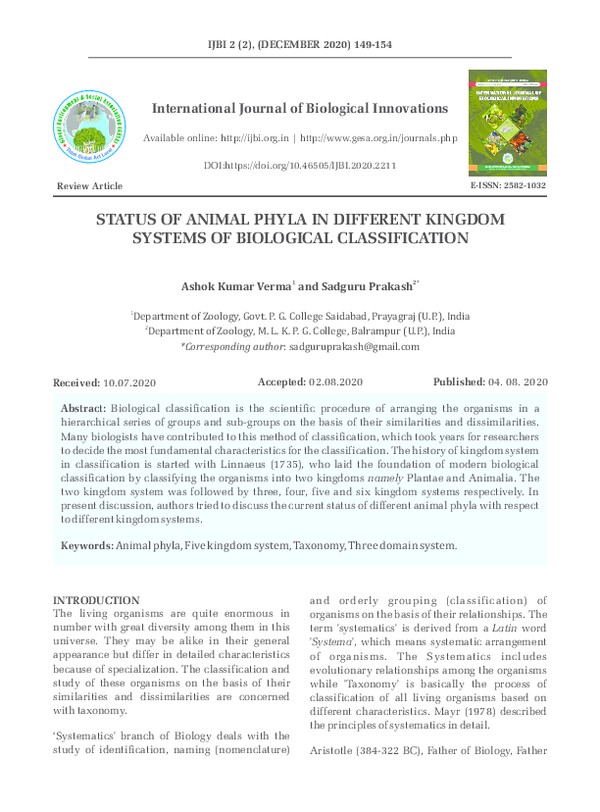
Have you ever pondered the sheer complexity of life on Earth? Imagine, if you will, the intricate tapestry woven by the multitude of organisms that share our planet. Among these, a fundamental question often arises: how many animal phyla are there? Take a moment to challenge yourself—do you know the answer? In this exploration of biological classifications, we will embark on an in-depth journey through the various phyla that comprise the Animalia kingdom.
In the vast realm of biology, organisms are classified in a hierarchical system. At the pinnacle lies the domain, followed by kingdoms, phyla, classes, orders, families, genera, and species. Within this framework, the distinction of phyla serves as a crucial organizational mechanism, helping scientists categorize the incredible diversity of life forms. So, what constitutes an animal phylum? Simply put, a phylum is a major taxonomic rank that groups organisms based on shared characteristics, anatomy, and evolutionary trajectories.
Currently, there are around 36 recognized animal phyla, each showcasing unique attributes that contribute to the broader ecosystem. The diversity within these phyla is staggering, ranging from the simplistic to the incredibly complex. Let’s delve deeper into some of the most fascinating and well-known phyla.
1. Porifera
Perhaps more commonly known as sponges, members of the phylum Porifera are the oldest animals on our planet. These multicellular organisms exhibit a simple design, with porous bodies that facilitate the filtering of water to extract nutrients. Porifera are a quintessential example of simplicity in design, yet they play a vital role in their ecosystems as filter feeders.
2. Cnidaria
As we venture further, we encounter the phylum Cnidaria, which includes jellyfish, corals, and sea anemones. Characterized by their radial symmetry and the presence of specialized cells known as cnidocytes, these organisms are adept at capturing prey and defending themselves. A stunning spectacle, the cnidarians showcase the beauty and brutality of life beneath the surface of the water.
3. Mollusca
The phylum Mollusca is indeed a cornucopia of lifeforms. Encompassing snails, clams, and octopuses, mollusks display a wide range of morphological characteristics. This diversity is largely attributed to their locomotion and feeding mechanisms, with many possessing shells and unique adaptations such as the siphon in cephalopods. The astonishing intelligence of octopuses highlights the cognitive prowess inherent in this phylum.
4. Annelida
Worm aficionados will find the phylum Annelida captivating. Comprising segmented worms, such as earthworms and leeches, annelids exhibit a complex body structure that allows for advanced locomotion and organ function. Their role in aerating the soil and recycling nutrients underscores their ecological significance, proving that even the simplest of organisms can have substantial impacts on their environments.
5. Arthropoda
Among the most diverse and abundant creatures on our planet are those belonging to the phylum Arthropoda. This group includes insects, arachnids, and crustaceans. With jointed appendages, exoskeletons, and a versatile range of adaptations, arthropods have dominated terrestrial ecosystems. The inexplicable success of insects, for instance, accounts for more than half of all known living organisms, showcasing the evolutionary ingenuity of this phylum.
6. Echinodermata
Fascinating in their own right, echinoderms such as starfish, sea urchins, and sea cucumbers are characterized by their radial symmetry and unique water vascular system. Their ability to regenerate lost limbs is a marvel of nature, serving as a critical survival mechanism in their rugged marine environments. This phylum epitomizes resilience and adaptability.
7. Chordata
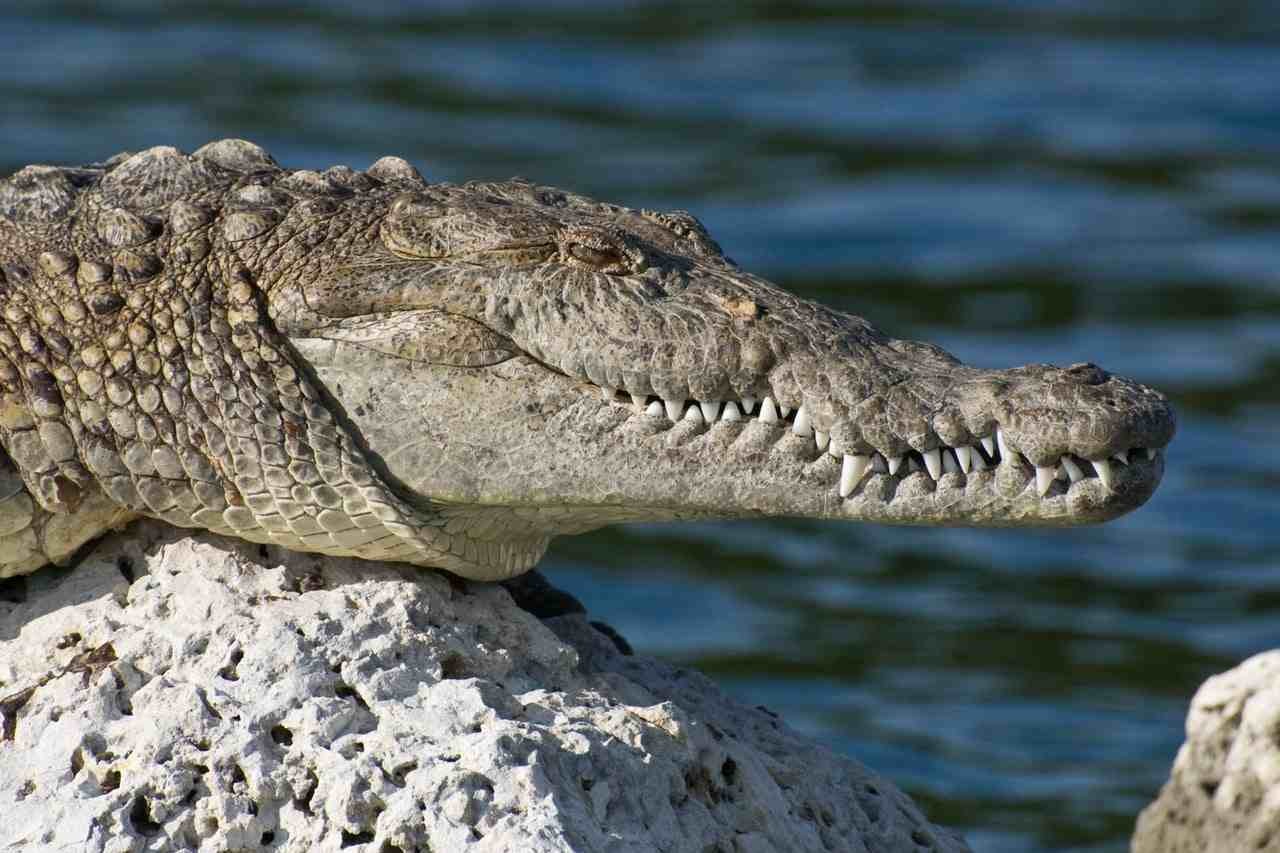
The phylum Chordata contains the most complex organisms, including all vertebrates—fish, amphibians, reptiles, birds, and mammals, including humans. Chordates possess a notochord at some stage of development, which later evolves into the vertebral column in many species. The intricate behavioral complexities and social structures seen in mammals demonstrate the remarkable capabilities facilitated by this phylum.
As we traverse through these phyla, it becomes ever clearer that each classification represents a unique evolutionary pathway. Understanding the distinctions among these diverse groups enhances our appreciation for the intricate web of life. But ecosystems are not composed merely of these major taxonomic divisions; many subphyla and classes introduce additional layers of complexity and specialization.
In a world where biodiversity is increasingly under threat from climate change and human activities, recognizing the richness of animal phyla is imperative. Conservation efforts hinge on our understanding of these classifications and the relationships that dwell within. Each phylum, with its distinctive flair, contributes to a balanced ecosystem, enriching our planet with its myriad forms of life.
So, the next time you encounter a seemingly mundane beetle or a curious starfish along the shore, remember the vast classifications they belong to. Each creature tells a story of evolution, adaptation, and the continuous dance of life on Earth. Challenge yourself to explore the phyla further—who knows what wondrous discoveries await?