When it comes to towing, the choices can feel overwhelming. With numerous options on the market, selecting the right hitch may seem trivial, but this decision is integral to your towing experience, safety, and efficiency. In the realm of trailer hitches, two titans dominate the landscape: the gooseneck and the fifth wheel hitch. But what if the common paradigms surrounding these hitches veer off course? What if, instead of merely selecting between the two, you were to redefine your towing strategy altogether? In this exploration, we will dissect the intricacies of both hitches and guide you in determining which one best suits your aspirations and vehicle capabilities.
Understanding the Basics
Before delving into the minutiae, it’s prudent to grasp the foundational differences between a gooseneck and a fifth wheel hitch. Both hitches serve the same fundamental purpose: facilitating the towing of trailers. However, they accomplish this task through distinct mechanisms that cater to different requirements.
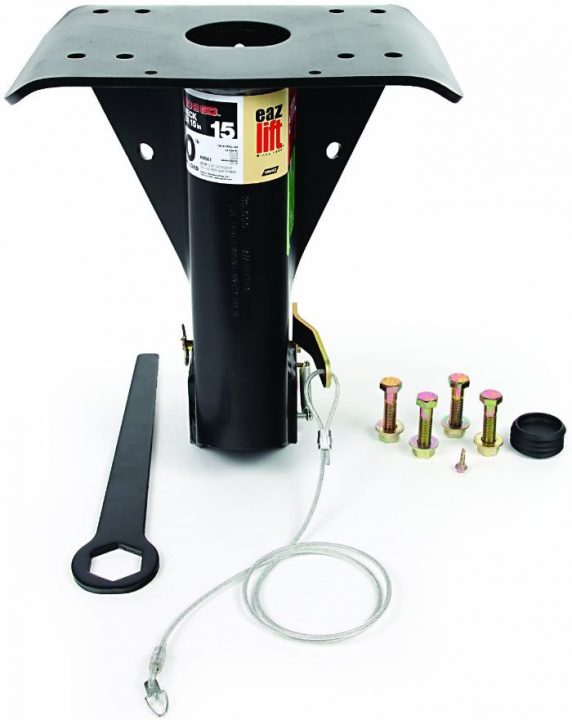
The gooseneck hitch typically consists of a ball mount affixed to the bed of a pickup truck. It operates by utilizing a prominent ball-and-socket design, which allows for enhanced maneuverability. On the other hand, the fifth wheel hitch embodies a more complex configuration, characterized by a kingpin on the trailer that locks into a hitch plate in the truck bed. This design effectively creates a pivot point above the rear axle for remarkable stability.
Payload Capacity: A Critical Factor
One of the most crucial considerations when contemplating towing options is the payload capacity. Generally, gooseneck hitches tend to exhibit a higher towing capacity compared to their fifth wheel counterparts. This is primarily attributed to their design, which anchors the weight more centrally over the truck’s rear axle, thereby optimizing weight distribution. If you are an avid hauler of heavy loads, such as livestock, construction equipment, or large campers, the gooseneck hitch may prove to be the more advantageous option for your hauling adventures.
However, while the gooseneck holds the upper hand in sheer capacity, fifth wheel hitches should not be overlooked. With advancements in design, certain fifth wheel hitches can accommodate substantial loads, making them suitable for various applications. It’s imperative to scrutinize the specifications of each hitch prior to making a decision, as varying models can significantly influence towing capabilities.
Maneuverability and Handling
Maneuverability plays a paramount role in the towing experience. The gooseneck hitch, owing to its design, permits tighter turns. This notable advantage makes it ideal for situations requiring intricate navigation, like backing up to a loading dock or maneuvering in a tight landscape. Truck enthusiasts may find solace in the agility afforded by gooseneck hitches while traversing narrow roads or weaving through congested spaces.
Conversely, the fifth wheel hitch excels in providing enhanced stability during transit. The kingpin connection assures a stable ride even on uneven terrains. This design characteristic obliterates the risk of swaying or fishtailing that could potentially plague those employing a gooseneck hitch. If you envision long journeys along highways or uneven backroads, the steadfast nature of a fifth wheel could offer peace of mind.
Compatibility with Trailers
As you consider your prospective trailer, compatibility becomes paramount. Gooseneck trailers are inherently different from fifth wheel trailers, and understanding these distinctions is vital. Gooseneck trailers typically exhibit a more robust construction suitable for agricultural and heavy-duty applications. They often feature flatbeds, enclosed cargo spaces, or specialized configurations to accommodate specific cargo. Thus, if your hauling needs align with these characteristics, opting for a gooseneck hitch could be ideal.
Fifth wheel trailers, in contrast, lean towards recreational vehicles and luxury campers, integrating enhanced amenities and living spaces. These trailers often boast an elevated design, providing additional height and improved interior space. For avid RV enthusiasts, a fifth wheel hitch may prove to be the superior investment.
Installation and Maintenance Considerations
The installation process for both hitches warrants careful consideration. Gooseneck hitches typically require a more involved installation process. They necessitate drilling into the truck bed to secure the hitch, which may deter some from opting for this model. Nevertheless, once installed, gooseneck hitches tend to be unobtrusive, allowing for flexibility when the hitch is not in use.
Fifth wheel hitch installation tends to be more straightforward, especially with the advent of sliding models designed to assist in installation without requiring extensive modification of the truck bed. However, maintenance for both hitches is essential to ensure longevity and safe towing practices. Regular inspections, lubrication of moving parts, and environmental care are necessary to uphold performance.
The Verdict: Making the Right Choice for You
Ultimately, the decision between a gooseneck and a fifth wheel hitch hinges on numerous personal factors. Consideration of your towing needs, vehicle compatibility, and specific use cases will guide you toward the hitch that resonates with your lifestyle.
For those who engage in heavy-duty hauling and value maneuverability, a gooseneck hitch emerges as the optimal selection. However, if your pursuits lean towards recreational travel with comforts in mind, the fifth wheel hitch holds compelling allure. Toasting to your journeys ahead, remember that the right choice not only enhances your experience behind the wheel but also fosters connections to the world beyond your dashboard.