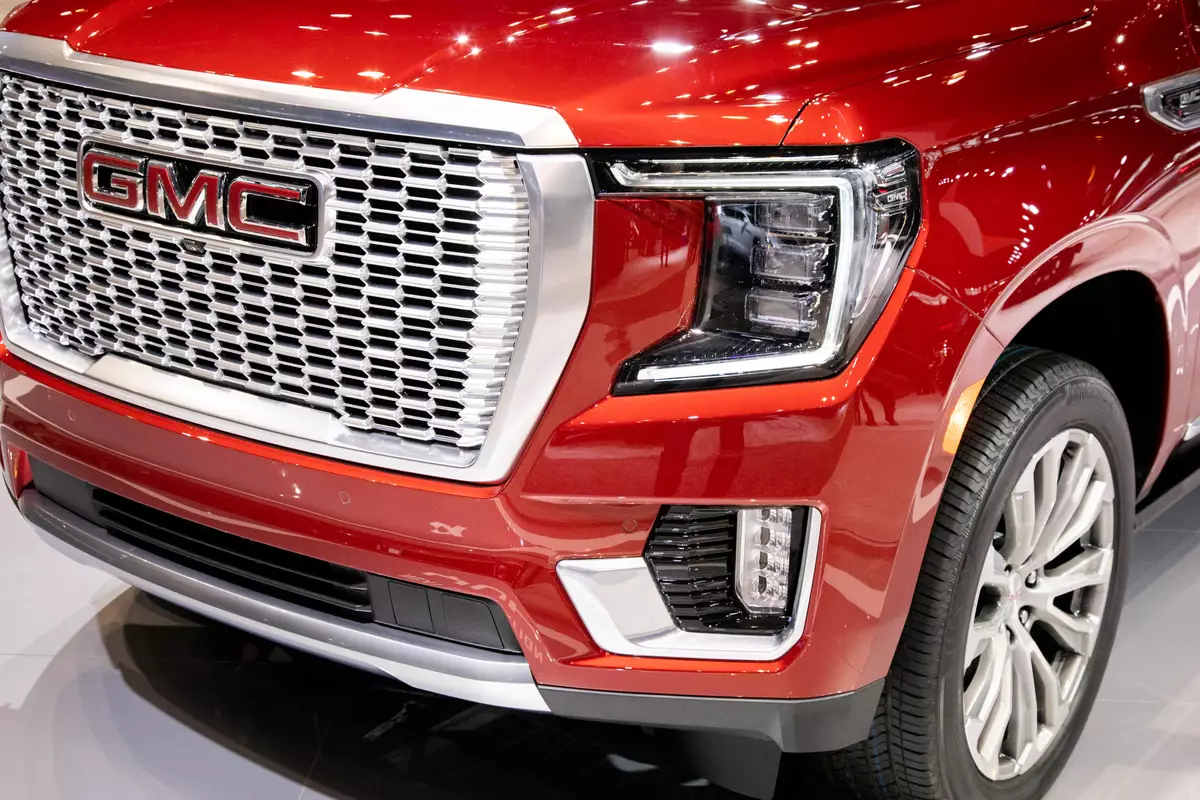
In the crowded landscape of automotive manufacturers, GMC stands out as a trusted name synonymous with ruggedness, performance, and a commitment to excellence. However, what does GMC actually stand for, and how did this iconic brand come to be? The story behind the name is as layered as the vehicles it produces, revealing a nuanced narrative intertwined with American industrial history, innovation, and transformation. This article delves into the origins of GMC, uncovering the history and evolution of a name that has become synonymous with quality craftsmanship.
GMC, an acronym for General Motors Truck Company, was established in 1911 as a manufacturer of vehicles specifically targeting commercial markets. Its inception derived from the rapid expansion of the automobile industry during the early 20th century, and General Motors (GM) sought to capitalize on this burgeoning market. GMC was originally created to produce trucks for various applications, ranging from delivery vehicles to specialized commercial fleets, demonstrating an immediate focus on utility and capability.
The roots of GMC can be traced back to the formation of several smaller automobile companies in the late 19th century. One of the key players was the Rapid Motor Vehicle Company, founded by Max Grabowsky, who designed and built some of the first gasoline-powered trucks in the U.S. In 1909, Grabowsky’s innovation caught the attention of General Motors, which was rapidly growing under the leadership of automotive magnate William C. Durant. GM purchased Rapid Motor Vehicle Company, thereby laying the groundwork for what would become GMC.
By the time GMC rebranded itself in 1912, its focus expanded beyond mere trucks. The company began diversifying its product lines, producing not only trucks but buses and a range of military vehicles, particularly during World War I and World War II. During these turbulent times, GMC redefined its identity, creating a reputation for durability and reliability, essential traits for the war efforts and the nation’s recovery thereafter.
As the mid-20th century approached, GMC further solidified its place in the automotive landscape by launching its first passenger vehicle, the GMC Suburban, in 1955. This groundbreaking model ushered in an era of versatility that appealed to both families and businesses alike. The Suburban laid the foundation for GMC’s evolution into the SUV market, a trajectory that continues to influence its offerings today.
Throughout the decades, GMC has embraced various technological advancements to enhance its vehicles—both aesthetically and functionally. For instance, the introduction of the Sierra pickup truck in 1961 marked a significant innovation in the integration of features designed for comfort and performance, setting a precedent that would influence the design of trucks across the automotive industry. In later years, the incorporation of features such as all-wheel drive, advanced safety technology, and connectivity options underscored GMC’s commitment to progression and quality.
The name GMC itself became emblematic of a certain ethos—a blend of hardiness and refinement. The vehicles are often considered as the “professional grade” of General Motors, appealing to discerning consumers who seek a balanced combination of capability and luxury. This duality is perhaps best exemplified in their SUVs and trucks, which can seamlessly transition from urban sophistication to rugged backcountry exploration.
Furthermore, the intricate relationship between GMC and its parent company General Motors cannot be overstated. This symbiotic connection has enabled GMC to benefit from GM’s extensive research and development resources. It allows for cross-platform sharing of technology and innovations, thus enhancing performance while simultaneously preserving the unique brand identity that GMC has cultivated over its long history. This has allowed GMC to remain competitive in a rapidly evolving automotive sector.
As we trace the chapters of GMC’s story, it becomes evident that the name encapsulates far more than just a corporate title; it signifies an enduring legacy of innovation, quality, and an unwavering commitment to meeting consumer needs. The evolution from the General Motors Truck Company to a formidable player in both the commercial and personal vehicle markets illustrates the transformative power that a name, coupled with vision, can wield.
In recent years, GMC has continued to adapt, focusing on sustainability and electrification. The launch of the GMC Hummer EV signifies a monumental shift towards environmentally friendly technologies, showcasing GMC’s ability to respond to modern consumer demands without sacrificing the performance and utility for which it is renowned. This endeavor not only reflects an understanding of contemporary market dynamics but also pays homage to the brand’s storied past.
Ultimately, GMC stands for more than just General Motors Truck Company. It represents a hallmark of American ingenuity, resilience, and an ongoing quest for excellence in the automotive world. As the automotive industry continues to evolve, so too will GMC, navigating the pathways of innovation while remaining steadfast to its roots.
The evolution of GMC is a testament to the strength of its name; a name that inspires confidence, embodies utility, and resonates with consumers across generations. This multifaceted narrative behind “GMC” invites us to appreciate the complexities and triumphs it encapsulates, providing a deeper understanding of what it truly means to bear this emblem.