The name ‘Wagoneer’ has long been synonymous with adventure and rugged elegance, evoking images of family road trips through national parks and the thrill of off-road escapades. As a hallmark of the Jeep brand, the Wagoneer carries a rich legacy that dates back decades. In recent years, this iconic nameplate has re-emerged, but now it graces two distinct models: the classic Wagoneer and its more opulent counterpart, the Grand Wagoneer. This distinction sparks an intriguing question: what exactly sets these two vehicles apart? From design and performance to features and pricing, exploring the nuances between the Wagoneer and Grand Wagoneer reveals a compelling narrative about their respective characters.
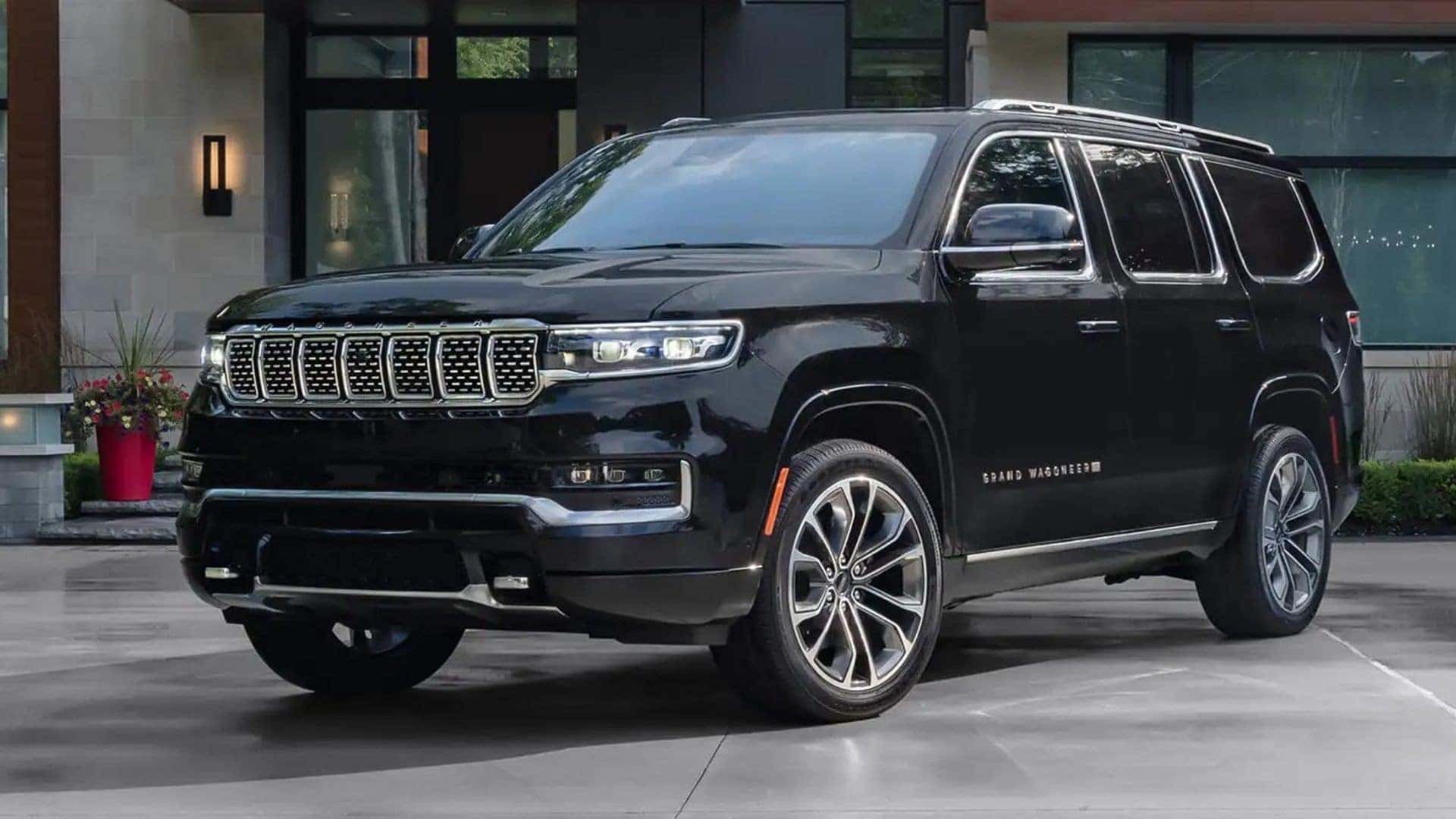
At first glance, both vehicles boast the quintessential Jeep aesthetic, characterized by a commanding presence, robust lines, and a hint of sophistication. However, their design philosophies cater to different audiences. The Wagoneer, a blend of heritage and modernity, is aimed at those seeking a reliable SUV with ample capability for both everyday errands and weekend excursions. The Grand Wagoneer, on the other hand, elevates this concept, representing the zenith of luxury and performance within the Jeep lineup. It captures an elusive balance of prestige and utility, targeting consumers who esteem both comfort and capability.
When delving deeper into the specifications, the differences become more pronounced. The Wagoneer is powered by a formidable 5.7-liter V8 engine, producing an impressive 392 horsepower and 404 lb-ft of torque. This engine is coupled with an eight-speed automatic transmission, ensuring smooth acceleration and robust towing capacity. Meanwhile, the Grand Wagoneer takes things a notch higher, featuring a 6.4-liter V8 engine that churns out a staggering 471 horsepower and 455 lb-ft of torque. This additional power translates not only to superior performance but also to a tantalizing handling experience, whether navigating through city streets or conquering rugged terrains.
As you step inside either model, the differences in ambiance and features start to become crystal clear. The Wagoneer offers a spacious and inviting interior, with high-quality materials and a host of standard technology features, including a large touchscreen infotainment system, smartphone integration, and a suite of safety technologies. This makes it a well-rounded choice for families or adventurers alike. However, the Grand Wagoneer redefines luxury in the full-size SUV market with lavish amenities that resemble those found in high-end vehicles. Premium leather upholstery, real wood accents, and ambient lighting transform the cabin into a sanctuary, while features like a 12-inch digital gauge cluster, a rear-seat entertainment system, and upgraded audio options create an atmosphere of indulgence.
In terms of technology, both vehicles are equipped with advanced infotainment systems that provide seamless connectivity and a plethora of features. However, the Grand Wagoneer enhances this offering further with more customizable options and a sophisticated user interface. Enhanced driver-assistance technologies in the Grand Wagoneer, such as night vision, active driving assist, and automated parking, set it apart as a cutting-edge vehicle that keenly embraces innovation.
Moreover, when it comes to off-road capabilities—a vital aspect of Jeep’s heritage—both SUVs perform exceedingly well. The Wagoneer, with its robust four-wheel-drive system and versatile traction management, provides an adventurous spirit paired with confidence on uneven terrains. The Grand Wagoneer also boasts remarkable off-road prowess, but it integrates additional features like the Quadra-Drive II system that enhances its agility and capability on the most challenging landscapes.
One cannot overlook the aspect of ownership in this discussion. The price point is a significant differentiator. The Wagoneer tends to be more budget-friendly compared to the Grand Wagoneer, making it an attractive option for those who desire spaciousness and capability without the hefty price tag. The base price for the Wagoneer typically starts significantly lower, while the Grand Wagoneer’s luxurious features escalate the cost, appealing to those who prioritize comfort and prestige over economy.
Ultimately, choosing between the Wagoneer and the Grand Wagoneer hinges on individual preferences, lifestyle, and budgetary considerations. For those seeking a robust, adventurous SUV that honors a legacy of reliability and functionality, the Wagoneer stands as a commendable choice. Alternatively, the Grand Wagoneer appeals to discerning buyers who covet luxury and are prepared to invest in a vehicle that combines elegance with capability.
In conclusion, while the Wagoneer and Grand Wagoneer share a foundational lineage and an unmistakable Jeep identity, they diverge into two distinct paths—one steeped in tradition and practicality, and the other encapsulating luxury and sophistication. Both vehicles offer a myriad of features that cater to diverse needs, ultimately rendering each an alluring option in the competitive SUV market. Whether one opts for the rugged dependability of the Wagoneer or the lavish experience of the Grand Wagoneer, both embody the spirit of adventure that the brand promises, inviting buyers to explore the open road with confidence.