The Dodge Hellcat has become a symbol of raw power and exhilaration in the automotive world. With its supercharged V8 engine, it boasts an astounding performance capability that catches the eye of enthusiasts and casual observers alike. However, the statistics alone do not paint the complete picture of this American muscle car’s prowess on the quarter-mile track. In this analysis, we will delve into the Hellcat’s quarter mile times, highlight the nuances behind its performance, and explore what truly makes this machine a titan in the realm of high-speed racing.
First and foremost, the quintessential attraction of the Hellcat lies in its engine. The beating heart of this vehicle is a 6.2-liter HEMI V8, equipped with an impressive supercharger that propels it to staggering power output levels, typically around 707 to 797 horsepower, depending on the specific model. This extraordinary engine spec propels the Hellcat from 0 to 60 mph in just a blistering 3.6 seconds in optimal conditions, a figure that is nothing short of jaw-dropping for a production vehicle.
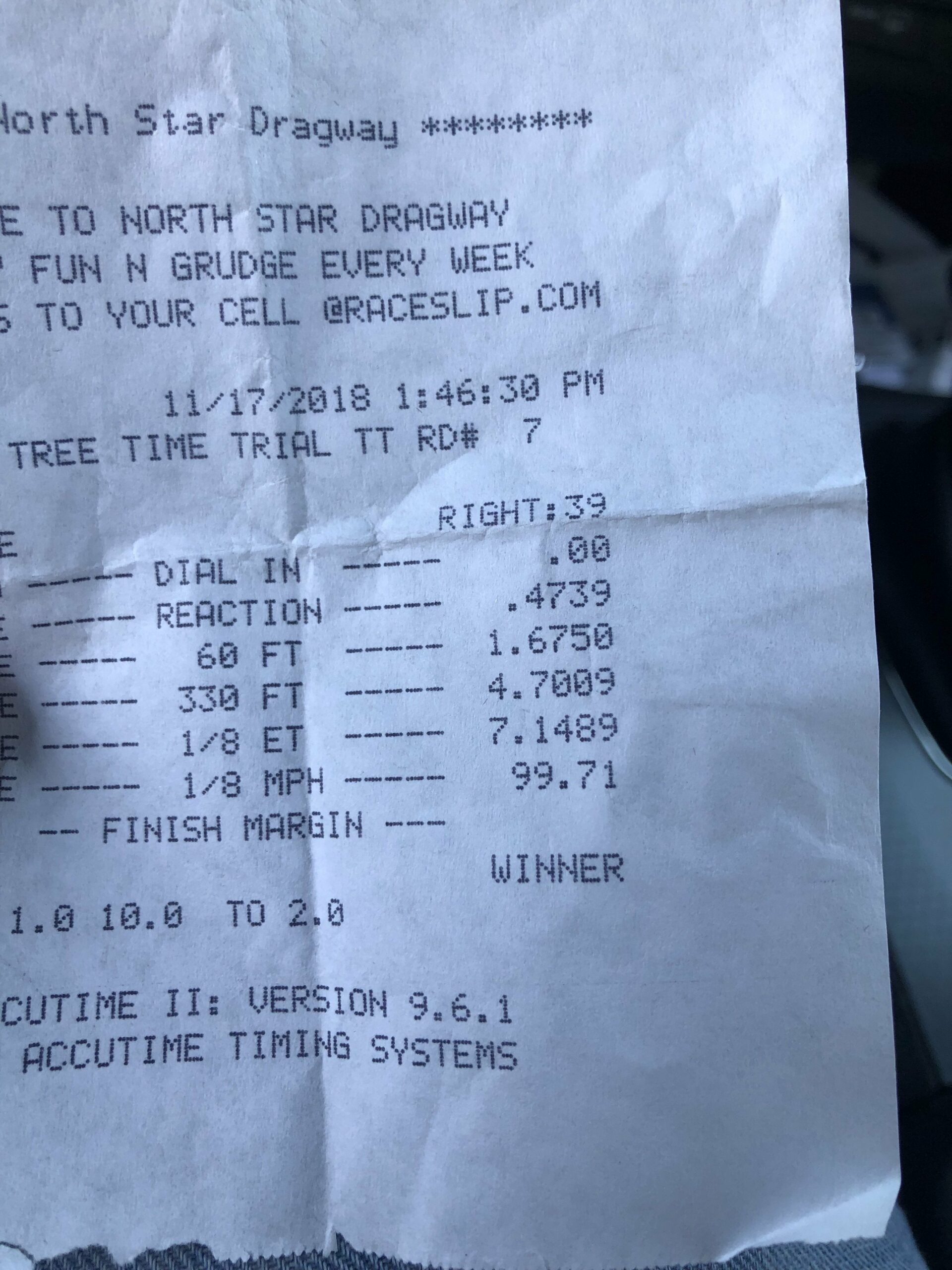
When discussing the quarter-mile distance, which spans 1,320 feet, the Hellcat is often celebrated for its staggering times. Most variants of the Hellcat are capable of completing the quarter mile in the mid-10-second range. For instance, the Hellcat Redeye has been clocked at approximately 10.6 seconds, a remarkable feat that positions it against other formidable contenders in the automotive realm, such as the Chevrolet Corvette and the Ford Mustang GT500.
However, these numbers alone do not encapsulate the extraordinary engineering behind the Hellcat. This muscle car’s performance is the result of meticulous design and technology integration, enabling it to maintain stability and traction throughout the acceleration process. One key feature that enables this performance is the TorqueFlite 8-speed automatic transmission, which facilitates rapid gear shifts under strenuous conditions. Moreover, the Hellcat is endowed with advanced traction control and launch assist systems. These features are essential for bridging the gap between raw power and effective acceleration, guiding the car towards its record-breaking quarter-mile times.
While the Hellcat’s impressive specifications paint a thrilling picture, it is prudent to recognize the variable conditions that can influence these performance metrics. Factors such as track surface, tire composition, and atmospheric conditions can dramatically affect the quarter-mile time. Enthusiasts and racers alike often tweak various elements, including tire pressure and even fuel type, to optimize their vehicle’s performance for race day.
Interestingly, professional drivers often discuss the feeling of connection to the car during a quarter-mile run. The sensation of a supercharged engine roaring to life, the vibrations coursing through the chassis, and the thrill of the acceleration creates a visceral experience that transcends mere numbers. This emotional aspect of racing embodies the allure of the Hellcat and elevates it in the minds of automotive aficionados.
Moreover, the aftermarket community has embraced the Hellcat, resulting in a plethora of customization options that can further enhance its performance capabilities. Enthusiasts have modified their vehicles for not just improved horsepower, but also to reduce weight, improve aerodynamics, and alter suspension setups—all with the shared goal of achieving quicker quarter-mile times. These modifications can result in drastic variations, often allowing the Hellcat to dip into the single-digit abyss of the quarter-mile, a realm traditionally reserved for dedicated drag racing machines.
The racing culture surrounding the Hellcat has birthed various events and gatherings where owners compete to showcase their vehicles’ capabilities. These gatherings serve as laboratories for enthusiasts to experiment and share insights on maximizing performance. Such communal learning experiences enrich the overall experience of owning a Hellcat and demonstrate how a passionate community can influence and elevate the capabilities of a car that is already a superlative in its field.
As manufacturers continue to innovate, the Hellcat lineage is poised to evolve as well. With advancements in electric propulsion and hybrid technology gaining traction, questions arise regarding how Dodge will reconcile the future of the Hellcat with the increasing demands for fuel efficiency and environmental consciousness. Regardless, the current iteration of the Hellcat remains a beacon of raw American muscle, and its place in the quarter-mile racing landscape solidifies its status as one of the most formidable contenders in contemporary automotive history.
In conclusion, the Dodge Hellcat transcends the realm of simple performance statistics. While its quarter-mile times are undeniably impressive, they are a mere reflection of a larger narrative that encompasses engineering brilliance, passionate communities, and a rich history within the motorsport culture. Understanding the nuances behind its performance can illuminate the significance of the Hellcat as more than just a fast car; it is an embodiment of freedom, power, and the never-ending pursuit of speed in the ever-evolving landscape of automobiles.