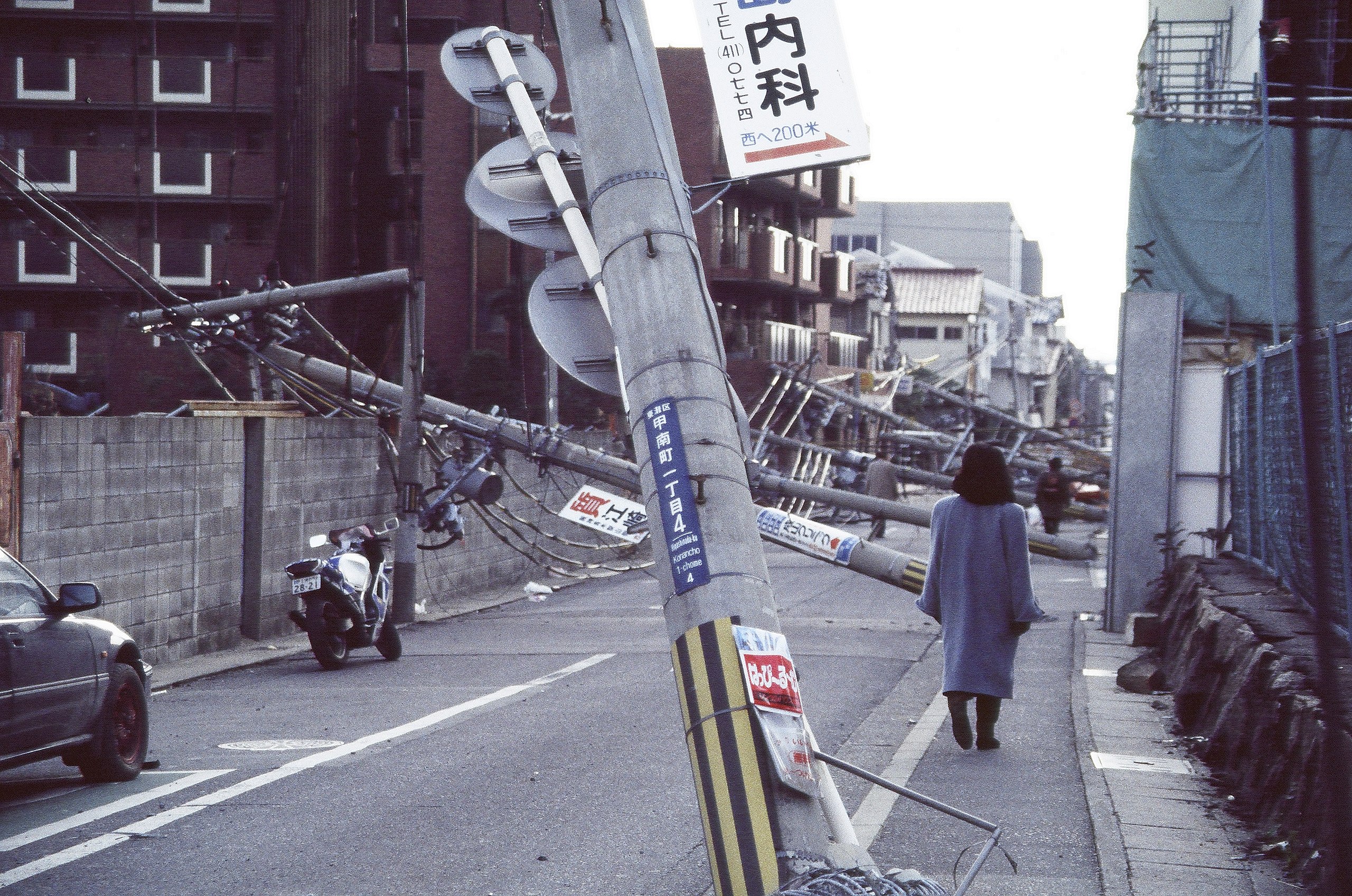
In the wake of calamity, when lives are irrevocably altered and futures seem shrouded in uncertainty, the human psyche reveals its most intricate layers. Haruki Murakami’s “After the Quake,” a masterful collection of short stories, delves into the chaotic aftermath of the Great Hanshin-Awaji Earthquake of 1995. This anthology not only encapsulates the tangible experiences of disaster but also serves as a poignant exploration of dreams, identity, and the ephemeral nature of hope. Through its distinctive narrative style and surreal imagery, Murakami compels readers to confront the fragility of existence and the multifaceted dimensions of the human condition.
At its core, “After the Quake” juxtaposes the stark reality of physical destruction with the intangible horrors and aspirations that plague the mind. Each story, carefully woven together by themes of loss and longing, invites readers to reflect on the magnitude of trauma and its correlation with the subconscious. The narratives unfold against a backdrop of an earthquake-ravaged landscape, yet they transcend mere physicality. They delve into the psyche’s response to unimaginable stressors, crafting a tapestry rich in existential inquiry.
In “UFO in Kushiro,” one of the standout stories, Murakami presents a protagonist whose life is disrupted by a natural disaster, prompting him to ponder the deeper metaphysical implications of his existence. The protagonist’s encounters with a mysterious woman shed light on the often-overlooked emotional debris that accompanies physical destruction. The illusion of control crumbles, replaced by a profound sense of vulnerability and yearning. This emotional landscape resonates with anyone who has ever questioned their purpose, magnified by an external event that suddenly alters their trajectory.
Equally profound is the narrative of “Landscape with Flatiron,” where Murakami deftly intertwines personal loss with collective trauma. The lingering aftermath of the earthquake cultivates an atmosphere rife with introspection. The characters’ dreams become a psychological refuge, highlighting the tenuous line between reality and illusion. In these dreamscapes, people grapple with their losses, confronting the specters of their past while simultaneously reaching for a glimmer of hope. The author’s exploration of dreams serves as a reminder of the subconscious—both a sanctuary and a tormentor—an entity that reflects our innermost fears and desires.
Moreover, Murakami’s stylistic choices undeniably amplify the emotive tone of the collection. His prose, often imbued with a sense of the surreal, invites readers to traverse the liminal spaces between reality and the fantastic. The instances of magical realism embedded within the stories serve to heighten the emotional stakes, enabling readers to engage with the narrative on a deeply personal level. As characters navigate surreal events, the emotional truths they reveal become more striking, allowing for a nuanced investigation of human resilience amid adversity.
Significantly, the theme of alienation pervades the collection. Murakami deftly captures the sense of estrangement that lodging in the depths of human problems inflicts on individuals. Characters frequently find themselves in states of disconnection, not only from their surroundings but from their own selves. This disconnect manifests in their relationships with others, portraying a society striving to piece together its fractures while grappling with individual despair. The earthquake becomes a catalyst for awakening profound waves of introspection, exposing the fracture lines within the human experience.
Additionally, the exploration of the human psyche is deeply intertwined with the collective experience of trauma. Murakami skillfully encapsulates the emotions of an entire populace grappling with an overwhelming sense of grief and uncertainty. In “Honey Pie,” the narrative reveals how individuals transform their understanding of reality through shared experiences of loss. Dreams serve as a common thread that links disparate characters in their pursuit of solace, a testament to the resilience and adaptability of the human spirit when facing the daunting specter of destruction.
Likewise, the narrative’s engagement with cultural identity elevates the discourse surrounding trauma. Murakami’s characters represent a broader cultural landscape, navigating the expectations and realities of contemporary Japan in the wake of a natural disaster. The interplay between personal anguish and collective memory resounds throughout the stories. The narratives articulate not only individual responses to disaster but also a societal reckoning, illuminating the entangled nature of personal and cultural narratives in the shadow of calamity.
In essence, “After the Quake” is more than an exploration of a natural disaster; it is a profound meditation on the human condition amid unpredictable events. Murakami’s ability to articulate the depth of human emotions in the face of disaster serves as a testament to literature’s power to evoke empathy and foster connection. The narratives underscore that while the physical manifestations of trauma may fade, the psychological footprints endure, etching into the very fabric of human consciousness. In this intricate dance between trauma and resilience, Murakami invites readers to ponder their own expectations of the future—whether they are daunted by the shadows of despair or lifted by the glimmers of hope.
Ultimately, “After the Quake” offers a vital glimpse into the labyrinthine realms of dreams, disaster, and the human psyche. Murakami masterfully illustrates that through facing our nightmares, we may unearth the profound capacity for healing and connection inherent in our shared humanity. As we navigate the unpredictable terrains of life, the stories serve as a reminder that while the tremors of disaster may shake us to our core, they also illuminate the path toward renewed understanding, acceptance, and hope.