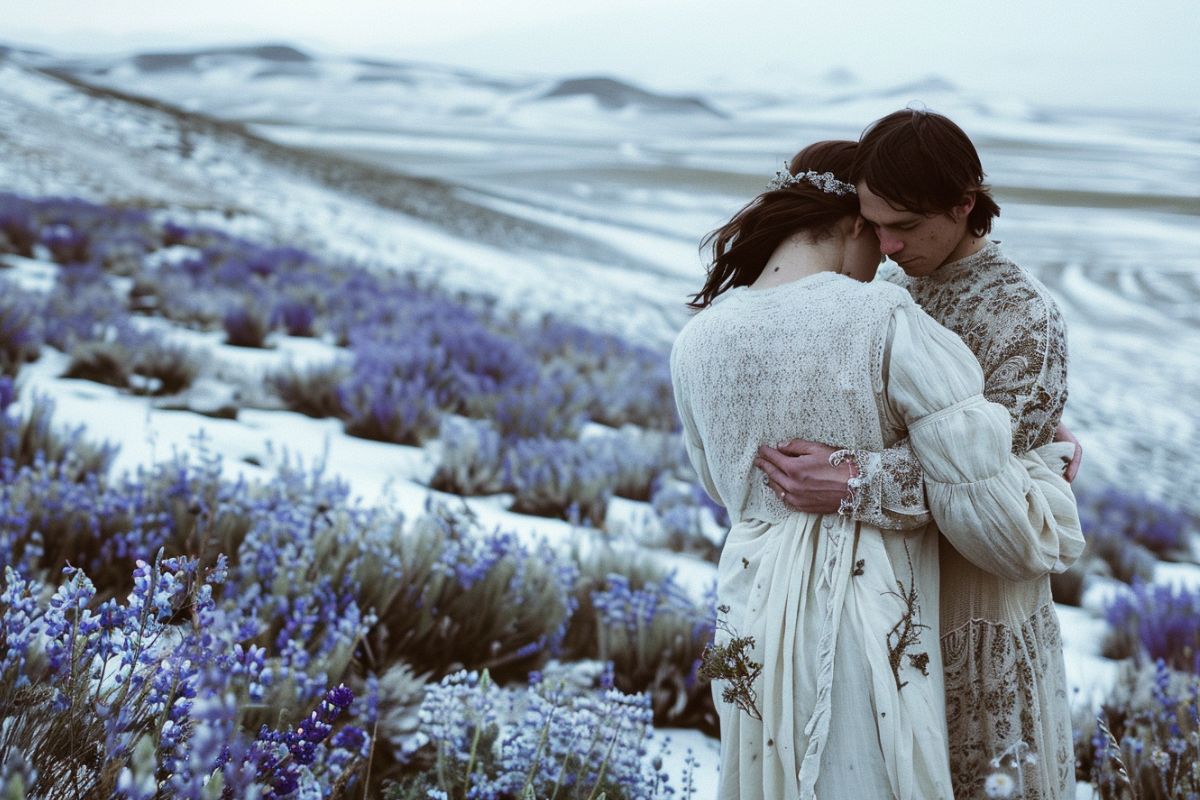
In the enchanting realm of literature, a work can transport readers to unexpected destinations, conjuring feelings that linger long after the pages are turned. Mary Gaitskill’s “A Romantic Weekend” is an exquisite example of such artistry. The narrative promises a profound shift in perspective, delving into the intricate interplay of love, power, and dark desires. This piece invites readers not only to explore the multifaceted nature of intimacy but also forces them to reckon with the tumultuous undercurrents that often lurk beneath the surface of romantic relationships.
The story unfolds during a seemingly idyllic weekend getaway, a time that many might associate with leisurely strolls, candle-lit dinners, and hushed whispers of affection. However, Gaitskill deftly subverts this expectation. Instead of a saccharine romantic escapade, the narrative reveals a complex tapestry woven with emotional vulnerability and psychological tension. This duality is the crux of Gaitskill’s exquisite storytelling. The juxtaposition of romance and strife evokes a haunting aura, inviting readers to ponder the dichotomy of human connections.
At the heart of “A Romantic Weekend” lies an exploration of power dynamics—those unspoken hierarchies that often govern relationships. Gaitskill meticulously crafts her characters, each embodying varying degrees of strength and weakness. The protagonist bears the weight of her desires, aware of the potency they wield over her partner. In this way, Gaitskill illuminates the paradox inherent in love: it can be a source of liberation as well as confinement. The narrative urges readers to contemplate how the pursuit of love can sometimes devolve into an insidious quest for control.
Moreover, the dialogue often oscillates between tenderness and bitterness. The exchange of words, infused with an undercurrent of resentment, reveals deeper sentiments. Moments of vulnerability are juxtaposed with harsh truths, resembling a dance wherein each partner strives for dominance. This intricate choreography reflects the fragility of love, emphasizing how easily affection can sour into resentment. Gaitskill invites us to examine our own relationships, challenging us to confront the darker aspects of intimacy that we might prefer to overlook.
Counselors and psychologists alike note that healthy relationships balance power, fostering mutual respect and understanding. However, as “A Romantic Weekend” aptly demonstrates, such equilibrium is rarely attained. The characters’ interactions lay bare the anxiety that surfaces in the pursuit of emotional closeness, leaving readers haunted by questions about their own desires for connection. What does it mean to love someone wholly? Can one ever truly possess another without stifling their essence? Gaitskill leaves these questions tantalizingly unresolved, encouraging introspection and discussion.
Gaitskill’s prose is replete with vivid imagery that ensnares the senses. As readers traverse the scenic landscapes of the getaway, they cannot help but feel the weight of symbiotic beauty and unease. The sun-dappled surroundings appear in stark contrast to the storm brewing within the protagonists’ minds. This dissonance serves to underline a critical point: that even in settings designed for tranquility, the specter of emotional turmoil can loom large. Through this lens, the author evokes a sense of dread, suggesting that tranquility is often but a veneer—fragile and easily shattered.
Throughout the narrative, the theme of secrecy emerges as a potent force shaping the characters’ experiences. The titular “romantic weekend” becomes a microcosm of hidden truths and clandestine desires. Secrets, it seems, are a double-edged sword; they can create intimacy by fostering a sense of exclusivity, yet they can also erode trust and sow discord. Gaitskill masterfully illustrates how the characters’ secrets become entangled with their identities, leading to a restless, gnawing dissatisfaction. In a world that often glamorizes romance, this unvarnished portrayal of lies and half-truths is both refreshing and sobering.
As the narrative reaches its climax, the tension reaches a fever pitch. The once seemingly benign setting metamorphoses into a crucible that reveals the raw vulnerabilities of the characters. Gaitskill deftly encapsulates the notion that love can be simultaneously beautiful and devastating, an intoxicating elixir that possesses the power to uplift and annihilate. Herein lies the heart of the story—she illuminates the shadows of the heart while daring readers to confront their own complexities.
Ultimately, “A Romantic Weekend” serves as an eloquent meditation on the multifaceted nature of love. It transcends the trope of a mere romantic escapade, venturing into the labyrinthine depths of the human psyche. Gaitskill compels us to embrace the discordant elements of love that persist in our experiences, illuminating how beauty and darkness often coexist. Thus, the narrative extends beyond the confines of a weekend retreat; it becomes a pilgrimage into the recesses of desire.
In conclusion, Mary Gaitskill’s “A Romantic Weekend” offers a rich tapestry of emotions and insights, challenging readers to embrace the intricacies of human connection. With its profound themes of love, power, and the ever-present shadows of desire, this story invites us to reexamine our perceptions of intimacy. By doing so, it ensures that the echoes of this narrative will resonate long after the final page is turned, prompting ongoing contemplation about the paradoxes of desire.