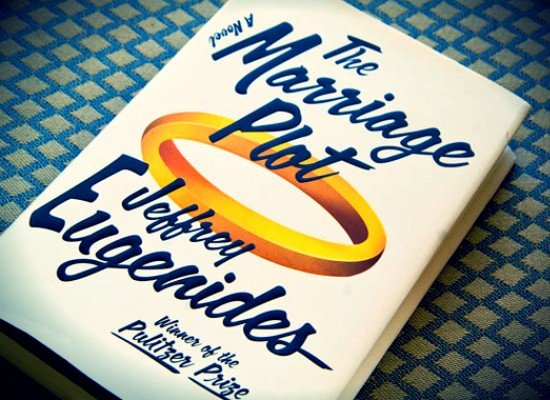
The exploration of love is a perennial theme that has captivated writers, poets, and readers alike for centuries. In his novel “The Marriage Plot,” Jeffrey Eugenides delves into the intricacies of relationships, intertwined with the backdrop of literature and the philosophical musings surrounding it. This narrative promises a profound examination of the personal and the literary, juxtaposing romantic entanglements with the broader cultural context of post-college life. Readers can expect a rich tapestry of character studies, intellectually stimulating dialogues, and an astute commentary on the notion of love itself.
Set against the vibrant milieu of Brown University in the early 1980s, the novel introduces us to the lives of three pivotal characters: Madeleine Hanna, Leonard Bankhead, and Mitchell Grammaticus. Each of these personas represents distinct philosophical underpinnings and emotional landscapes, providing a multifaceted exploration of love. Eugenides weaves their individual narratives together, creating a provocative inquiry into the complexities of romantic relationships. At the heart of the story lies Madeleine—an English major intriguingly ensconced in the world of literature, struggling to define her identity amidst the pressures of academia and the expectations of society.
As Madeleine navigates the turbulent waters of her affection for the enigmatic Leonard, a brilliant yet troubled graduate student grappling with manic depression, and the devoted but unrequited Mitchell, who seeks solace in unfulfilled love, readers are invited to ponder the often contradictory nature of desire and devotion. Through Leonard’s struggles, Eugenides highlights the ways mental illness can intrude upon and complicate relationships, a poignant theme that resonates deeply in today’s discourse surrounding mental health.
The literary references peppered throughout “The Marriage Plot” serve not merely as cultural signifiers but as structural cornerstones of the narrative. Madeleine’s passionate readings of classic literature—from the works of Jane Austen to Virginia Woolf—illuminate her journey and aspirations. These texts also reflect her attempt to reconcile the conventions of romantic storytelling with her lived experience, revealing the often stark dissonance between fiction and reality. As Madeleine grapples with her identity, the question arises: Can love truly be articulated through the articulate language of literature?
Readers will discover that Eugenides skillfully engages with the concept of the marriage plot itself, a traditional narrative arc prevalent in countless literary masterpieces. By subverting expectations, he presents a candid examination of the nuances and contradictions inherent in relationships. Rather than an escapist portrayal of romance, the novel unveils the tension between idealized love and human imperfection. In this milieu, the characters’ interdependencies create a crucible for transformation, challenging each protagonist to evolve and adapt in the face of heartache and disappointment.
Throughout the narrative, flickers of self-awareness emerge, as the characters contemplate their roles in both life and literature. Mitchell, particularly, embodies the struggle to find meaning in his devotion to Madeleine. His journey is laced with philosophical inquiries about love, faith, and the nature of happiness. As he oscillates between hope and despair, Eugenides forces readers to confront the arduous path of unrequited love, painting a vivid picture of longing that is both universal and deeply personal.
The stylistic choices made by Eugenides further enhance the thematic richness of the novel. His prose oscillates between lyrical introspection and poignant social commentary, allowing readers to traverse the emotional landscapes of his characters seamlessly. The author employs a blend of colloquial dialogue and intricate narrative structures, adeptly contrasting the mundane with the profound. This juxtaposition reflects the chaos that often accompanies love, illuminating the ways it can evoke both joy and suffering.
Moreover, “The Marriage Plot” serves as a powerful critique of romantic traditions. Eugenides unearths the societal expectations surrounding marriage and love, presenting them as both a refuge and a burden. The characters’ struggles with societal constructs can be seen as a microcosm of larger cultural tensions—how does one navigate love in a world rife with expectations? This inquiry elevates the novel from a mere love story to a revelatory exploration of social dynamics, identity, and self-discovery.
As the plot unfurls, the thematic exploration of love resonates beyond the college experience, entwining itself with questions of purpose, legacy, and belonging. Readers are left pondering the durability of romantic commitment in a transient world, compelled to reconcile the myth of lasting love with the ephemeral nature of human connections. Eugenides’ characters grapple with these existential dilemmas, culminating in a narrative that challenges the status quo of conventional storytelling.
In conclusion, “The Marriage Plot” emerges as an audacious examination of love and literature, dismantling the time-honored tropes surrounding romantic relationships. With a deft hand, Jeffrey Eugenides invites readers to engage in a dialogue about the nature of affection and identity, offering a narrative that is as intellectually stimulating as it is emotionally evocative. Blending rich character development with profound literary themes, the novel encourages a contemplative exploration of love’s labyrinthine pathways. Ultimately, it is a poignant reminder that the search for connection remains a quintessential human experience, one that is nuanced, challenging, and ultimately enriching.