In the vibrant universe of manga, few tales resonate as profoundly with gamers as “The Player That Can’t Level Up.” This captivating series marries the intricacies of gaming culture with evocative storytelling, creating a compelling narrative that enchants, challenges, and entertains. Readers can expect a multitude of content ranging from the examination of persistent struggle, immersive world-building, relatable character dilemmas, and a critique of the gaming trope of leveling up itself. Let’s delve deeper into this extraordinary work that has captivated countless enthusiasts, highlighting the unique experiences and thematic elements that render it a must-read.
The narrative follows the protagonist, who uniquely embodies the archetype of the forever “low-tier” player in a world governed by the rules of an RPG. We are introduced to a realm where every individual is granted the opportunity to level up and enhance their abilities. However, our protagonist’s curse lies in their inability to ascend, creating an extraordinary paradigm where perseverance is juxtaposed against the tangible rewards that other players easily attain. This foundational conflict captivates both casual readers and hardcore gamers alike, connecting them through the shared agony of encountering insurmountable challenges.
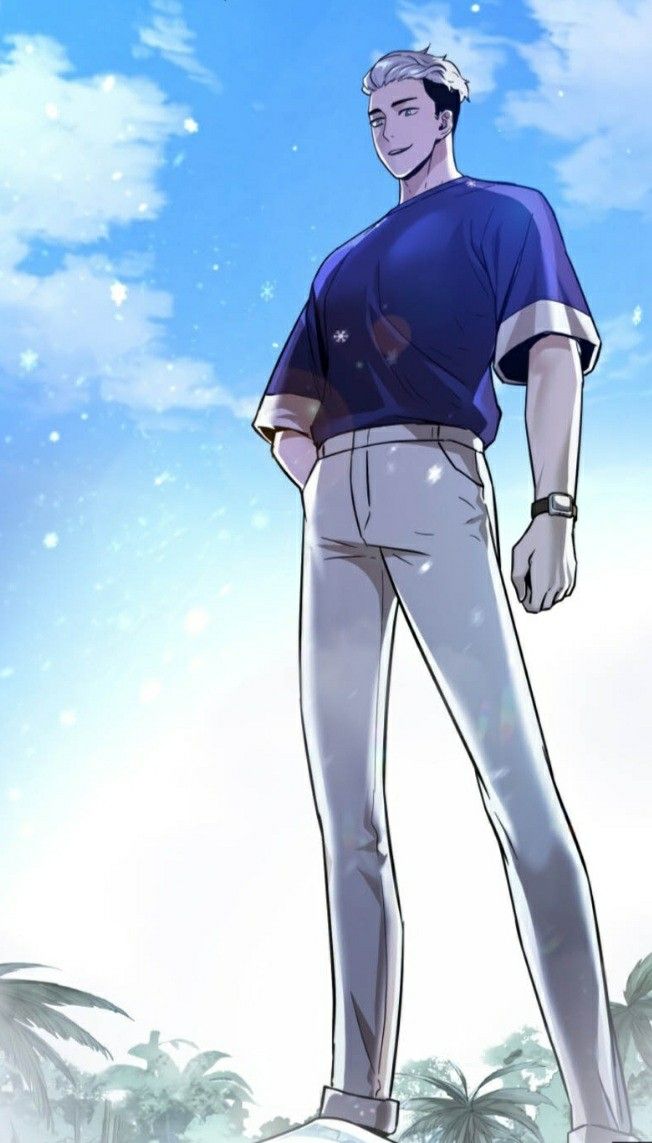
From the outset, the artwork in “The Player That Can’t Level Up” is striking. With meticulously crafted illustrations, the series calls to mind the vivid graphics familiar to the gaming world. Every panel bursts with detailed character designs and fantastical landscapes, inviting readers to immerse themselves visually in this narrative. Artists skillfully use color palettes that reflect the mood of the story—bright hues for moments of levity and darker tones during more intense, emotional scenes. This nuanced application of art creates a dynamic reading experience that supplements the emotional impact of the plot.
The core premise resonates powerfully with anyone who has ever felt overwhelmed by life’s challenges, particularly in gaming contexts. The protagonist’s stalemate status invites introspection about the nature of progress and the societal pressure to succeed, drawing parallels to real-life experiences in a world that often worships achievement over effort. Herein lies one of the manga’s strongest suits: it seamlessly marries the fantastical elements of-game mechanics with a profound commentary on personal growth. Readers will find themselves pondering philosophical questions about self-worth that extend beyond the pages of the manga and into their own lives.
Additionally, the interactions among characters are rich and multilayered. Friendships in the story frequently oscillate between camaraderie and rivalry, echoing the competitive spirit found in real-world gaming. The protagonist’s relationships with both allies and adversaries provide further substance to the narrative, showcasing how different personalities cope with similar challenges. The dynamic between characters leads to an exploration of emotional resilience, where bonds are tested, and alliances form in the crucible of adversity. This deeply relatable portrayal of friendship is where many readers will find resonance, evoking memories of their own experiences in cooperative or competitive gaming scenes.
Moreover, “The Player That Can’t Level Up” is profoundly educational for those entrenched in gaming lore. While charting the protagonist’s journey, readers are introduced to various elements of game theory, from aspects of strategy to the psychology of gaming. The manga delves into concepts like power scaling, resource management, and character development, cleverly illustrating these themes through the narrative infrastructure. This clever blend of entertainment and enlightenment makes the story accessible for novices yet gratifying for seasoned gamers who enjoy dissecting the mechanics underpinning their favorite genre.
One particularly engaging aspect of the manga is its critique of the incessant chase for achievement that often plagues gaming culture. Within its pages, it questions the very fabric of “leveling up” as a metaphysical trope. To what extent does this obsession dictate our value in virtual spaces? How does the idea of constant improvement affect our well-being in our digital and real-world lives? Such inquiries render the manga not merely entertaining but also a meaningful commentary on prevailing societal norms surrounding success and achievement.
In conclusion, “The Player That Can’t Level Up” emerges as an indispensable work for gamers and manga enthusiasts alike. It encompasses a myriad of themes—struggle, progress, friendship, and self-discovery—while wrapped in an engaging narrative infused with thought-provoking elements. With its stunning artwork and intricate storytelling, readers journey through a landscape that artfully mirrors their own life experiences, fostered by a gaming backdrop. Whether you are on a quest for profound insights or immersive entertainment, this manga will undoubtedly resonate with your personal quest for meaning in both the virtual and real worlds. Venture forth into this captivating story, and allow it to challenge and inspire you along the way.