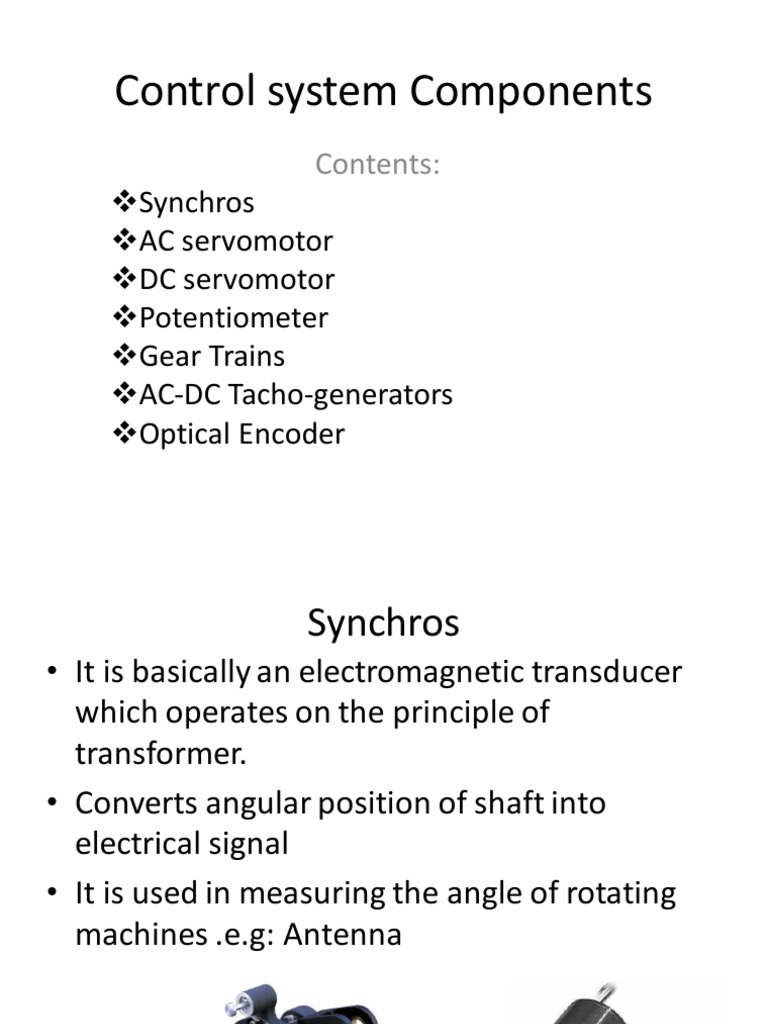
Control systems are an integral part of modern technology, governing the behavior of diverse applications ranging from household appliances to complex industrial machinery. At the core of any control system are its essential components, which interact intricately to maintain desired outputs in response to specific inputs. Understanding these components is pivotal for anyone engaged in technology, engineering, or system analysis. This article delves into the nuances of control system components, elucidating their roles and interrelationships while enhancing our appreciation for the systems that streamline and optimize processes.
1. Sensors: The Eyes of the System
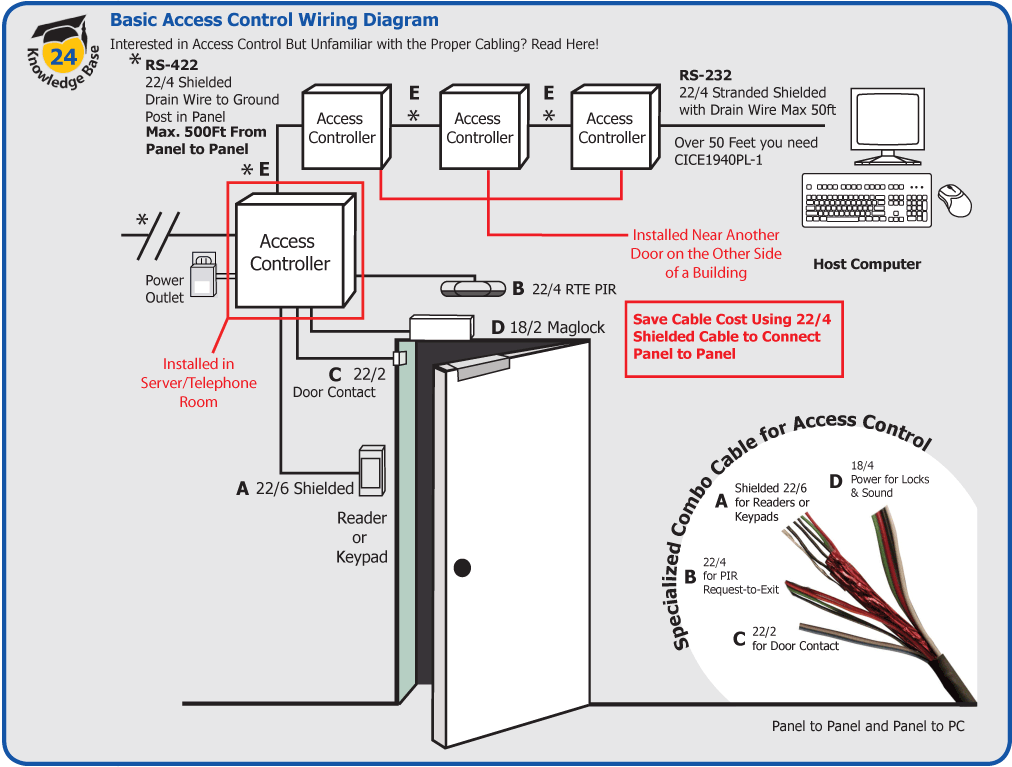
At the very beginning of the control loop lies the sensor, the device responsible for measuring variables such as temperature, pressure, speed, or position. Sensors act as the eyes of a control system, gathering real-time data and transmitting it to the controller. Various sensor technologies exist, each with unique operational principles and applications. For instance, thermocouples are utilized in temperature measurement, while LVDTs (Linear Variable Differential Transformers) excel in displacement sensing. By converting physical phenomena into electrical signals, sensors facilitate the feedback mechanism critical to control systems.
2. Controllers: The Brain of the Operation
The controller, often regarded as the brain of the operation, processes the information relayed by sensors. It compares the measured values against predetermined set points to determine the requisite action. Control strategies can vary significantly, with the most prevalent being Proportional-Integral-Derivative (PID) control. The PID controller uses three strategies to compute the control output: the proportional response to the current error, the integral response to the sum of past errors, and the derivative response to the prediction of future errors. By adjusting these values, controllers can achieve stability, responsiveness, and accuracy within the system.
3. Actuators: The Hands that Execute
Once the controller determines the necessary adjustments, it relays commands to the actuators, which are the mechanical devices responsible for executing actions within the system. Actuators convert the electrical signals from the controller into physical movements or alterations in system operation. They can be classified into several types, including electric motors, hydraulic cylinders, and pneumatic systems. Each actuator type has specific advantages, with electric motors being favored for their precision and ease of control, while hydraulic systems offer superior force output for heavy-duty applications. The synergy between controllers and actuators is critical for achieving desired outcomes in control systems.
4. Feedback Loop: The Learning Mechanism
The feedback loop is the lifeblood of any control system, allowing it to learn and adapt dynamically. This process involves the continual comparison of the output with the desired input to ensure accuracy and mitigate discrepancies. Feedback can be classified into two primary types: negative and positive feedback. Negative feedback works to minimize the difference between the desired and actual outputs, promoting stability and reducing oscillations. Conversely, positive feedback amplifies deviations, which can lead to instability unless managed carefully. The essence of feedback lies in its capacity to ensure systems remain responsive and resilient.
5. Disturbances: The External Influencers
In any control system, disturbances—unexpected changes in the environment or system parameters—pose significant challenges. These disturbances can manifest as external factors like noise, environmental conditions, or even system wear and tear, impacting the expected performance. An effective control system must accommodate these disturbances through robust design and adaptability. The resilience of a control system hinges on its ability to mitigate the effects of disturbances, ensuring it meets established performance criteria even in unpredictable scenarios.
6. Control Algorithms: The Blueprint
Control algorithms function as the blueprint of a control system, defining how the controller interprets sensor data and adjusts the actuators accordingly. Depending on the level of complexity desired, one may utilize simple algorithms like on-off control or more advanced methods such as fuzzy logic control, model predictive control, or even machine learning-driven optimization. Each of these algorithms has unique operational philosophies, making them better suited for specific applications. The choice of control algorithm profoundly influences system behavior, efficiency, and overall performance.
7. Human-Machine Interface: The Communication Gateway
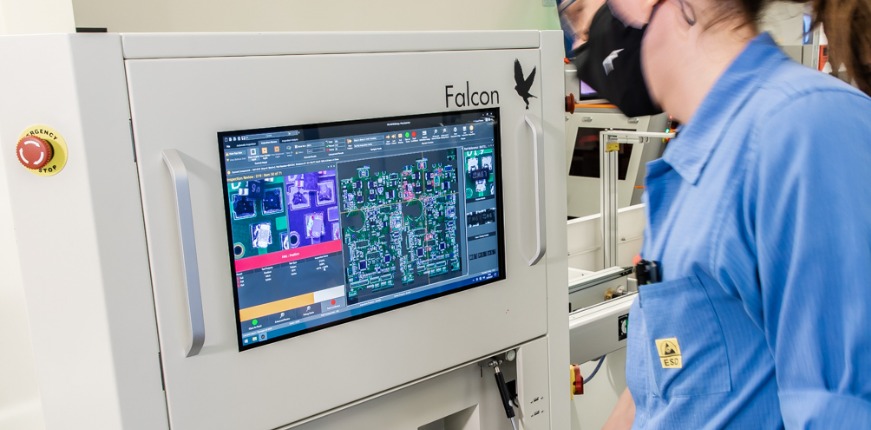
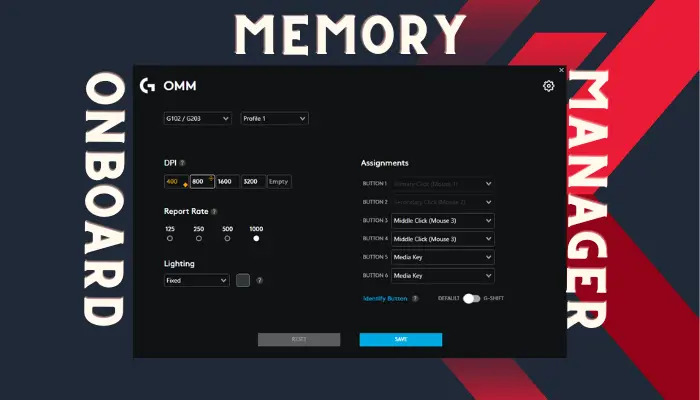
The Human-Machine Interface (HMI) encapsulates the interactive elements through which operators monitor and control the system. An effective HMI provides clear visualizations, data displays, and analytical tools that enhance user comprehension and facilitate decision-making. Modern HMIs integrate sophisticated software that allows for data logging and performance analytics, empowering operators to recognize trends, diagnose issues, and optimize system performance. The role of the HMI is crucial, bridging the disconnect between human intuition and machine precision.
Conclusion: A Harmonious Symphony
In conclusion, the intricate components of a control system—from sensors to controllers, actuators, feedback loops, and beyond—work in unison to establish a highly cohesive and functional unit. Each component’s unique role is akin to musicians within a symphony, contributing to a harmonious objective: the stable regulation of processes to meet predefined goals. As the realm of technology continues to evolve, a deeper understanding of these components not only fosters innovation but also equips us with the tools necessary to optimize and curate the next generation of control systems.