As technology gallops towards an increasingly interconnected future, the dialogue surrounding embedded systems and sensors beckons an electrifying transition in the Internet of Things (IoT). Imagine a world where every object, from mundane household appliances to sophisticated industrial machinery, engages in real-time conversations, relaying critical information and responding to stimuli. This is not mere fantasy; this is the unfolding reality of embedded systems interacting with sensors. Such interactions promise a monumental shift in perspective, igniting curiosity about how they will reshape our lives.
At the heart of this transformation lies the embedded system—a specialized computer designed to perform dedicated functions within a larger system. Unlike general-purpose computers, embedded systems operate seamlessly without user intervention, often concealed within everyday objects. The integration of sensors, which are devices capable of detecting and responding to physical stimuli, elevates the capability of these embedded systems, enabling them to perceive and react to their environment.
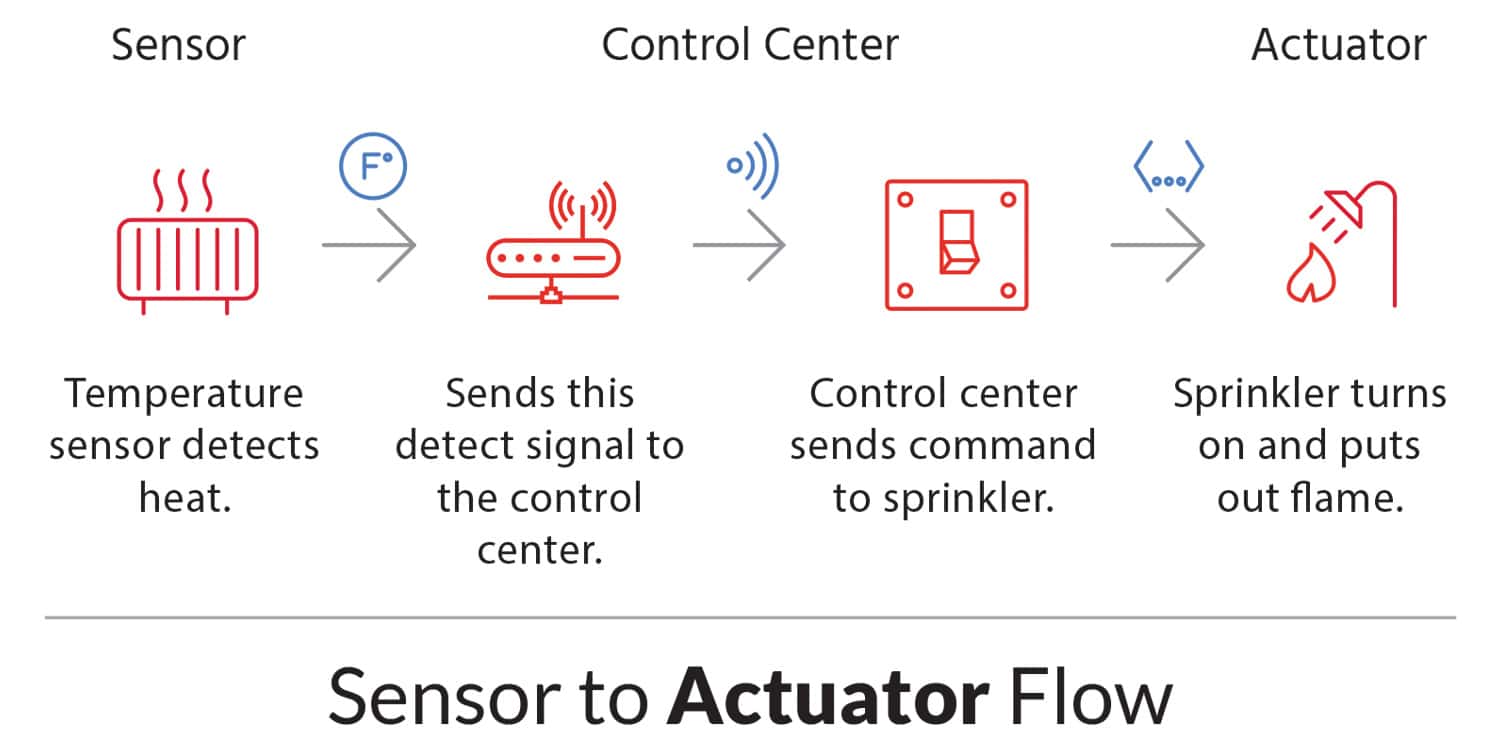
First, let’s dissect the relationship between embedded systems and sensors. The efficacy of an embedded system hinges on its ability to gather data through sensors, process this information, and then execute appropriate actions. For instance, consider a smart thermostat. It integrates temperature sensors to collect data on the ambient temperature, processes this information using an embedded microcontroller, and modulates the heating or cooling systems accordingly. This feedback loop illustrates the intrinsic synergy between sensors and embedded systems, heralding a new era of automation and control.
As technology advances, the sophistication of sensors also escalates. Emerging sensors boast impressive capabilities—miniaturization, enhanced sensitivity, and diverse functionalities. From environmental sensors that monitor air quality to motion sensors that enable smart security systems, the possibilities are vast. The integration of these advanced sensors within embedded systems expands their applications into various domains such as agriculture, healthcare, and smart cities.
In smart agriculture, for instance, embedded systems equipped with soil moisture sensors can optimize irrigation processes. These systems monitor soil conditions in real-time and trigger water release when moisture levels drop below a predetermined threshold. By harnessing the power of IoT, farmers can conserve water, reduce operational costs, and enhance crop yield significantly. This symbiosis between sensing technology and embedded systems culminates in intelligent farming practices, pushing the boundaries of traditional methodologies.
Healthcare is another realm where the collaboration between embedded systems and sensors is making profound impacts. Wearable health monitoring devices, such as smartwatches and fitness trackers, are quintessential examples. These devices incorporate an array of sensors to monitor heart rate, body temperature, and physical activity levels. An embedded system processes the data collected by these sensors, providing users with real-time insights into their health. Additionally, this data can be transmitted to healthcare providers, enabling proactive health management and potentially reducing emergency situations.
The advent of smart cities exemplifies the convergence of embedded systems and sensors on a massive scale. Urban environments are becoming increasingly intelligent, employing diverse sensors to monitor traffic patterns, detect pollution levels, and manage public safety. For instance, traffic management systems utilize embedded sensor networks to gather real-time data on vehicle flow. This information is analyzed to optimize traffic signals, reduce congestion, and facilitate smoother commutes. The prospects of enhancing urban living through intelligent systems and sensors are limitless.
However, this exhilarating future does not come without its challenges. The intertwining of embedded systems and sensors gives rise to a plethora of considerations regarding security and privacy. As more devices are connected to the Internet, the vulnerabilities increase. Cybersecurity threats targeting IoT systems pose significant risks, emphasizing the need for robust security protocols to protect sensitive data exchanged between sensors and embedded systems. Efforts to fortify these systems’ defenses are paramount to ensure the safety and integrity of user information.
Another critical aspect is energy efficiency. Many embedded systems operate within battery-powered devices, necessitating a focus on minimizing energy consumption. Innovative software algorithms and low-power sensors are being developed to ensure longevity while maintaining performance. The quest for sustainable solutions will be crucial in increasing the adoption of IoT technologies across various sectors.
Collaboration and standardization are also pivotal for the future of embedded systems and their interaction with sensors. As different manufacturers produce a multitude of devices, interoperability becomes vital. Establishing standardized protocols allows for seamless communication between disparate systems and devices, creating a more cohesive ecosystem within the IoT landscape. This collective effort will be essential in building a future where systems can communicate effectively, irrespective of their origin.
In conclusion, the interplay between embedded systems and sensors is laying the groundwork for a transformative future in the Internet of Things. By enabling intelligent automation, fostering efficient resource management, and enhancing personal wellness, these technologies propel society into a new epoch. Through interdisciplinary collaboration, vigilance in cybersecurity, and sustained innovation, the potential of this partnership is boundless. The landscape of everyday life is set to evolve dramatically, challenging our understanding of how we interact with the world around us. As we stand on the precipice of this technological revolution, curiosity swells regarding what the future holds and how embedded systems will shape our existence in profound ways.