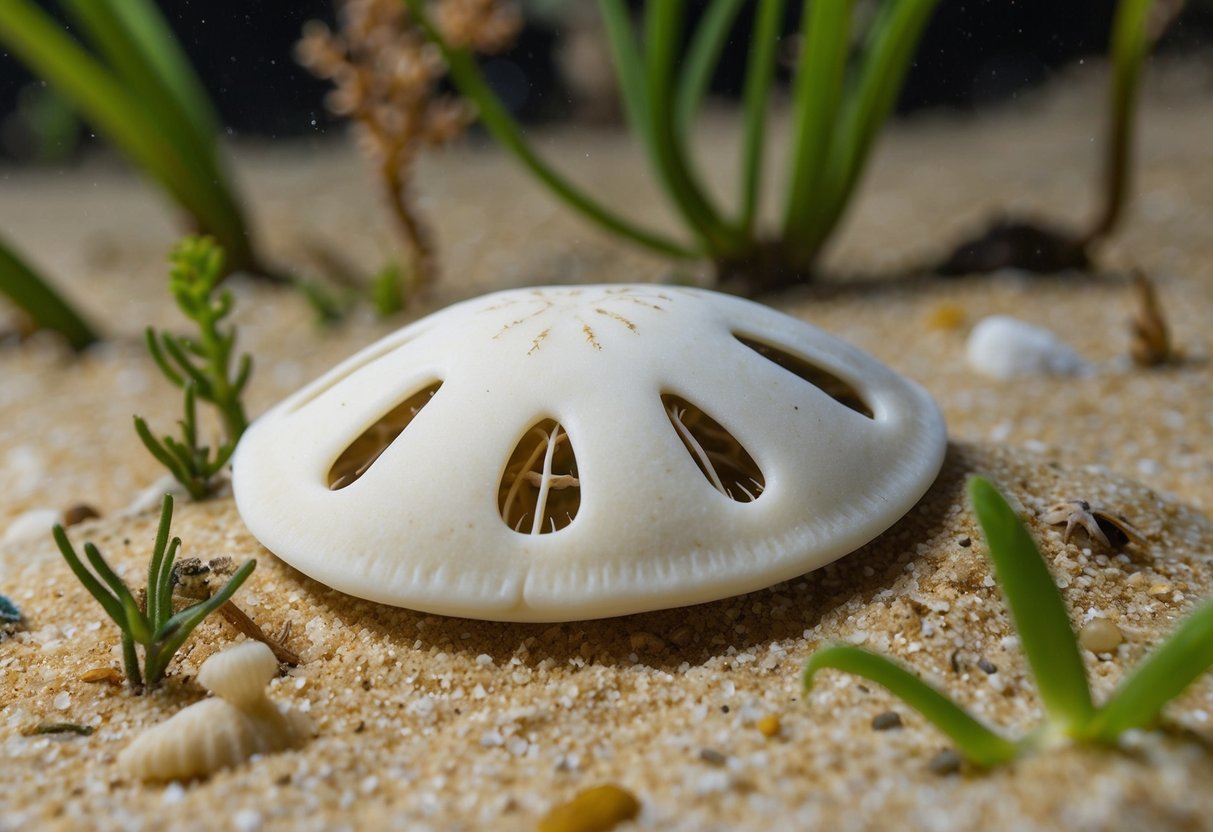
Imagine the vivid world of the ocean, teeming with vibrant life and enigmatic creatures. Among these wonders lies the sand dollar, a delicate, flat, disk-shaped echinoderm that whispers tales of its journey through the depths of the sea. Just as beloved animated characters like Dory from *Finding Nemo* navigate the ocean’s mysteries, the sand dollar embarks on its own captivating journey from larval infancy to being a shimmering treasure on the sandy shores. This exploration delves into the mesmerizing life cycle of the sand dollar, unraveling the intricate stages that craft its existence.
The life cycle of a sand dollar is an enchanting tale that begins in the microscopic realm of the ocean. Layered in this narrative are fascinating transformations, akin to a superhero origin story. Like many echinoderms, sand dollars undergo a metamorphosis that begins with fertilization. Consequently, a female sand dollar can release thousands of eggs into the water, where they meet with male sperm in a dance of chance—a truly biodiverse lottery. Fertilized eggs begin their journey as free-swimming larvae, entering a phase reminiscent of mischievous sea sprites, drifting through tides and enjoying the wonders of microalgae, their primary source of sustenance.
As these larvae develop, they transition into the stage known as *pluteus*, characterized by a distinct, elongated body adorned with fine, hair-like structures called cilia. These structures assist in mobility, providing the larvae with the ability to navigate through the ocean currents, much like Nemo discovering new territories. During this stage, they remain in the water column, sometimes for several weeks, depending on environmental conditions such as temperature and food availability. Through this time, they continue their growth, feeding on phytoplankton and absorbing nutrients from their surroundings.
Eventually, like a hero reaching their full potential, sand dollar larvae undergo a remarkable transformation into a benthic lifestyle. During this pivotal metamorphosis, which occurs around the age of several weeks, the larva undergoes changes that prepare it for a life nestled among the sandy seabed. This is when the larval features recede, and the juvenile sand dollar begins to solidify its iconic shape, forming the familiar flat, disc-like body we often associate with coastal treasures.
As they settle onto the sea floor, these young sand dollars enter a new phase of their life cycle, becoming part of the benthos—organisms that live on or near the bottom of aquatic environments. This phase is particularly crucial for survival as they learn to burrow into the sand, providing protection from predators. In this burrowing habitat, sand dollars possess the remarkable ability to adjust their position, sometimes even a few feet below the surface, to escape from impending threats like predatory fish or sea stars. This strategic adaptation is akin to a stealthy character in a fantasy saga, evading capture with cunning and skill.
The next chapter in the life of a sand dollar is growth. Once secured within their sandy sanctuaries, these remarkable echinoderms grow steadily, developing their distinctive features. Over several months, they imbibe nutrients from organic detritus and microorganisms filtering through the sand. It’s during this phase that they reach maturity, achieving their characteristic flat appearance and intricate patterns etched on their calcareous exoskeletons. These designs serve not only as identification but also as an aesthetic appeal that captivates beachcombers and ocean enthusiasts alike.
As adulthood sets in, sand dollars can reproduce, thus commencing the cycle anew. They interject their existence into the ocean’s delicate balance, playing a pivotal role in the ecosystem. Adult sand dollars typically linger in shallow waters, often found during low tide amid beds of seagrass or on sandy shores. The animals reproduce through spawning, releasing eggs and sperm into the water column, ensuring genetic diversity in their populations. Much like the hidden trials faced by beloved characters who sacrifice for the greater good, sand dollars contribute to the ocean’s health, bridging generations through their reproductive prowess.
The life span of a sand dollar can extend up to ten years, dependent on environmental factors such as habitat quality and predation pressures. As they age, these fragile yet resilient creatures become somewhat synonymous with maritime lore—the very essence of nature’s treasure. Their shells, remnant echoes of their former selves, wash ashore and intrigue beachgoers and collectors, much like the enchanting elements of a beloved storybook. In this way, sand dollars transcend their biological cycle, morphing into timeless keepsakes of the sea.
Understanding the life cycle of a sand dollar is more than a scientific inquiry; it’s a glimpse into the intricate workings of marine ecosystems. Each stage represents a vital component of the ocean’s narrative. Through metamorphosis, growth, and reproduction, these fascinating organisms contribute to the delicate balance of their environment. Whether drifting through the water as larvae or resting upon the sand, sand dollars exemplify the beauty and complexity of nature’s designs, a fitting homage to the enchanting story of life beneath the waves.
In conclusion, the sand dollar’s journey from larva to sea treasure is akin to a whimsical odyssey—one filled with transformations, challenges, and the profound resilience of nature. As we delve deeper into our oceans, it becomes paramount to appreciate and protect the slender threads that weave the tapestry of life beneath the waves. Every sand dollar, with its flat, intricate beauty, carries stories waiting to unfurl, inviting us to cherish the depths of the maritime world.