Picture this: it’s a sunny afternoon, and you’re wandering through a vibrant garden filled with luscious red fruits glistening under the sun—garden strawberries being one of them. Ever wondered how these delectable treats reproduce? Is it through the magic of sexual reproduction or the more intriguing asexual method? Join me on a scientific journey as we unravel the captivating process of strawberry reproduction, exploring both facets and their intriguing implications.
At first glance, the garden strawberry, scientifically known as Fragaria × ananassa, might appear to engage in the same traditional reproduction methods as other plants. However, delving deeper reveals a dual approach to reproduction, beautifully blending both sexual and asexual processes in a fascinating manner. This holistic methodology not only allows for diversity but also ensures that the plant thrives in various environments.
The sexual reproduction of garden strawberries occurs via flowers. These delicate structures are not just ornamental; they are vital for the continuation of the species. Each flower features both male and female reproductive parts, making it a perfect example of a hermaphroditic organism. The stamens—those pollen-producing male parts—work diligently alongside the pistil, the female reproductive organ, to ensure successful fertilization. Pollination, typically facilitated by bees and other pollinators, leads to the creation of seeds contained within the fruit.
Once pollination occurs, the magic of fertilization takes place. The pollen travels down the style to the ovary, where it merges with the ovules. This union results in the formation of seeds, which can be likened to tiny capsules of genetic information. The strawberry’s bright red, succulent fruit serves as an enticing reward for animals and humans alike, who help disperse these seeds across varied terrains. In this way, the strawberry engages in a beautiful cycle of life, one that promotes genetic variation across its progeny.
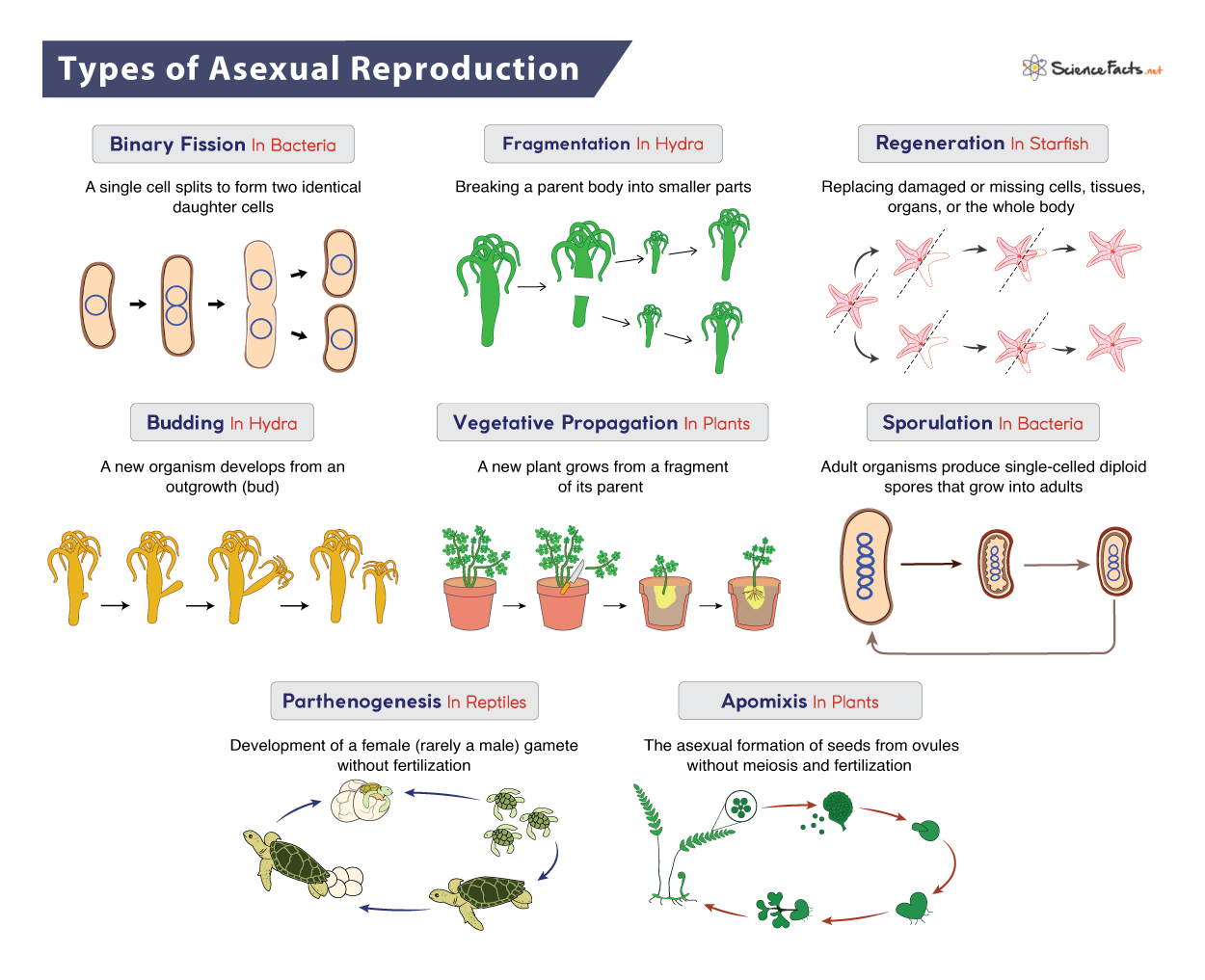
However, the garden strawberry isn’t just about sexual reproduction. Enter the fascinating realm of asexual reproduction, which presents an entirely different narrative. A garden strawberry can clone itself through a process known as vegetative propagation. As the name suggests, this method allows the plant to reproduce without the involvement of seeds or pollination. Instead, gardeners can witness the charm of runners—horizontal stems that snake across the soil. These runners emit roots at various intervals, developing new plants that are genetically identical to the parent.
Consider the advantages of this asexual method. The ability to clone itself ensures rapid population growth, allowing strawberries to establish colonies in their optimal growing conditions. This resilience means strawberries can thrive in your home garden, even in unpredictable climates. Moreover, since all offspring carry the same genetic traits, desirable characteristics—such as resilience against disease or unique flavor profiles—can be perpetuated. Ultimately, the strawberry exhibits a brilliant combination of adaptability and continuity through both its sexual and asexual reproduction strategies.
The juxtaposition of sexual and asexual reproduction adds layers of complexity to the life of a garden strawberry. Sexual reproduction introduces genetic diversity, fostering a population capable of withstanding changes in environmental conditions or resist pests and diseases. In contrast, asexual reproduction enables rapid expansion and dominance in favorable spaces, making the garden strawberry a survivor and a thriver. This dual approach ensures that strawberries flourish despite the challenges nature presents.
So, what can we learn from the reproductive strategies of the garden strawberry? In a world rapidly changing due to climate issues, urban development, and loss of biodiversity, it serves as a reminder of the importance of adaptability and resilience. It highlights the value of both variation and sameness—a balance that is essential in natural ecosystems. Young minds can draw inspiration from this duality, understanding the importance of innovation through diversity and stability in their own lives.
Moreover, for those aspiring to cultivate their own strawberries, recognizing the implications of both reproduction methods can optimize gardening techniques. Whether through enhancing pollination efforts or managing the conditions for vegetative propagation, gardeners can maximize their yield while experiencing the joy of nurturing these enchanting plants.
In conclusion, the garden strawberry exemplifies the intersection of beauty and biology. Its intricate processes of reproduction—both sexual and asexual—provide fascinating insights into the plant kingdom. By understanding these methods, we can appreciate not only the culinary delights strawberries offer but also the profound lessons they impart about survival and adaptability in an ever-changing world. Next time you savor a sweet strawberry, remember: that burst of flavor is a product of an extraordinary reproductive journey! Embrace the science of reproduction, and let the garden strawberries inspire you to explore the myriad wonders of the natural world.