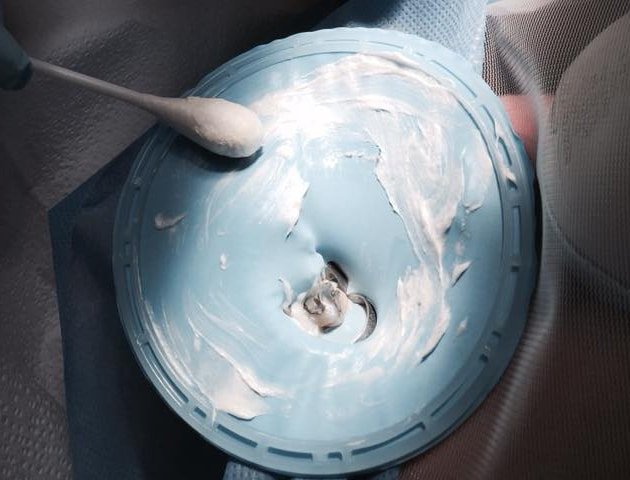
As we move into an increasingly health-conscious future, patients’ expectations from dental professionals are evolving. The emphasis on safety and well-being has never been more pronounced. Amid the myriad of dental tools and preventative measures employed to ensure patient safety, one accessory stands out: the dental dam. However, in a world where allergies and sensitivities are becoming more widely recognized, the material composition of dental dams warrants scrutiny. Specifically, the question emerges: why should a dental dam be non-latex? This article delves into the allergy concerns associated with latex and underscores the safety implications of opting for non-latex alternatives.
Latex allergies can induce an array of reactions in susceptible individuals. From mild manifestations such as skin irritation to severe anaphylactic responses, the spectrum of symptoms reinforces the necessity for caution. It is estimated that approximately 1 to 6 percent of the general population experiences some form of latex allergy. Furthermore, among those who frequently encounter latex—such as healthcare workers and dental practitioners—the prevalence of allergic reactions can be significantly higher. This highlights an underlying imperative: dental protocols and equipment must evolve in tandem with patients’ health needs, making non-latex dental dams a leading consideration.
A fundamental aspect that merits attention is the biocompatibility of materials used in dental dams. Unlike traditional latex variants, non-latex dental dams are typically manufactured from synthetic polymers. These materials often exhibit superior biocompatibility, minimizing the likelihood of adverse reactions. Non-latex dental dams effectively serve the dual purpose of safeguarding patients from potential allergens while maintaining efficacy during procedures. By mitigating the threat posed by latex allergies, practitioners can ensure a smoother, more comfortable experience for patients who might otherwise face discomfort or health risks.
The transition to non-latex dental dams not only addresses allergy concerns but also tackles safety issues associated with cross-contamination. In dental settings, the risk of exposure to bloodborne pathogens necessitates the use of protective barriers. While latex has historically been a standard material, its porous nature can compromise the integrity of barriers if not handled with care. Alternatively, non-latex dental dams exhibit greater resistance to tearing and puncturing, ensuring that they maintain efficacy throughout dental interventions. This durability translates into heightened protection for both patients and dental professionals, fostering a safer treatment environment.
Moreover, the advent of non-latex materials contributes to a more environmentally sound approach within dental practices. Given the escalating concerns surrounding the environmental impact of disposable plastics and non-biodegradable materials, the selection of eco-friendly alternatives is becoming essential for responsible practices. Non-latex dental dams are often designed with sustainability in mind, minimizing ecological footprints without compromising performance. As patients increasingly prioritize sustainability, the adoption of environmentally friendly materials can enhance the reputation of dental practices while catering to consumer values.
Awareness of latex allergies is pivotal, but educating patients about non-latex options is equally crucial. Dental professionals must proactively communicate the benefits of non-latex dental dams to ensure patients feel informed and empowered. By offering choices that consider patient health and safety, dentistry can cultivate an atmosphere of trust and reassurance. Patients should be encouraged to discuss any allergies or sensitivities during their appointments, allowing practitioners to tailor their practices accordingly. This collaborative approach not only enhances patient satisfaction but also sets the stage for improved health outcomes.
Furthermore, the shift towards non-latex dental dams coincides with broader advancements in dentistry aimed at optimizing patient care. Innovations in non-latex materials mirror the ongoing research to enhance dental tools and techniques. For instance, newer non-latex dental dams incorporate enhanced lubricants and improved stretchability, simplifying the application process and improving patient comfort. As these materials continue to evolve, they may become even more versatile in their uses across various dental procedures, promoting a future where patient well-being is the foremost consideration.
In addition to individual health benefits, the transition to non-latex materials aligns with regulatory and institutional frameworks aimed at elevating patient care standards. Many dental health guidelines emphasize the importance of accommodating diverse patient needs, which extends to material choices. As awareness of allergies and sensitivities grows, regulatory bodies are likely to advocate for non-latex alternatives in dental practices globally. Consequently, adhering to these standards can bolster a practice’s credibility and foster a reputation built upon patient-centric care.
The future of dental care is inextricably linked to the choices we make today, particularly regarding materials used in procedures. As patients continue to evolve in their expectations of safety and well-being, embracing non-latex dental dams stands as a testament to the profession’s commitment to prioritizing patient health. By eliminating allergic reactions, enhancing safety, promoting sustainability, and embracing innovation, dental practitioners can ensure that their practices are at the forefront of patient care standards.
In conclusion, the choice to adopt non-latex dental dams is not merely a response to allergies; it embodies a shift towards a more conscientious and patient-focused approach in dentistry. As we look toward the future, the importance of safety, comfort, and environmental consideration must remain paramount. The embrace of non-latex options reflects a broader commitment to advancing dental practices and nurturing lasting relationships based on trust and respect.