Can you transform your fitness level and cross the finish line of a half marathon in just one month? It’s a daunting prospect, isn’t it? Yet, for many, the allure of challenging oneself physically can be a tantalizing proposition. A half marathon, measuring a formidable 13.1 miles, is no small feat, but with the right training plan, dedication, and resolve, what may seem insurmountable can indeed become an achievable goal.
Before embarking on this transformative journey, it’s crucial to assess your current fitness level. If you’re already accustomed to running or engaging in regular cardiovascular exercise, you’re in a prime position to initiate a focused training plan. However, if you’re starting from a more sedentary lifestyle, this timeline may be overly ambitious. Realistically, a successful half marathon training regimen typically spans several months. That said, let’s explore a strategic one-month training plan designed to maximize your potential while mitigating the risk of injury.
### Week 1: Building a Foundation
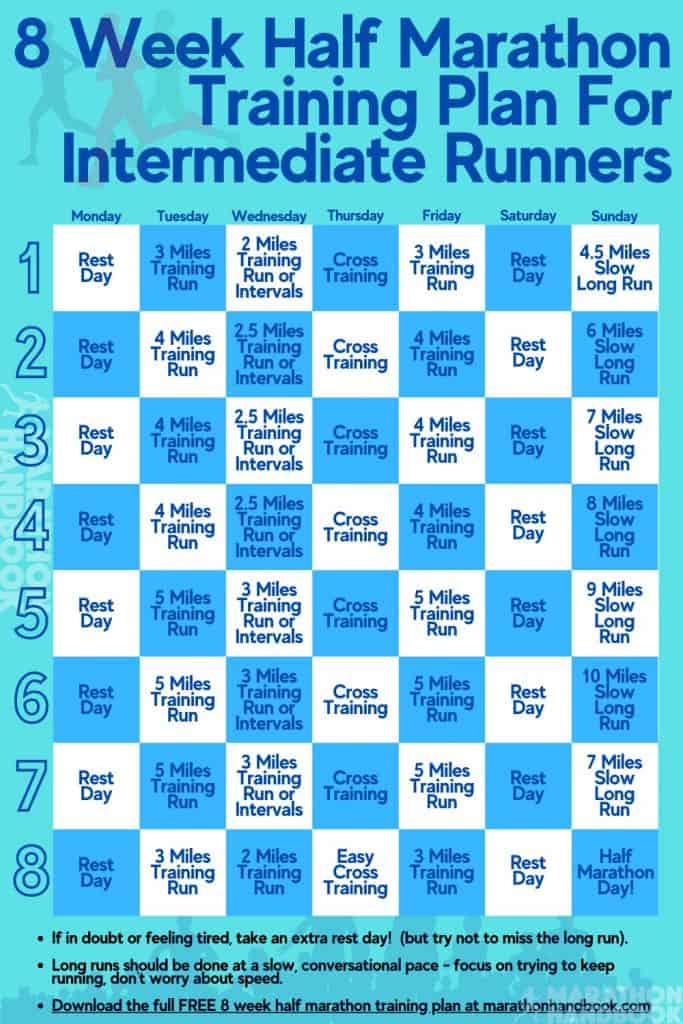
Kick off your journey with a solid grounding. During the first week, allocate three to four days for running. Begin with shorter distances; aim for 2 to 4 miles, depending on your comfort level. The primary objective here is to acclimatize your body to the rigors of running. Don’t forget to incorporate rest days. They are crucial for muscle recovery, allowing your body to rebuild.
Moreover, consider integrating cross-training exercises, such as cycling, swimming, or strength training. These activities enhance cardiovascular strength and overall stability without overtaxing your running muscles. It’s also the perfect time to start honing your nutrition strategy. Focus on a balanced diet rich in carbohydrates, proteins, and healthy fats to fuel your body.
### Week 2: Increasing Mileage
As you transition into the second week, your focus should shift toward gradually increasing your mileage. Aim for runs that range from 3 to 5 miles, cementing a steady base. Introduce a longer run towards the end of the week, targeting 6 miles. This longer run is paramount. It conditions your body to tackle extended distances and develops mental fortitude, an often underrated aspect of running.
Consider employing the “talk test” during your runs; you should be able to converse comfortably while running. If you’re breathless, dial it back. This equilibrium is particularly vital in preventing injury. Nutrition becomes even more critical at this stage. Experiment with pre-run snacks, and consider your hydration strategy. Optimal hydration pre, during, and post-run can significantly impact your performance.
### Week 3: Fine-Tuning Endurance
Week three marks a pivotal point in your training. Your body should be adapting; thus, it’s time to escalate your long run to 8 miles. The emphasis should be on endurance now rather than speed. Maintaining a steady pace is vital, as it will teach your body to endure fatigue over long distances without compromising form. Incorporate interval training into your shorter runs. For instance, alternate between fast-paced bursts and moderate paces; this method effectively enhances speed and cardiovascular efficiency.
As you progress, mindful nutrition continues to play a significant role. This week, consider adding mid-run fuel sources, like energy gels or chews, to condition your stomach to potential race-day nutrition strategies. Your body will need this energy replenishment during the actual half marathon. Adapting your digestive system to tolerate these fuels will bolster your performance during the race.
### Week 4: Taper and Race Preparation
In this final week, the training should scale down—known as tapering. While you may feel the urge to push harder, this is counterproductive. Your runs should now drop to 3 to 5 miles, focusing on maintaining your pace while allowing your body to recover. Don’t overlook the significance of mental preparation during this time. Visualize race day: the starting line, your pacing strategy, and the finish line, where you’ll relish in the jubilation of accomplishment.
In the lead-up to the race, prioritize restful sleep and nutrition. Carbo-load a couple of days before run day to ensure your glycogen stores are optimized. Hydration remains critically important; a well-hydrated body helps to prevent cramping and fatigue.
### The Day of Reckoning
Race day has arrived, and now it’s time to put all your training to the test. Arrive early at the venue to familiarize yourself with the environment. Warm up with dynamic stretches and a short jog to prep your muscles for exertion. As you line up at the start, visualize your training milestones; recall those grueling long runs and the commitment it took to get here. Embrace the enthusiasm of others around you; feed off their energy!
Remember to pace yourself; don’t sprint off into oblivion. Stick to your pre-planned strategy, constantly assessing your energy levels. Enjoy the experience, and relish crossing the finish line. It’ll be a moment of triumph, a testament to your determination and hard work.
In conclusion, while a one-month training plan for a half marathon is undeniably ambitious, it’s not entirely implausible for dedicated individuals. With an understanding of your capabilities, the right approach, and unwavering commitment, you may very well conquer those 13.1 miles. Be cautious, be prepared, and most importantly, enjoy the journey!