In today’s fast-paced world, where DIY home projects and automotive repairs are becoming more commonplace among younger generations, understanding the nuances of air hose fittings is essential. Whether you’re an aspiring mechanic or a weekend warrior taking on home improvement tasks, having the right equipment can make a world of difference. Air hose fittings might seem like minor details, yet they are the unsung heroes that facilitate the seamless operation of pneumatic tools. In this guide, we will explore various types of air hose fittings, their applications, and how to choose the best option for your specific needs.
Air hose fittings are couplings that connect hoses to other hoses, tools, or air compressors. Their primary function is to ensure a tight, leak-free connection, enabling efficient air transfer. Choosing the appropriate fitting is crucial for maintaining pressure, prolonging equipment life, and enhancing performance. To help demystify the options available, let’s delve into the fascinating world of air hose fittings.
1. Quick Connect Fittings
Quick connect fittings, also known as quick-disconnect fittings, epitomize convenience. With a simple push-and-click mechanism, these fittings allow you to quickly attach and detach hoses and tools without needing additional tools. This feature is particularly advantageous when working on multiple projects where different tools are in play. Quick connect fittings typically come in two varieties: single and double shut-off options.
Single shut-off fittings prevent air loss during hose change, while double shut-off fittings seal air in both the tool and the hose. This clever design minimizes pressure drops and makes switching between tools seamless. Whether you’re using nail guns, spray guns, or air compressors, quick connect fittings offer efficiency and versatility.
2. Barbed Fittings
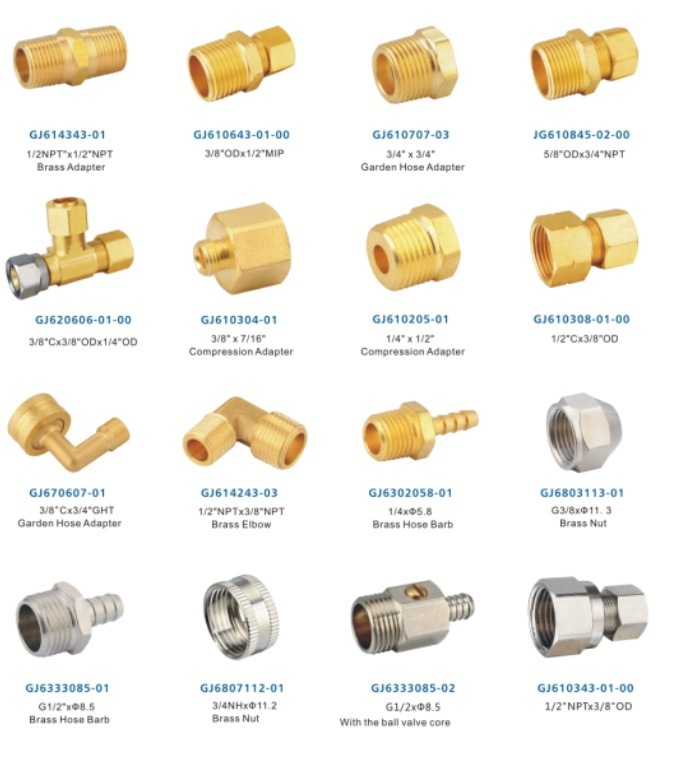
Barbed fittings are characterized by their distinctive ridged design, resembling small barbs or spikes. They are designed to grip the inside of the hose, thereby providing a robust connection. Often made from durable materials such as brass or plastic, barbed fittings are particularly versatile and can accommodate various hose diameters.
Installation generally involves slipping the hose over the barbed end and securing it with a hose clamp. This mechanical interlock is reliable, making barbed fittings ideal for applications where vibration might cause other types of fittings to loosen. They are commonly used in air tools, garden hoses, and automotive applications.
3. Threaded Fittings
When it comes to ensuring a leak-free connection under high pressure, threaded fittings reign supreme. These fittings screw into place, creating a secure and durable bond between hoses and tool attachments. Threaded fittings can be male or female, corresponding to the fitting type they connect to. Notably, NPT (National Pipe Thread) and BSP (British Standard Pipe) are two popular thread standards utilized in threaded fittings.
One of the primary advantages of threaded fittings is their ability to handle high-pressure applications. They are frequently used in industrial settings, air compressors, and pneumatic systems where pressure consistency is paramount. Proper installation is key; the use of thread sealant or Teflon tape helps ensure a leak-free seal.
4. Swivel Fittings
Swivel fittings introduce an innovative design that allows the attached tool or hose to rotate, minimizing tangles and kinks in the line. This capability is invaluable in dynamic environments where maneuverability is essential. For instance, if you are spraying paint or operating an impact wrench, swivel fittings enhance flexibility without compromising pressure.
They are typically used in applications involving air tools that require extensive movement. While slightly more complex in design than standard fittings, their advantages in both functionality and convenience make them worth considering.
5. Push-On Fittings
Push-on fittings present yet another user-friendly option, especially for those who prefer a no-fuss approach. These fittings work by simply pushing the hose onto the fitting’s barbed end, eliminating the need for clamps or tools. Although they might not provide the same level of security as threaded or barbed fittings, they are incredibly convenient for low-pressure applications.
Push-on fittings are ideal for lighter tasks or temporary setups. This makes them a favorite for hobbyists and DIY enthusiasts. Bear in mind, though, that if you anticipate high pressure or heavy-duty use, exploring other fitting options may be wise.
6. Specialty Fittings
Beyond the standard types, specialty fittings cater to unique applications. For instance, blow guns require fittings specifically designed to control airflow, while manifold fittings allow multiple tools to connect to a single air source effectively. These specialized fittings ensure optimal performance in various scenarios.
Understanding these specialty fittings can provide significant advantages in niche projects, showcasing the diverse landscape of air hose fittings available.
Conclusion
With a multitude of options available, selecting the right air hose fitting is paramount for the efficient performance of your pneumatic tools. Quick connect fittings for speed, barbed fittings for a strong grip, threaded fittings for high pressure, and specialty fittings for unique needs each offer distinct advantages. By considering the application and terrain—whether a bustling workshop or a serene backyard project—you can make informed decisions that enhance your work experience and penchant for exploration. As the younger generation steps into the world of home repairs and DIY projects, a sound understanding of these crucial components will pave the way for greater accomplishments. Embrace the journey ahead, and remember: the right fitting is key to your success.