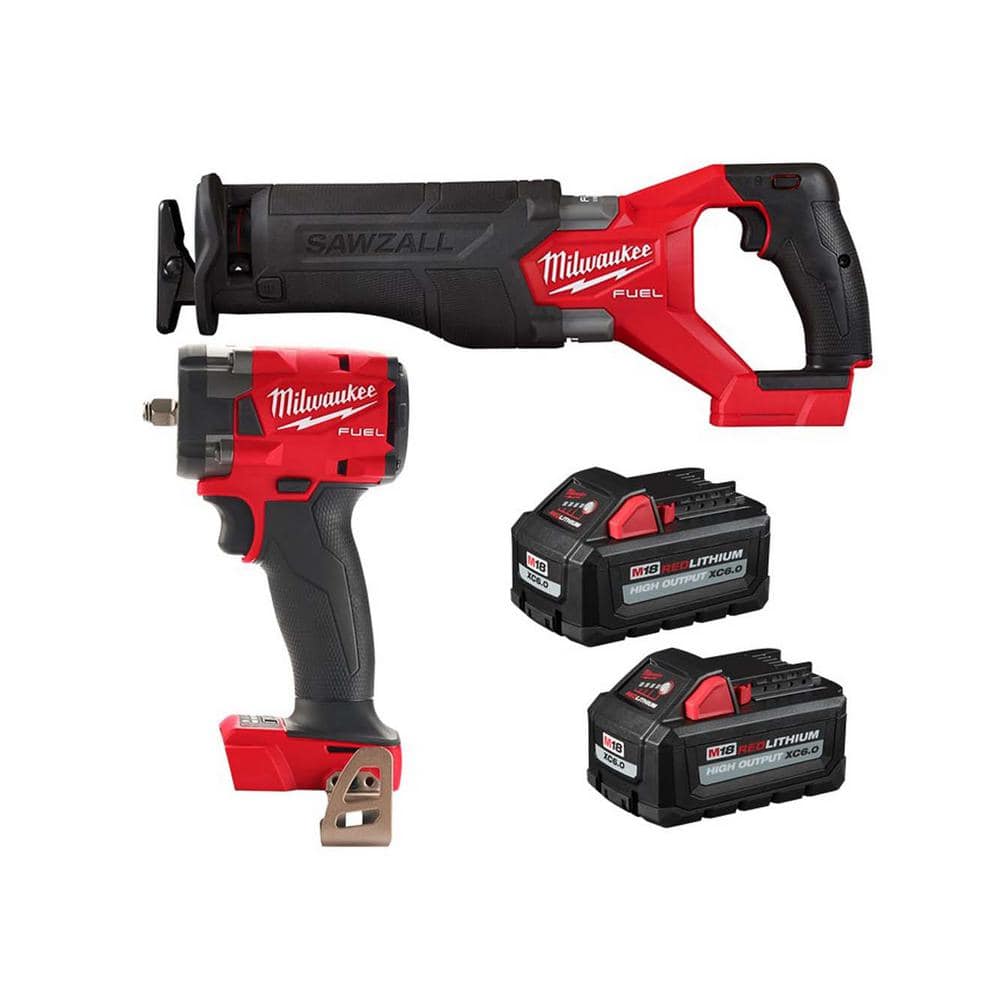
In the world of power tools, few names resonate as strongly as Milwaukee. Renowned for their engineering prowess and innovative designs, Milwaukee has cultivated a dedicated following among both professionals and DIY enthusiasts. But with the myriad of options available, including the distinction between Milwaukee Fuel and Brushless models, it can be overwhelming to make an informed choice. This article seeks to demystify these technologies, providing clarity to those in pursuit of precision, power, and performance in their tasks.
Understanding the Terminology
Before delving into comparisons, it is essential to unpack the terminology. The term “Brushless” refers to a motor configuration devoid of brushes, the integral components in traditional motors that facilitate the transfer of electricity to the rotor. In contrast, “Fuel” signifies a line of tools that leverage not only a brushless motor but also advanced technology and design enhancements for optimal performance. This distinction serves as the foundation for understanding the broader implications of choosing between the two.
1. Motor Efficiency
At the heart of any power tool lies its motor. Brushless motors are heralded for their superior efficiency. By eliminating brushes—those wear-prone elements—brushless designs reduce friction, leading to less energy loss and consequently, extended battery life. Milwaukee’s brushless offerings empower users to work longer without requiring frequent recharges, enhancing productivity on the job site.
Fuel tools, while also incorporating brushless technology, take efficiency to an augmented level. Milwaukee integrates smart technology like REDLINK PLUS™ Intelligence into their Fuel line, which actively monitors and manages performance. This ensures that the motor operates optimally, adapting the power output to the task at hand. In essence, Fuel tools do not simply operate on efficiency—they embody a commitment to enhanced operational intelligence.
2. Torque and Performance
Torque is a pivotal factor in determining how well a tool performs its intended function. When comparing torque output, Fuel tools frequently eclipse standard brushless models. The engineering behind these tools allows for increased torque delivery, which is a critical consideration for tasks demanding high performance, such as automotive repair and heavy-duty construction.
However, not all brushless tools are created equally. While they might not match the torque levels of Milwaukee Fuel user needs, they still offer robust performance suitable for moderate applications. For those whose tasks don’t require extreme power, brushless tools can provide an economically viable option that does not compromise on quality.
3. Size and Weight
As projects become more elaborate and access points tighter, the size and weight of power tools assume a greater significance. Generally, brushless tools can be lighter because they lack the additional components that can add weight. This makes them easier to handle during extended usages. Milwaukee’s brushless models are compact without sacrificing the power that users expect.
In contrast, Milwaukee’s Fuel tools, while slightly heavier due to their advanced components, are designed with ergonomic considerations in mind. The engineering commitments to balance and grip mean that the added weight does not equate to diminished usability. Just the opposite: the designs enhance user experience, allowing for prolonged periods of comfort and decreased fatigue during demanding tasks.
4. Battery Technology
Battery technology has undergone radical improvements in recent years, with Milwaukee at the forefront. Brushless tools utilize standard battery packs, whereas the Fuel line is equipped with improved wireless technology that allows for superior battery management through the aforementioned REDLINK PLUS™ system. This not only enhances battery life but also optimizes the tool’s performance in real-time, ensuring a seamless experience.
The Fuel models often feature Milwaukee’s high-capacity battery options. This capacity means users can tackle bigger projects without worrying about the downtime associated with recharging or replacing batteries mid-task. For professionals who depend on their tools daily, this can be a game changer, enhancing overall efficiency and project turnaround times.
5. Pricing Considerations
Price is an inevitable factor when considering power tools. Generally, Milwaukee Fuel tools command a premium due to their advanced technologies and superior performance capabilities. For those who frequently engage in intensive activities, the investment in Fuel tools can yield a significant return in productivity and ease of use.
On the other hand, brushless tools present a more budget-friendly alternative without overt compromises on quality. They are ideally suited for hobbyists, home improvement aficionados, or professionals whose work does not necessitate the bells and whistles of the Fuel line. Choosing the right tool should align with both budget constraints and the specific demands of the projects at hand.
Final Thoughts
Ultimately, the decision between Milwaukee Fuel and Brushless tools necessitates a thorough evaluation of individual needs and preferences. Those engaged in heavy-duty, consistent workflows may find significant advantages in the advanced performance of Fuel models. Conversely, those with lighter, infrequent usage may find satisfaction and efficiency in the brushless offerings. In every case, understanding the differences will guide users toward making informed choices that enhance productivity and satisfaction.
In the riveting realm of power tools, Milwaukee continues to lead the charge in innovation. Understanding the nuances between their offerings—Fuel and Brushless—empowers users to harness the full potential of their tools, regardless of the complexity of their tasks.