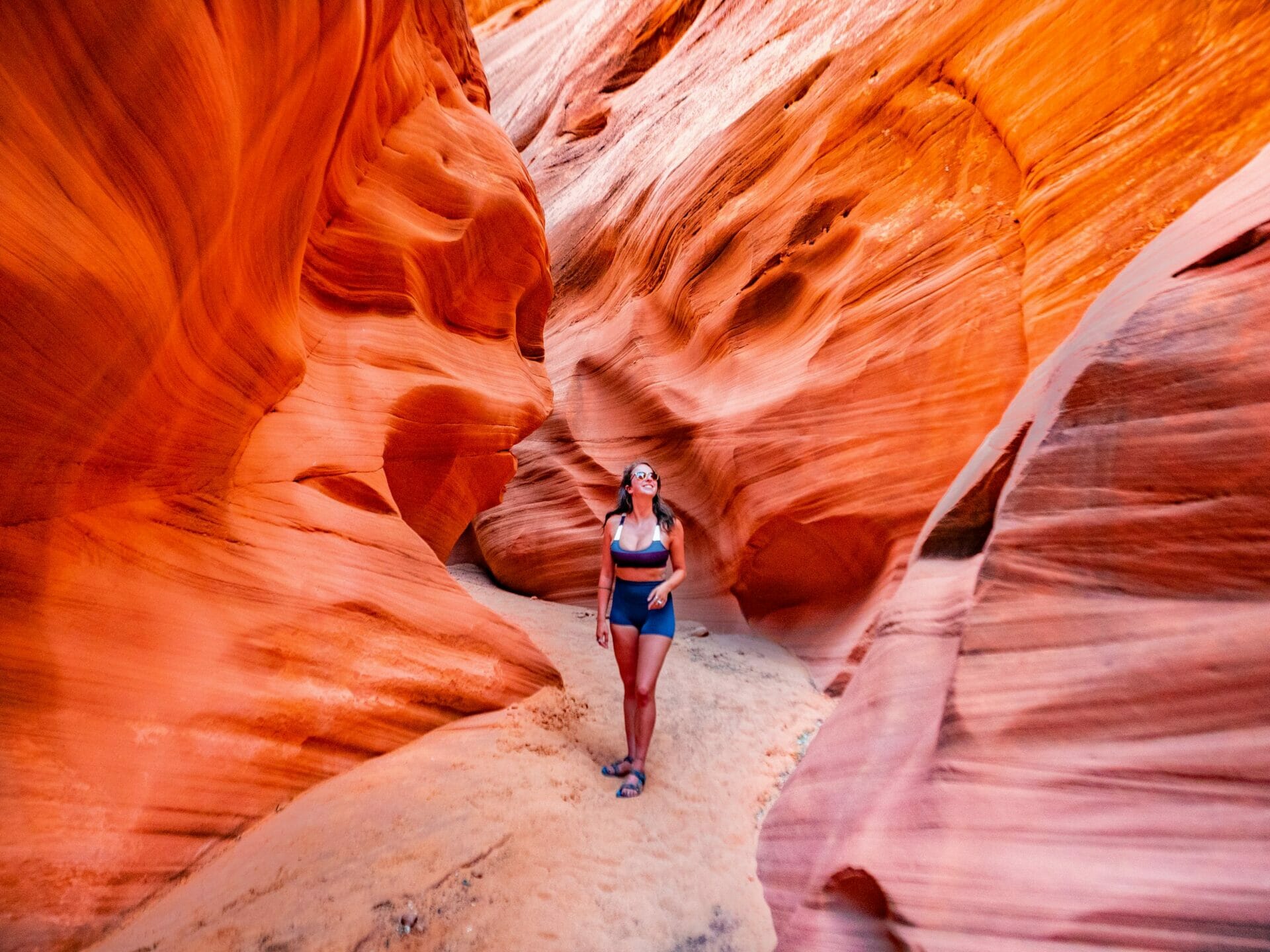
Antelope Canyon, a mesmerizing slot canyon located in Arizona, has become synonymous with breathtaking photography and natural beauty. Its winding pathways, carved by the relentless forces of nature over millennia, beckon adventurers and photographers alike. However, the question that lingers for many prospective visitors is profound: Can you truly experience the splendor of Antelope Canyon without the constraint of a guided tour? To unravel this query, we must delve into the intricacies of accessibility, regulations, and the nuances that govern this iconic natural wonder.
To commence our exploration, it’s essential to highlight that Antelope Canyon is, in fact, divided into two main sections—Upper and Lower Antelope Canyon. Both have unique characteristics and varying degrees of accessibility. Upper Antelope Canyon is renowned for its stunning light beams, particularly in the summer months when sunlight penetrates the narrow openings above. Conversely, Lower Antelope Canyon offers a deeper, more intimate experience of the canyon’s serpentine paths. These distinctions may influence one’s decision regarding whether to embark on a self-guided journey.
Legally speaking, visiting Antelope Canyon sans a tour guide is predominantly restricted. The Navajo Nation oversees the area, and as a result, regulations dictate that visitors must be part of an organized tour. This measure serves multiple purposes, primarily ensuring the preservation of this ecological treasure. Crowds can create wear and tear on the natural features of the canyon, and the protocols implemented aim to mitigate these impacts. Furthermore, a guided experience enhances safety, as the canyon can be treacherous during flash flood conditions due to sudden storms in the vicinity.
Nevertheless, some may find the structured nature of organized tours daunting. They may yearn for a more liberated approach to exploration—one that allows the freedom to wander, to savor the quiet solitude that the canyon can offer. Yet, it is imperative to acknowledge the compelling reasons why tours are mandatory. The guides are imbued with extensive knowledge about the geography and history of the region. They enrich the visitor experience by revealing the hidden stories ingrained in the sandstone walls and by pointing out subtle details that might elude the untrained eye.
Moreover, the orchestration of foot traffic through the canyon is vital. With its narrow passages, managing how many people are allowed at any given time is crucial. This regulation not only enhances the overall experience but also safeguards the delicate formations that contribute to the canyon’s beauty. The meticulous balance between human tourism and natural preservation is a constant endeavor for the Navajo Nation.
Some adventurers still seek alternatives to traditional tours—certainly, the desire for freedom can be strong. Photographers, specifically, may feel the need to capture the canyon without the bustle of other tourists in their shot. While no legally sanctioned self-guided options currently exist, there are fringe areas surrounding the canyon where determined individuals might engage in exploration. However, these areas typically lack the iconic views and stunning formations that characterize the canyon’s main sections.
Interestingly, the advent of technology has fostered an alternative—the virtual tour experience. Countless photographers have shared captivating images and, through various platforms, a virtual journey through Antelope Canyon can be experienced from the comfort of one’s home. While this does not replicate the physical experience or the adrenaline of traversing the canyon’s pathways, it offers insights and a glimpse into the breathtaking beauty that awaits.
If one is intent on visiting Antelope Canyon, it is prudent to choose an organized tour that aligns with personal preferences. Numerous companies provide options ranging from brief excursions to more detailed photographic tours. These tours can be customized to accommodate individual needs, ensuring that visitors can appreciate the splendor of the canyon while still adhering to the established guidelines.
Additionally, it is worth noting the seasonal variations that impact the visitor experience. During peak summer months, the influx of tourists can lead to crowded conditions, detracting from the opportunity for solitude. Conversely, the shoulder seasons—spring and fall—offer a more tranquil experience, with fewer tourists and milder weather, allowing for an immersive encounter with the canyon’s ethereal beauty.
A visit to Antelope Canyon is undoubtedly an endeavor that requires careful consideration of logistics and legal frameworks. While the notion of self-exploration may appear tantalizing, the reality is that guided tours ensure not only compliance with regulations but also enrich the visitor experience with historical context and safety. The natural wonder of Antelope Canyon lies not solely in its breathtaking vistas, but also in the stories and culture that frame its existence.
In conclusion, while the desire to wander freely in Antelope Canyon is understandable, the truth remains that organized tours are a necessary component of the visitor experience. They affirm the enduring balance between preservation and appreciation of this natural treasure. By participating in a tour, individuals contribute not only to their own adventure but to the broader stewardship of this awe-inspiring landscape.