Can animal control truly take stray cats? The question may seem straightforward, but the answer is multifaceted and steeped in compassion, ethics, and the realities of community dynamics. Stray and feral cats are ubiquitous in urban and rural environments, often creating a rift in community attitudes. Some view them as adorable creatures in need of love, while others see them as nuisances that disrupt local ecosystems. Understanding what happens to these resilient felines when they come into contact with animal control agencies sheds light on a critical issue that intertwines animal welfare with public policy.
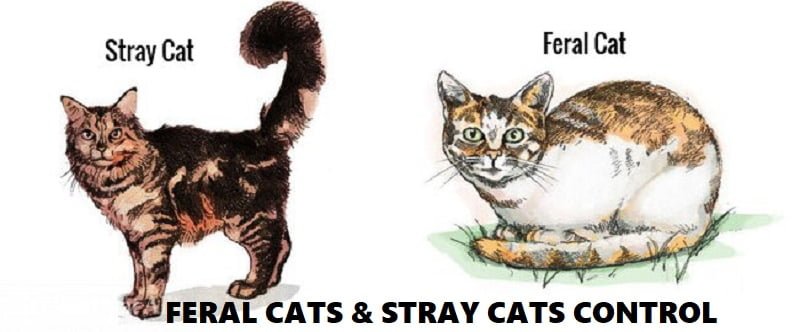
To comprehend the complexities surrounding stray cats, one must first differentiate between stray cats and feral cats. Strays are domesticated felines that have either been abandoned or lost their way, making them more reliant on human interaction. Feral cats, on the other hand, are typically the offspring of strays or have never been human socialized; they are born to live independently, often in colonies. This distinction is critical as it influences the animal control strategies employed when populations surge.
Animal control agencies are charged with maintaining public safety and managing animal populations. When it comes to stray and feral cats, their approaches can vary widely depending on myriad factors, including local laws, available resources, and community sentiment. In some jurisdictions, authorities practice a method known as “trap-neuter-return” (TNR). This humane strategy involves trapping feral cats, spaying or neutering them, and then returning them to their outdoor habitats. By curtailing the reproductive cycle, TNR aims to stabilize and gradually reduce feral populations.
However, not all animal control agencies prioritize TNR. In some areas, stray and feral cats are considered pests, and as a result, the policies can be draconian. Strays may be taken to shelters where they await adoption, while feral cats could face euthanasia if shelters deem them unadoptable. This harsh reality starkly contrasts the gentle approach of TNR, igniting passionate debates among animal advocates and local residents.
Furthermore, the implications for community ecosystems cannot be understated. Stray cats and feral colonies play a paradoxical role in the environment. Advocates argue that responsible cat management through TNR helps control population sizes, thus ultimately curbing some of the predation impacts on native wildlife. Conversely, opponents contend that even managed feral colonies can wreak havoc on local bird and small mammal populations. This ongoing contention illustrates the intricate web of ecological balance that professionals must navigate.
Several factors complicate the situation further. First, financial resources are often limited. Shelters may find themselves overcrowded, leading to the difficult decision of which animals to prioritize for care. In these cases, the stigma surrounding feral cats can often escalate discussions around resource allocation, with public health taking precedence over animal welfare. Additionally, public perception plays a significant role. Many communities are divided on whether to endorse the humane treatment of feral cats or to implement aggressive population control measures. This polarization can stymie effective legislation and community initiatives.
Moreover, it’s crucial to recognize that stray and feral cats can contribute to societal challenges. They can spread zoonotic diseases, such as toxoplasmosis and cat scratch fever, which pose health risks to humans and other animals. Such risks often fuel public concern, persuading local authorities to act swiftly in culling cat populations. This response highlights an urgent need for balanced discourse concerning the management of feral feline populations, weighing health concerns against animal rights.
The lack of mandatory identification for cats exacerbates these challenges. Unlike dogs, which are often required to be licensed and microchipped, cats frequently roam without identification. This absence of accountability complicates the return of strays to their rightful homes, and once in the system, they may face uncertain fates. Advocating for mandatory microchipping for pet cats could, at the very least, minimize the number of strays entering animal control facilities.
So, what steps can communities take to strike a balance? Community engagement is paramount. Local governments, animal welfare organizations, and community members must collaborate to craft thoughtful policies regarding stray and feral cats. Such policies should ideally favor humane methods like TNR and include educational initiatives aimed at responsible pet ownership. By increasing awareness and promoting strategies that can mitigate the impacts of stray and feral cats, communities can foster environments that respect both human and animal welfare while protecting native ecosystems.
In conclusion, the plight of stray and feral cats embodies the challenges of balancing human interests with animal welfare. Whether they are taken by animal control or remain in feral colonies, their stories are interwoven with those of communities and environments. The discourse surrounding these felines must evolve to embrace both empathy for the animals and the realities of public health and ecology. By adopting a holistic approach rooted in compassion and practicality, we might find a way to coexist harmoniously with these elusive yet resilient creatures.