Imagine embarking on a camping adventure, nestled amidst nature’s serenity, with the gentle rustling of leaves and the melodic chirping of birds as your backdrop. Yet, the mundane reality of RV living often involves dealing with traditional waste disposal methods, which can detract from the experience. Enter the composting toilet, a revolutionary approach to sanitation that promises not just functionality, but an eco-conscious perspective on waste management. Is it truly worth considering for your RV lifestyle? Let us delve deeper.
The concept of composting toilets may evoke some skepticism. After all, associating a chemical or traditional flush toilet with the comforts of home is tenable. However, these innovative systems are gaining traction among RV enthusiasts and eco-friendly travelers alike. But what makes them stand out? We will explore the multifaceted benefits and potential drawbacks of incorporating a composting toilet into your recreational vehicle.
Understanding Composting Toilets
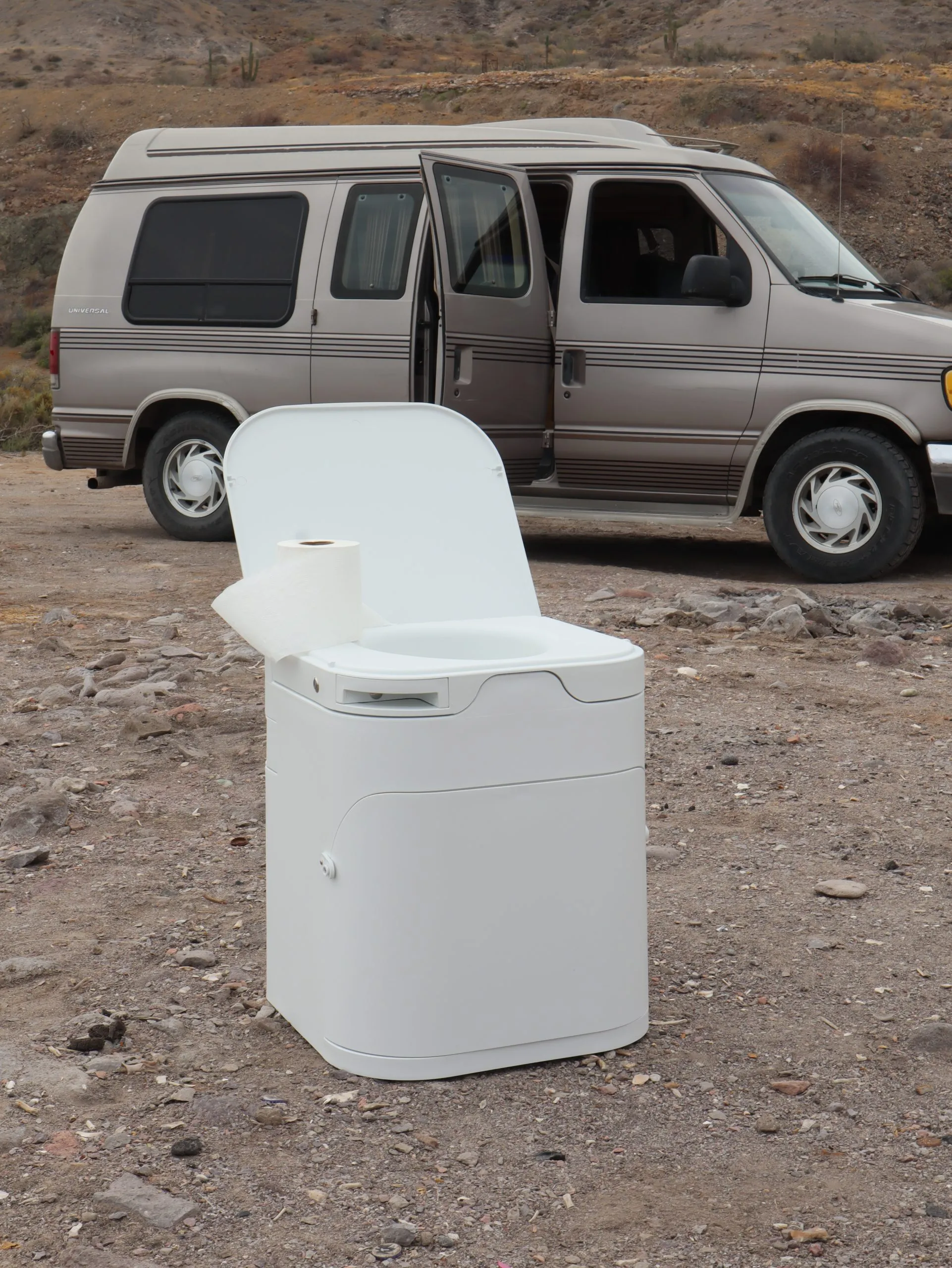
Composting toilets utilize organic decomposition to transform human waste into compost, a process that takes place naturally over time. Unlike standard toilets that rely on gallons of water and sewage systems, composting toilets require minimal water usage, which holds significant appeal for RV owners, especially those who often venture off the grid. Most models function on a two-chamber system, separating solids from liquids, effectively facilitating aerobic decomposition. As nature takes its course, what once was waste can be transformed into a nutrient-rich byproduct, thereby enriching the soil in gardens or landscaping.
Environmental Considerations
The environmental benefits associated with composting toilets are profound. In an era characterized by a heightened consciousness surrounding ecological preservation, these systems provide a sustainable alternative to the conventional flush toilets. By conserving water—an increasingly scarce resource—these toilets significantly reduce water waste. According to recent studies, traditional toilets can utilize up to 6 gallons of water per flush. In stark contrast, a composting toilet utilizes minimal or even no water at all. This water conservation can be particularly advantageous when boondocking, where access to fresh water is limited.
Additionally, composting toilets diminish the burden on sewage treatment facilities. By not relying on traditional plumbing systems, RV users can avoid contributing to the overwhelmed public sewer infrastructure. This not only aids in reducing the strain on local waste management systems, but it also presents an opportunity to practice self-containment in environmentally sensitive areas.
Cost Efficiency Over Time
While the initial investment in a composting toilet might seem steep—often ranging from $900 to $1,500—this cost must be examined within the broader context of long-term savings. Traditional RV toilets often necessitate periodic maintenance, chemical treatments, and perhaps even costly plumbing repairs. Conversely, composting toilets require minimal upkeep once installed, leading to significant cost savings over time. Additionally, the absence of chemical treatments and the potential for producing usable compost can offset the initial expense.
Space-Saving Design
Space is a premium commodity in an RV, an environment where every inch is accounted for. Many modern composting toilets are ingeniously designed to be compact and lightweight. They typically feature a sleek design that blends harmoniously with the interior aesthetics of an RV. With models that boast an impressive array of features—such as removable waste containers and easy-to-use ventilation systems—selecting the right composting toilet can enhance not only functionality but also the overall experience of traveling in an RV.
Potential Drawbacks to Consider
Furthermore, it is worth noting that not all campgrounds permit composting toilets, which could pose a limitation for travelers who frequent these sites. Before making a commitment, it is prudent to check regulations and policies at destinations you plan to visit. Though many have begun embracing eco-friendly practices, others may still require adherence to conventional waste disposal methods.
The Bottom Line
The decision to install a composting toilet in your RV is multifaceted, influenced by personal values, environmental considerations, and individual experiences. While the initial investment and potential challenges may deter some, the long-term benefits—including environmental sustainability, cost efficiency, and enhanced convenience—are compelling arguments for many RV enthusiasts. Ultimately, the choice lies in balancing your lifestyle preferences with the transformative potential of this innovative waste management solution. Adopting a composting toilet could very well redefine your journey, turning tasks once considered a nuisance into an environmentally enriching experience.
In the realm of RV living, would you dare to reimagine sanitation and embrace a greener, cleaner path? The allure of composting toilets might just be the shift in perspective you didn’t know you needed.