Are you ready to embark on a transformative journey that will take you from the cozy comfort of your couch to the exhilarating thrill of completing a half marathon? Imagine yourself as Rocky Balboa, triumphantly running up those iconic steps, or as Forrest Gump, taking that first fateful jog across the country. Getting from a sedentary lifestyle to a 13.1-mile race, though challenging, is entirely achievable with the right mindset and training plan. This step-by-step guide is tailored for those ready to lace up their sneakers and conquer the world of running, one mile at a time.
**Step 1: Set Your Goal**
First things first: establish a clear goal. Achieving any significant feat necessitates a solid objective. Having a half marathon on the horizon creates a sense of urgency and purpose. Picture yourself crossing that finish line, arms raised in victory, as you share in the exuberance of thousands of other runners. Write down your goal to increase accountability. Whether it’s a specific race or simply completing 13.1 miles, make sure it resonates with you.
**Step 2: Assess Your Current Fitness Level**
Before you dive into training, assess your current fitness level honestly. If you’re akin to a sedentary character like Homer Simpson, remember that everyone starts somewhere. Consider how much time you currently spend being active. Can you walk for a few minutes without being winded? Establishing your baseline will help you create a realistic roadmap for improvement.
**Step 3: Design Your Training Plan**
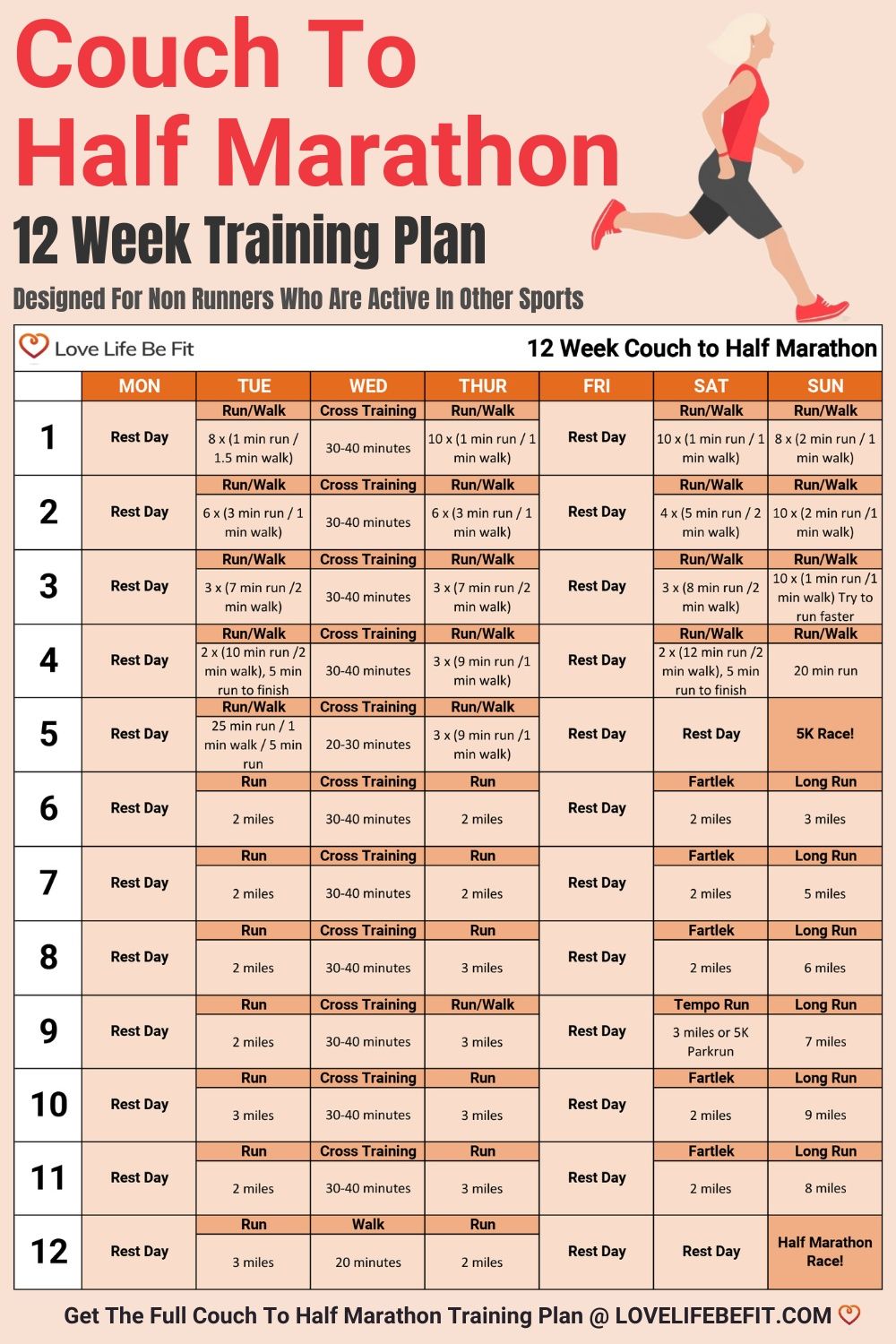
Transitioning from a couch-dweller to a half marathon runner requires a meticulously structured training plan. A frequently recommended approach is the 12-week training plan, which gradually builds your endurance through a combination of running, cross-training, and rest days. The cornerstone of this plan includes a mix of long runs, short runs, and recovery runs. You might model your training schedule after iconic sports figures like Michael Jordan, practicing your drills and steadily building your skills.
Sample Weekly Training Plan:
- Monday: Rest Day or Light Cross-Training (Yoga, Swimming)
- Tuesday: Short Run (3-4 miles at an easy pace)
- Wednesday: Cross-Training (Cycling, Strength Training)
- Thursday: Tempo Run (5 miles, establishing a challenging but sustainable pace)
- Friday: Rest Day
- Saturday: Long Run (Start with 5 miles and increase distance weekly)
- Sunday: Recovery Run (2-3 miles or additional cross-training)
**Step 4: Equip Yourself**
As you prep for this journey, ensure that you have the appropriate gear. Think of it as assembling your superhero costume, akin to how Thor wields Mjolnir. A good pair of running shoes designed for your foot type is crucial in preventing injuries and providing support. Additionally, consider moisture-wicking clothing that will keep you comfortable during those long training runs.
**Step 5: Nutrition Matters**
Your diet is the fuel that will power your running. Emulate the meticulous dietary habits of athletes like Serena Williams and invest time in understanding proper nutrition. Focus on a balanced intake of carbohydrates, proteins, and healthy fats; complex carbohydrates should become your best friends, providing the energy you need. Hydration is equally important. Aim to drink water consistently throughout the day, and consider electrolyte solutions for longer runs.
**Step 6: Listen to Your Body**
During your training, listening to your body is paramount. Like Gandalf, who carefully chose his battles, you must recognize your limits and avoid pushing too hard, too fast. Pay attention to signs of fatigue, soreness, and any lingering injuries. Incorporate rest days into your training schedule, as they are just as vital as your running days, allowing muscles to repair and grow.
**Step 7: Mental Preparation**
No one ever mentioned running a half marathon would be easy. The mental aspect of this journey is as essential as the physical training. Cultivate mental fortitude through techniques such as visualization—picture yourself effortlessly completing the race, just as Katniss Everdeen expertly navigated the Hunger Games. Consider utilizing mantras, motivational quotes, or podcasts to fortify your resolve. Remember, in running, as in life, perseverance is key.
**Step 8: Test Yourself**
As your training progresses, it’s crucial to gauge your progress. Sign up for smaller races, like a 5K or 10K, to experience the atmosphere of competition and hone your racing strategy. These events will help you acclimatize to the exhilarating excitement of race day. Test out your gear, nutrition strategies, and pacing to determine what works best for you.
**Step 9: Race Day Preparations**
As you approach the race day, meticulous planning becomes indispensable. Layout your outfit, equipment, and nutrition the night before—much like Hermione Granger preparing for her classes. Get ample sleep, as rest will enhance your performance. On the day of the race, stick to familiar routines to ensure you’re mentally and physically prepared for the challenge ahead.
**Conclusion: The Journey Awaits**
With diligence, patience, and the right tools, you can embark on this exciting journey from the couch to running a half marathon. As you lace up your running shoes and set out on your first training run, remember that each mile will be an opportunity for personal growth and accomplishment. Embrace the journey ahead, for it will not only challenge your body but also inspire your spirit to reach new heights. So, take that first step, and let the adventure begin!