Are you tired of flowers wilting and losing their vibrant hues shortly after they’ve been gifted or picked? Do you yearn to preserve the beauty of those delicate blossoms for years to come? Think again! Instead of letting them fade into oblivion, flower drying with silica sand offers a remarkable solution for capturing blooms at their peak. This transformative process not only sustains their aesthetic appeal but also imbues a unique charm to your home décor.
Dried flowers exhibit a timeless elegance, bringing nature indoors while simultaneously evoking nostalgia. From bouquets received on special occasions to blossoms nurtured in your garden, preserving these floral treasures can be an art form in itself. Silica gel presents an effective and efficient medium for drying flowers, and in this article, we’ll delve into the ins and outs of this intriguing preservation technique.
Understanding Silica Gel
Silica gel is a granular, porous material made of silicon dioxide. Commonly used as a desiccant, it absorbs moisture from its surroundings, thereby inhibiting the degradation of organic materials. Its application in the world of flower preservation is not only practical but also scientifically advantageous, as it helps to retain the color and structure of the petals, ensuring that the original beauty remains intact.
Gathering Your Materials
To embark on your flower drying journey, you’ll need a few essential materials:
- Fresh Flowers: Select blooms that are just starting to open for optimal results. Flowers such as roses, lavender, and daisies work particularly well.
- Silica Gel: Purchase silica gel from craft stores or online. Ensure it is undyed to avoid any unwanted color transfers to your flowers.
- Container: A sturdy, airtight container is crucial for the process. Shallow boxes work best, as they allow even coverage of silica gel.
- Optional: Tweezers for careful placement and retrieval of flowers.
Step-by-Step Process
Follow these simple steps to successfully dry your flowers with silica gel:
- Preparation: Begin by trimming the stems of your chosen flowers to the desired length. Remove any excess foliage to allow the silica gel to encapsulate the blooms effectively.
- Layering Silica Gel: Pour a layer of silica gel into the bottom of your container, roughly one inch deep. Ensure that the layer is even—this initial base will support the blossoms.
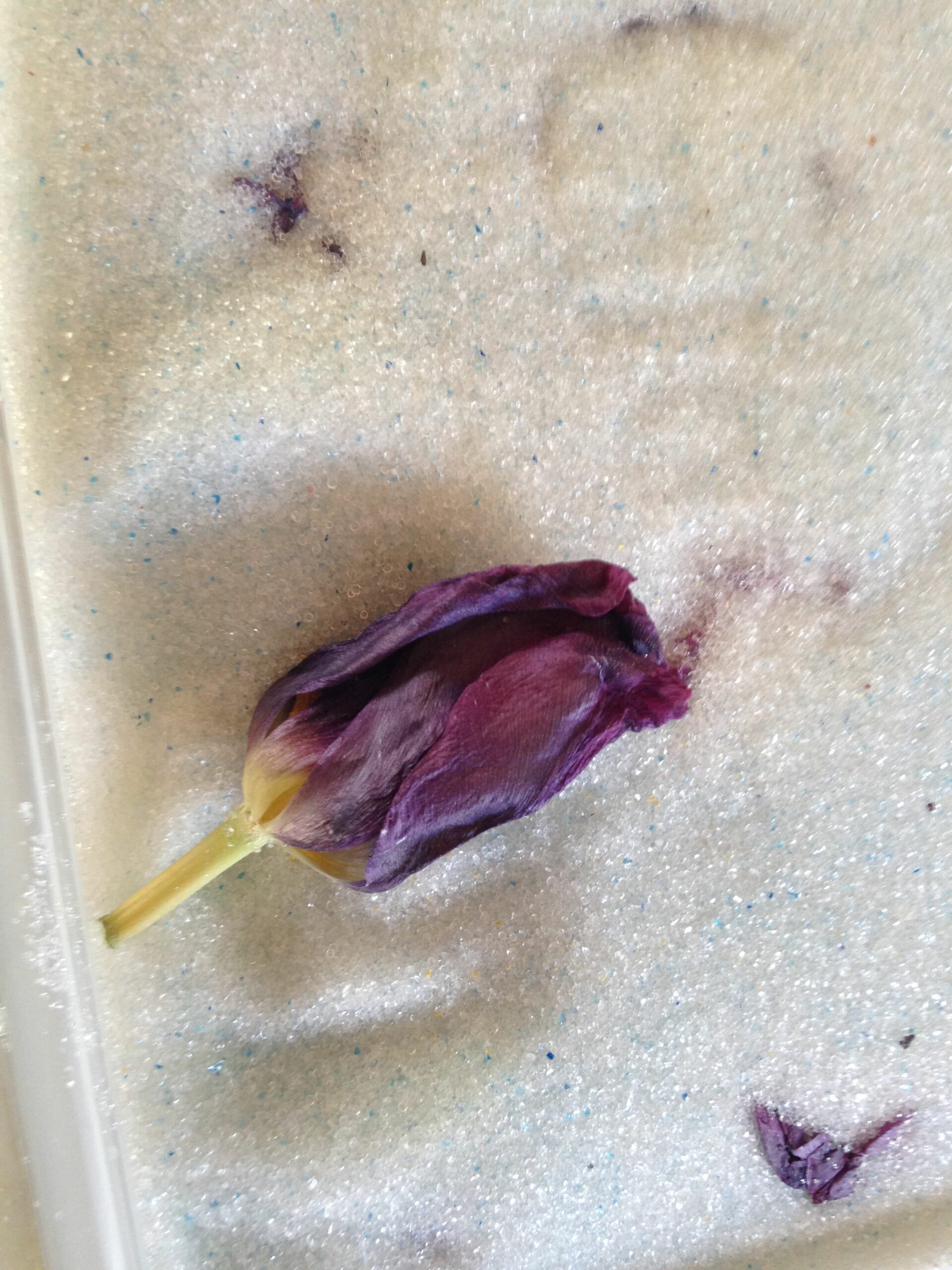
- Placement: Carefully lay your flowers on top of the silica gel, making certain they do not touch one another to avoid flattening. Allow creativity to reign here; arrange them as artfully as you desire.
- Encapsulation: Once the flowers are placed, cover them gently with additional silica gel. Pour the granules slowly, ensuring each petal and leaf is encapsulated without crushing.
- Sealing: Seal the container tightly to prevent moisture from infiltrating. Allow the arrangement to rest undisturbed for about 2-3 days, giving the silica gel ample time to absorb moisture from the flowers.
- Uncovering Your Blooms: After the waiting period, carefully remove the flowers. Use tweezers to extract them from the silica gel without damaging their delicate structures. Brush off any residual silica granules with a soft brush or cloth.
Displaying Your Dried Flowers
Once dried, the flowers can be showcased in various captivating ways. Consider arranging them in glass vases, creating stunning wall hangings, or crafting wreaths. Their muted colors and preserved shapes can blend beautifully into your home environment, lending an organic sophistication to your décor.
For added protection, consider spraying your dried flowers with a clear acrylic sealer. This can help to maintain their integrity, preventing any potential brittleness and further preserving their beauty over time. A gentle dusting every now and then will ensure they remain pristine, allowing you to savor their splendor for as long as possible.
Considerations and Tips
While the process of drying flowers with silica gel is relatively straightforward, a few considerations will enhance your overall experience:
- Timing: Always monitor the drying process; some flowers may require more or less time depending on their moisture content and thickness.
- Temperature: Avoid placing your container in areas with high heat or humidity, as this could inhibit the absorption process.
- Experimentation: Don’t hesitate to try different types of flowers. Some may yield more vibrancy than others, and experimenting can lead to delightful discoveries.
Flower drying with silica gel not only supports the preservation of your floral treasures but also enables creativity in displaying these works of nature. So why let beautiful blooms wither away when you have the ability to encapsulate their splendor? Transform your approach to flowers, and embrace the enchanting art of drying with silica sand. Your home will thank you for it!