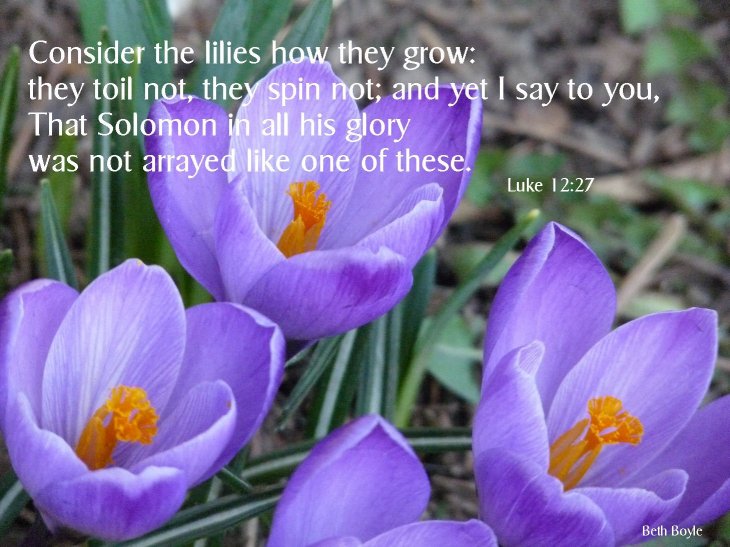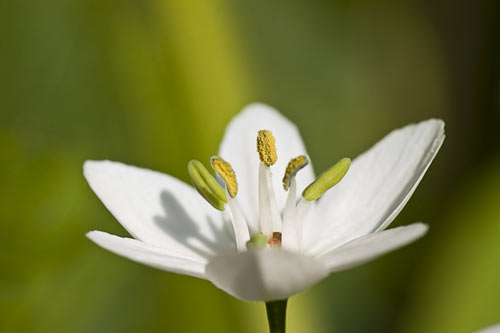
Nature’s splendor is a veritable tapestry of intricate textures and shapes, particularly when it comes to the botanical world. Capturing plants up close, especially their fuzzy textures, can be a revelatory experience that transcends mere observation. Morphing the minuscule into a mesmerizing subject of photography invites both inspiration and motivation. This realm of the natural world, often overlooked, beckons the ardent photographer to explore the delicate nuances found within each leaf, flower, and stem. With each click of the shutter, a new story unfurls, revealing the symphony of colors and textures that make plants truly enchanting.
In the abyss of lush greenery, one discovers a myriad of fuzzy textures that hold the capacity to invoke emotions and provoke thought. The velvety touch of a leaf, the gossamer fuzz of a flower petal, or the prickly embrace of a succulent captures not only our imagination but can also serve as a window into the ecosystem that sustains life. For photographers, the challenge lies in artfully capturing these nuances, emphasizing both the aesthetic and the scientific aspects in their work.
As one embarks on this photographic journey, various strategies can enhance the process of creating stunning close-up images of plants and their fuzzy textures. Here are several key elements to consider:
1. Selecting the Right Equipment
Investing in a good macro lens can significantly elevate your close-up photography game. Unlike a standard lens, a macro lens allows you to focus at much closer distances, unveiling the intricate details of your subject. This optical tool reveals a world often invisible to the naked eye. In addition to a macro lens, consider using a tripod for stabilization, especially in low-light situations. The prevention of any motion blur becomes critical when working at such close ranges.
2. Understanding Lighting
The finesse of capturing fuzzy textures lies in mastering the art of lighting. Natural light is often the best friend of plant photography. Early mornings or late afternoons provide a soft, golden light that harmonizes beautifully with the subject matter. However, when the sun is high, employing diffusers can help soften harsh shadows and illuminate the delicate fibers of plant surfaces. Experiment with backlighting as well; this approach might allow the light to filter through fluffy petals, accentuating their contours.
3. Composition Techniques
In photography, composition is the fulcrum upon which aesthetic value teeters. Rule of thirds can be a handy guideline, but don’t hesitate to break it when a unique perspective beckons. Immerse yourself in the details; sometimes, zooming in on a single fuzzy leaf can evoke a stronger emotive response than a broader shot of the entire plant. Consider varying perspectives as well; a low angle shot can yield dramatic results, emphasizing the grandeur of the flora while showcasing its intricacies.
4. Focusing on Details
When capturing fuzzy textures, it’s crucial to focus on the minutiae that define the subject. Pay attention to the dew drops that cling to the soft surfaces or the way light dances upon the fine hair of a flower. These details not only amplify the visual storytelling but also provide a sensory element that draws viewers in. Utilizing a shallow depth of field can further isolate your subject from the background, enhancing the focus on those delicate textures.
5. Post-Processing Magic
While the capture is paramount, the editing phase should not be underestimated. Programs like Adobe Lightroom or Photoshop offer an extensive array of tools that can amplify the natural beauty of your photographs. Adjusting contrast can enhance the textures, while selective sharpening can draw attention to the intricate details of the fuzziness. However, be cautious; over-processing can lead to unnatural images that stray too far from the authentic essence of your subject.
6. Exploring Subject Matter
Diversity is the spice of life, and so it is with plant photography. From soft, fuzzy leaves of lamb’s ear (Stachys byzantina) to the downy petals of the peony, each plant holds its unique identifiers. By exploring a wide array of textures, you can compile a portfolio rich in variety, allowing you to reflect on the captivating differences that exist in the plant kingdom. Take time to wander through gardens, nature trails, or even your own backyard to discover hidden gems waiting to be immortalized.
7. Reflecting on Inspirations
As you cultivate your skills in capturing fuzzy textures, it’s essential to let the inspirations around you seep into your practice. Nature itself is an endless source of motivation; draw from the legacy of legendary photographers who have ventured into this realm. Their work can serve as a guide to finding your style and voice. Remember, every image you capture is a testament to the beauty of the world, a celebration of its often overlooked details. Allow yourself to be inspired by both the grandeur and the minute, for therein lies the heart of botanical photography.
In summation, delving into the realm of fuzzy textures in plant photography unveils an extraordinary world brimming with potential. By employing the right equipment, understanding the nuances of lighting and composition, and reflecting upon various subjects and inspirations, you can elevate your photographic practice. This approach not only enhances your artistry but also fosters a deeper connection with the botanical universe. So, venture forth, camera in hand, and immerse yourself in the wonder of the fuzzy textures that await your discovery.