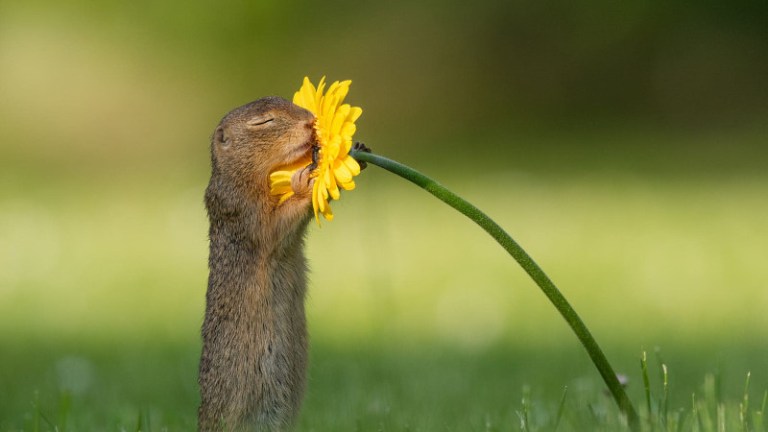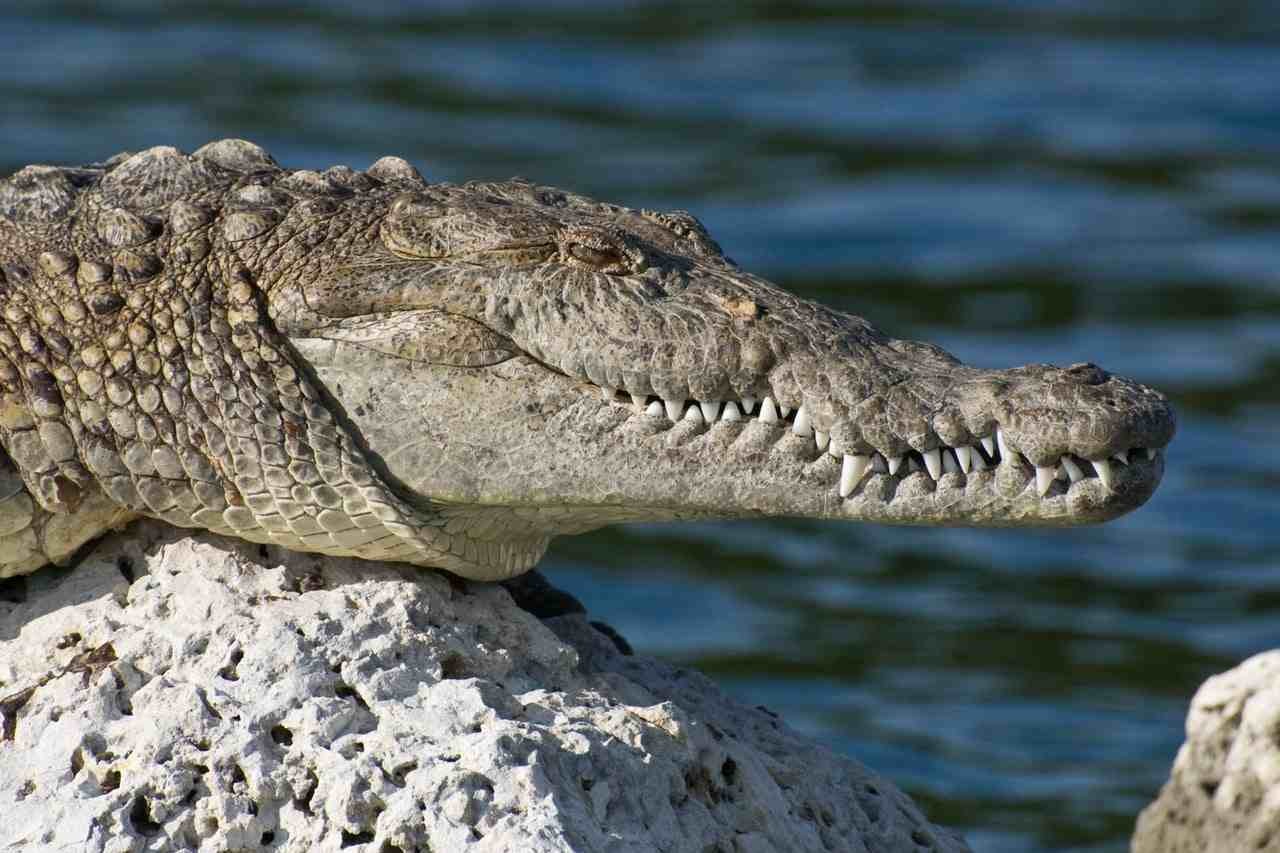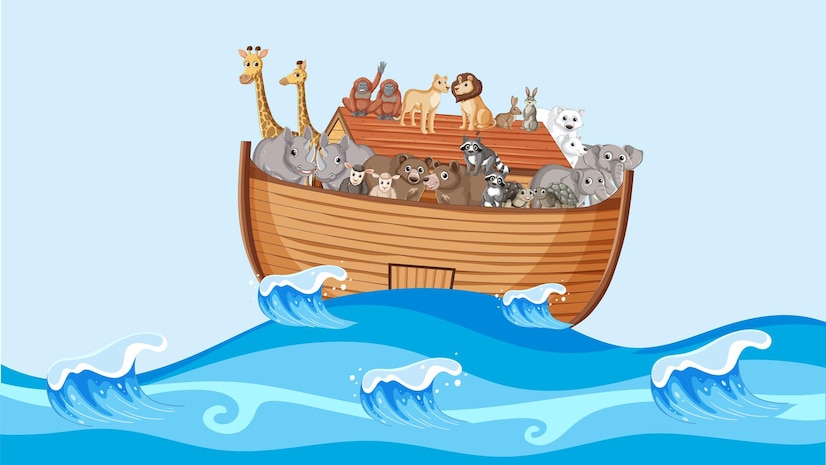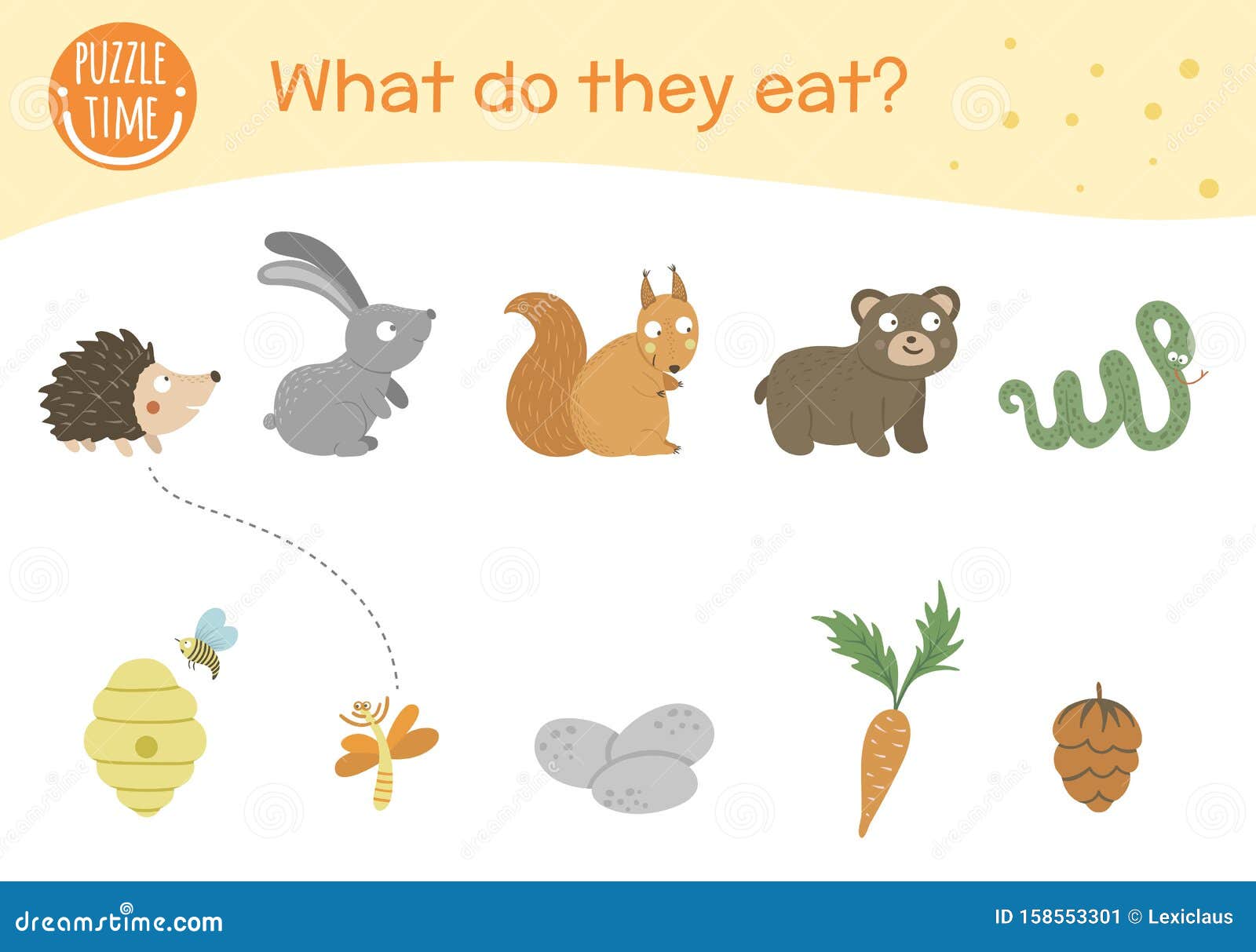
Eating is an essential activity for survival, yet the myriad ways in which animals consume their food often escape our focus. It’s easy to envision the stereotypical imagery of a lion devouring its prey or a cow peacefully grazing. However, what if we expanded our understanding? What if we saw beyond these conventional representations to explore the fascinating and diverse methods by which creatures of all kinds munch their sustenance? In this article, we will delve into the intricate and sometimes astonishing feeding behaviors observed in the animal kingdom, illuminating not only the mechanics of their consumption but also the underlying adaptations that drive these methods.
1. The Intricate Mechanics of Herbivory
Herbivores are a compelling group when examining eating habits. They primarily consume plant matter, requiring specialized anatomical adaptations to assist in processing fibrous materials. Take, for instance, the remarkable adaptations of the giraffe. With its long neck and prehensile tongue, this creature can deftly navigate the treetops, selectively reaching the most nutritious foliage. Behind this seemingly simplistic act lies a complex arrangement of the digestive system, featuring a multi-chambered stomach that ferments plant material, enabling the extraction of essential nutrients efficiently.
Conversely, consider the strategy employed by elephants. These gentle giants exhibit a different approach, using their trunks to uproot plants and consume vast quantities of vegetation daily. Their molars are uniquely designed for grinding, equipped with ridged surfaces that effectively pulverize tough plant fibers. This diversity in herbivorous feeding methods illustrates the various evolutionary pathways undertaken by species to optimize their diets.
2. Carnivorous Precision: The Art of Predation
On the opposing end of the dietary spectrum lies the realm of carnivores. These animals have honed their skills as predators, employing a range of techniques to subdue their prey. Hawks, for instance, are not merely skilled fliers; they possess extraordinary visual acuity, allowing them to spot movement from great distances. Once their target is identified, they execute a breathtaking aerial dive, talons extended. The precision of their attack is a testament to the efficiency with which they obtain their meals.
In contrast, the strategies of pack hunters like wolves are particularly intriguing. They utilize collaborative strategies to hunt, demonstrating remarkable social behaviors. Through vocalizations and body language, wolves coordinate their movements to outmaneuver and isolate prey. This complex interplay showcases not only their physical capabilities but also the cognitive skills necessary to work as a cohesive unit. Once the prey is captured, the act of eating becomes a communal affair, reinforcing social bonds among pack members.
3. The Surprising Adaptations of Omnivores
Omnivores, such as bears and raccoons, exhibit a fascinating blending of feeding strategies. They are not bound by a single food group but instead adopt versatile diets, feeding on plants, small animals, and even human refuse at times. This adaptability allows them to thrive in varying environments. Consider the black bear, which utilizes its acute sense of smell to locate food sources. From devouring berries to scavenging carrion, their foraging behavior underscores a remarkable flexibility that is crucial for survival in the face of seasonal changes.
Raccoons also demonstrate an aptitude for opportunistic feeding. Known for their dexterous paws, they manipulate their environment to access food. This adaptability is emblematic of their intelligence; raccoons have been observed employing tools, such as rocks, to crack open shellfish. Their ability to innovate in search of sustenance embodies a unique intersection of instinct and learned behavior.
4. Marvelous Mechanisms of Filter Feeding
Exploring less traditional feeding methods brings us to the intriguing world of filter feeders. Creatures like baleen whales and certain species of mollusks possess unique adaptations for extracting tiny food particles from water. Baleen whales, for instance, have rows of baleen plates that act as sieves. They take in massive gulps of seawater, then expel it, trapping krill and small fish within the baleen, which they subsequently swallow. This passive feeding mechanism allows these colossal animals to consume vast quantities of food with minimal effort.
Similarly, certain bivalves, such as clams and mussels, filter nutrients from the water. They create a current through their siphons, drawing in water laced with plankton and detritus. This method of obtaining nourishment is a remarkable testament to the diverse evolutionary adaptations found in aquatic environments.
5. The Striking World of Parasitism
Not all eating habits are predicated on conventional consumption. The parasitic lifestyle adopted by organisms such as tapeworms offers an unorthodox perspective on feeding. These creatures embed themselves within the digestive tracts of their hosts, absorbing nutrients directly from ingested food. Although this method is highly specialized and often detrimental to the host, it illustrates the remarkable extremes to which some organisms will go to sustain themselves.
Such parasitic behavior raises questions about the nature of survival and the various strategies employed by life forms on Earth. It sheds light on the intricate web of ecological interactions, where the act of eating transcends simple consumption to become a complex interplay of dependency and adaptation.
Conclusion
The ways in which animals consume their food are as varied as the species themselves, showcasing the incredible adaptations that have evolved over millions of years. From the intricate mechanics of herbivory and predatory prowess of carnivores to the versatility of omnivores and the unique methods of filter feeders and parasites, the diversity of feeding behaviors is a testament to nature’s ingenuity. As we gain a more nuanced appreciation of these processes, we not only become more informed observers of the animal kingdom but also develop a deeper understanding of the intricate connections that bind all living beings in their quest for sustenance.