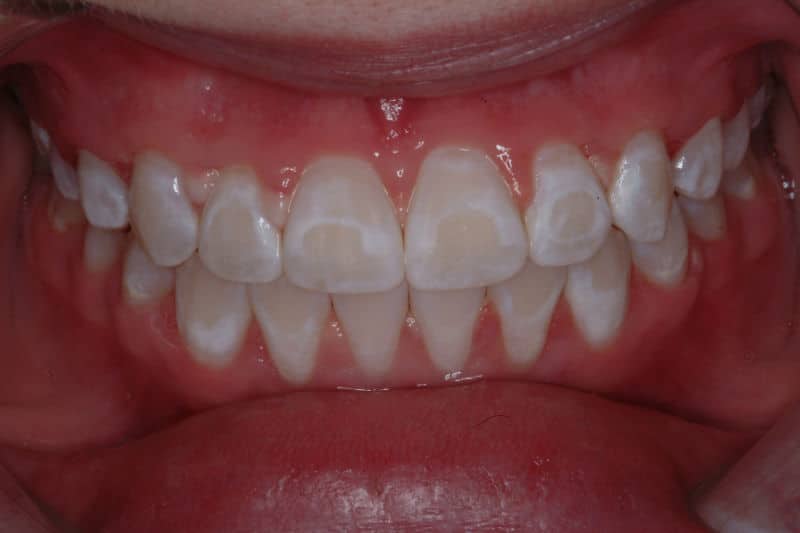
Encountering white spots on teeth can certainly dampen one’s mood, especially when you’re striving for that flawless, radiant smile. Fortunately, understanding the causes and exploring the available treatments can turn this situation into a mood-boosting experience. Rather than allowing these blemishes to compromise your confidence, consider them an invitation to delve into the intricate world of dental health. Herein lies a detailed exploration of how to effectively remove white spots on teeth, deciphering their origins and illuminating viable remedies.
White spots can manifest on teeth for various reasons, and discerning these causes is paramount for devising an effective treatment plan. The most prevalent culprits include enamel hypoplasia, fluorosis, and even demineralization due to poor oral hygiene habits.
Enamel hypoplasia refers to a developmental condition in which the enamel does not fully form. This failure leads to thinner enamel, making the underlying dentin more visible and resulting in those telltale white spots. Contributing factors can include nutritional deficiencies during formative years, trauma to primary teeth, or certain illnesses during infancy. Additionally, excessive fluoride exposure during tooth development—often termed dental fluorosis—can lead to the appearance of these unsightly white patches.
Demineralization, often the result of inadequate oral hygiene, reflects a concerning early-stage process in which the minerals within the enamel begin to break down, leading to tooth decay. This scenario is usually accompanied by an acidic environment in the mouth, nurtured by sugary foods and beverages that promote bacterial growth. Understanding these underlying issues is crucial; it allows individuals to tackle the white spots with a multi-faceted approach that addresses root causes rather than merely treating symptoms.
Having delved into the causes, it’s time to explore effective strategies and treatments to combat white spots on teeth. Depending on the severity and underlying cause, options range from at-home remedies to professional interventions.
1. **Enhance Oral Hygiene**: First and foremost, reinforcing your daily oral hygiene regimen is vital. Brush teeth at least twice a day with fluoride toothpaste, which aids in remineralization. Flossing daily can eliminate plaque and debris from between your teeth. Be vigilant; adopting an impeccable oral care regimen is the cornerstone of maintaining a healthy smile.
2. **Fluoride Treatments**: For those afflicted by demineralization, fluoride treatments can prove beneficial. Many dentists offer topical fluoride applications to strengthen enamel and reverse early decay. These treatments can bolster the tooth’s resistance to acid attacks, thereby fostering an environment conducive to the elimination of white spots.
3. **Microabrasion**: If the white spots persist, microabrasion, a cosmetic dental procedure, may be a viable option. This technique involves the removal of a thin layer of enamel to diminish the appearance of superficial defects. Using a combination of abrasion and acid, dental professionals can effectively smooth the affected area, thereby enhancing its aesthetic appeal.
4. **Teeth Whitening**: Intriguingly, teeth whitening may also be advantageous for individuals with white spots. While it may seem counterintuitive, whitening treatments can help blend the shades of the tooth, making the spots less conspicuous. However, this solution is most applicable for mild cases; for those with pronounced white spots, consulting with a dental professional before embarking on this journey is wise.
5. **Porcelain Veneers**: In scenarios where white spots are particularly stubborn or extensive, porcelain veneers can serve as a transformative solution. Custom-crafted to fit over the natural teeth, veneers effectively mask imperfections and impart a flawless appearance. While this route involves a higher financial commitment, the aesthetic returns can be well worth it.
6. **Diet Adjustments**: A proactive approach also entails re-evaluating dietary habits. Foods with low acidity can help maintain a neutral pH in the mouth, which is less conducive to the formation of bacteria. Likewise, integrating calcium-rich foods can fortify enamel. The delicate balance of nutrients can have a considerable impact on dental health.
7. **Regular Dental Check-Ups**: Regular consultations with a dental professional facilitate the early detection of issues and prompt intervention. Dentists can provide personalized recommendations based on individual circumstances, ensuring that you remain on the right path toward maintaining oral hygiene and rectifying white spot concerns.
Despite the challenges presented by white spots on teeth, a multitude of viable solutions allows individuals to effectively navigate this conundrum. With an amalgamation of diligent oral hygiene practices, professional treatments, dietary mindfulness, and periodic dental visits, reclaiming a luminous smile is entirely achievable. Remember that a radiant smile not only enhances one’s appearance but also uplifts the spirit; viewing white spots as an opportunity for proactive dental care may just lead to that much-desired mood boost. Embark on this transformative journey toward eliminating white spots and embrace the smile you deserve.