When it comes to the intricate tapestry of human relationships, the interplay of celestial bodies can significantly influence emotional dynamics. One of the most compelling aspects of astrological compatibility is the Moon’s role in synastry, the astrological study of how planets interact within two natal charts. Offering a more nuanced perspective, this exploration delves into how Moon placements resonate with emotional bonding, guiding us toward a deeper understanding of romantic and platonic connections.
The Moon in astrology symbolizes our innermost feelings, subconscious reactions, and nurturing instincts. It represents the realm of emotions, intuition, and instinctual behaviors. Thus, when analyzing synastry, the positions of the Moons in two individuals’ charts serve as pivotal points of connection—or disconnection—that can ultimately define the emotional foundation of their relationship.
The Moon’s aspects to one another can illuminate a variety of emotional interactions. For instance, when one partner’s Moon makes a harmonious aspect—such as a trine or sextile— to the other partner’s Moon, there is typically a feeling of emotional ease and mutual understanding. This connection can engender a sense of support and safety, signaling that both individuals instinctively grasp each other’s emotional needs. A trine in particular suggests a natural flow of energy, where both parties can provide the emotional sustenance that cultivates a nurturing environment. The connection feels almost effortless, a gentle reminder of the emotional depth they share.
Conversely, challenging aspects—like squares or oppositions—between the Moons can lead to complexities in emotional sharing. This doesn’t necessarily spell doom for a relationship, but it does indicate areas that may require more conscious effort. For example, square aspects can breed tension, as each partner may trigger unresolved emotional issues in the other. This dynamic, while uncomfortable, can also serve as a catalyst for growth if both partners are willing to confront and navigate these emotional landmines thoughtfully.
Diving deeper into the nuances, the elemental nature of the Moon signs—Fire, Earth, Air, and Water—provides further layers of understanding in synastry. Fire Moons, like Aries or Leo, flourish in passionate connections, often seeking excitement. When paired with Water Moons, such as Cancer or Pisces, they can either ignite deep emotional intensity or lead to misunderstandings if the Water Moon’s delicate nature is overwhelmed by the Fire Moon’s fiery enthusiasm. In these dynamics, emotional expression needs to strike a delicate balance to foster healthy interaction.
In instances where an Earth Moon, like Taurus or Capricorn, interacts with an Air Moon—think Gemini or Libra—there can be insightful exchanges. Earth Moons can ground the airy, often scattered thoughts of Air Moons, providing structure, while Air Moons can introduce a level of lightness that Earth Moons may sometimes neglect. This combination highlights the beauty of contrast within emotional bonds, showcasing how complementary energies can yield a holistic approach to emotional nurturing.
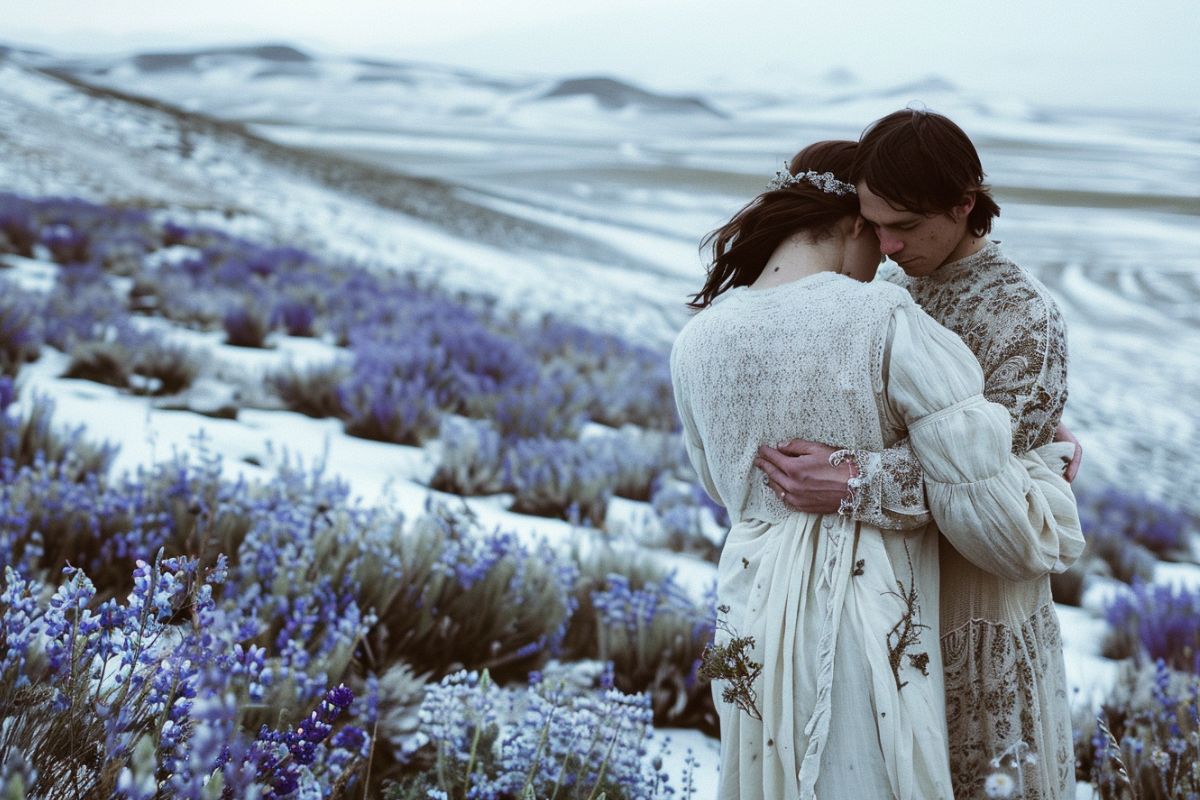
Another fascinating facet of Moon synastry lies in the conjunction aspect. When two Moons are in the same sign, the emotional needs, responses, and nurturing styles are closely aligned. This alignment can create a profound sense of belonging and understanding, allowing both individuals to feel that their emotional language resonates on a deep level. Such a relationship often resembles a safe haven, where emotional expression is both encouraged and supported.
Nevertheless, it is crucial to consider the entire natal chart for a comprehensive understanding of a relationship. While Moon synastry can reveal rich emotional layers, other planetary relationships contribute significantly to relational dynamics as well. For example, the influence of Venus can shape expressions of love and affection, while Mars may reveal how partners assert themselves. Analyzing these elements holistically enables one to appreciate the symphonic complexity of human connections.
Furthermore, the Moon’s phase at birth can also impact how emotions are expressed in a relationship. A person born during a New Moon may approach their emotional world with optimism and renewed passion, whereas someone born at a Full Moon may experience heightened emotional awareness and complexity in relationships. These phases lend themselves to distinct energetic qualities that can either harmonize or clash when placed in a relational context.
Now, let’s contemplate the importance of emotional trust within these synastry dynamics. A strong emotional bond nurtured by Moon connections often empowers partners to rely on each other, fostering an environment conducive to vulnerability. When partners can trust that their emotional expressions will be met with understanding, they are more likely to explore the depths of their individual and shared emotional landscapes. This trust is not merely foundational; it acts as a catalyst for emotional growth, enabling both individuals to evolve within the relationship.
Lastly, it’s significant to acknowledge that synastry is not an immutable fate. While the cosmic influences can guide emotional interactions, the choices and consciousness of the individuals involved ultimately shape the course of any relationship. Recognizing the role of personal agency within astrological paradigms empowers one to harness the insights gleaned from Moon and emotional bond synastry, leading to more fulfilling connections.
In summation, the study of Moon and emotional bonds in synastry offers profound insights into how we connect, nurture, and develop emotionally within interpersonal relationships. By exploring the nuances of aspect interactions, elemental compatibility, and individual chart dynamics, we can cultivate a deeper understanding of ourselves and our emotional landscapes, ultimately supporting healthier and richer relational experiences.