When it comes to automotive maintenance, understanding the intricacies of your vehicle’s systems can save you time, money, and a considerable amount of frustration. Among the myriad of components that contribute to a vehicle’s functionality, the fuel pump plays an indispensable role. A malfunctioning fuel pump can lead to a plethora of issues, from diminished performance to complete engine shutdown. This article will explore the signs of a bad fuel pump, how to diagnose the problem, and potential remedies to restore your vehicle’s vigor. Readers can anticipate in-depth explanations, helpful tips, and insightful diagnostics that cater to various levels of automotive knowledge.
To appreciate the nuances of fuel pump failures, it is essential first to acknowledge what a fuel pump does. Its primary duty is to transport gasoline from the fuel tank to the engine, ensuring that the fuel system operates at optimal pressure. When this vital component falters, the repercussions can be dire, affecting not just your vehicle’s performance but potentially leading to further complications. Early detection is crucial, so recognizing the warning signs of a failing fuel pump should be the first step for any vigilant vehicle owner.
One of the most conspicuous indicators of a faltering fuel pump is erratic starting. If your vehicle struggles to start, or if it requires multiple attempts before the engine finally purrs to life, this could be an early sign of fuel delivery issues. You may turn the key and hear the starter engage, but if the engine doesn’t catch immediately, the fuel pump may not be supplying the necessary pressure required for ignition. This signal should not be dismissed, especially if it occurs regularly.
Furthermore, if your vehicle experiences stalling, this could signify that the fuel pump is on its last legs. Stalling can happen abruptly, and while it may occur at idle, it can also transpire during acceleration or when navigating a turn. This symptom arises because the fuel pump is incapable of maintaining adequate fuel pressure, resulting in insufficient fuel flow to the engine. Should this occur frequently, further investigation is warranted.
Another red flag is a noticeable decrease in engine performance. This includes sudden and inexplicable declines in acceleration power. A vehicle that struggles to reach speed or cannot maintain a set speed might be experiencing inadequate fuel flow due to a failing pump. Furthermore, you may notice engine sputtering, particularly during high acceleration, which indicates that the engine is faltering due to inconsistent fuel delivery.
Pay attention to the sounds your vehicle emits, as they can reveal much about its operational state. A fuel pump typically operates quietly; however, if you hear unusual noises—such as whining or howling—this could be indicative of impending failure. Such sounds often mean that the pump is working harder than it should, potentially due to a clog or internal damage that could compromise its functionality.
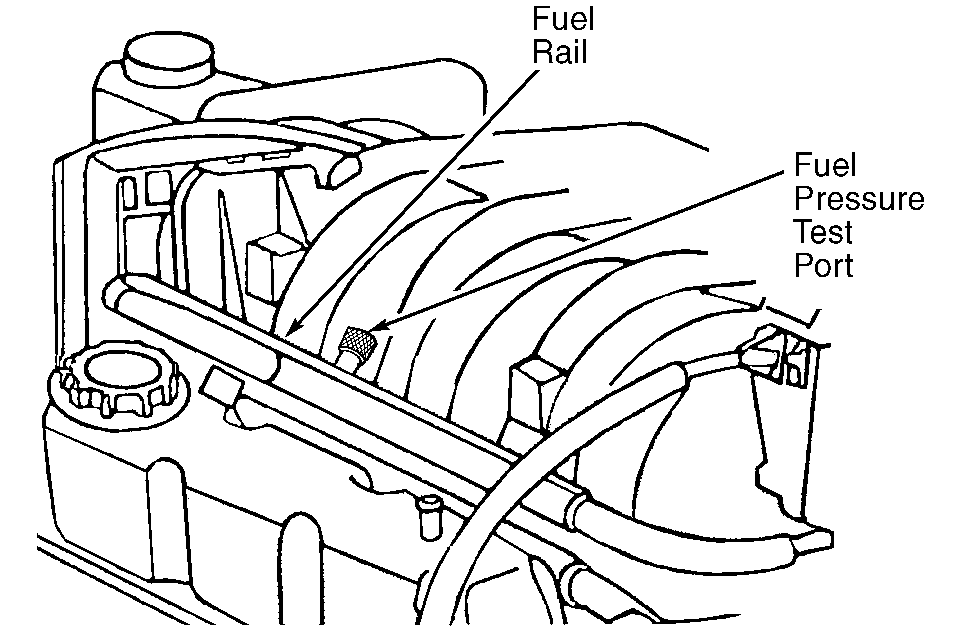
Now that you are familiar with the signs, the process of diagnosing a bad fuel pump entails several steps, each aimed at pinpointing the exact issue. First, consider conducting a fuel pressure test. This is typically performed by a qualified mechanic but can be tackled by those familiar with automotive repairs. By connecting a pressure gauge to the vehicle’s fuel rail, you can accurately measure the fuel pressure. If the pressure reading falls below the manufacturer’s specifications, it is a strong indicator that the fuel pump is malfunctioning.
In addition to pressure tests, inspecting the fuel filter is vital. A clogged fuel filter can obstruct fuel flow to the engine and create symptoms that mimic a failing fuel pump. Replacing a dirty or clogged filter is a relatively simple and cost-effective fix, which can sometimes alleviate the symptoms of a struggling fuel pump. Always ensure to check the age and condition of both the fuel filter and pump.
If you ascertain that the fuel pump itself is faulty, the next step is to consider replacement. While possible DIY repairs can save money, depending on your comfort level and expertise, some vehicles have more complex fuel pump systems that *necessitate* professional assistance. Replacing a fuel pump typically involves draining the fuel tank, removing the tank, and then accessing the pump assembly. It’s critical to follow the manufacturer’s guidelines when performing this replacement to ensure that the new pump functions seamlessly within the existing system.
Moreover, it is wise to consider preventative measures to prolong the lifespan of your fuel pump. Regular maintenance, including timely fuel filter replacements, can significantly extend the pump’s longevity. Keeping your fuel tank at least a quarter full can also mitigate the risk of overheating the pump, as it relies on the cooling properties of the fuel itself.
In conclusion, the fuel pump is a crucial element of your vehicle’s functionality. Recognizing and diagnosing the signs of a bad fuel pump not only ensures your vehicle performs optimally but can also prevent further repairs that could arise from neglecting the initial warning signs. Whether you tackle these issues yourself or seek professional help, proactively addressing fuel pump concerns will help maintain your vehicle’s performance for years to come.