In the realm of modern architecture and building design, the concept of creating optimal indoor climates has transcended mere aesthetics to become a paramount concern for health, comfort, and energy efficiency. Among the myriad of tools designed to regulate air quality and temperature, temperature-controlled exhaust fans have emerged as a particularly intelligent solution. As buildings increasingly become more airtight to enhance energy efficiency, the need for effective ventilation systems has grown concurrently, giving rise to innovative approaches like temperature-controlled exhaust fans. These devices not only mitigate potential health risks associated with inadequate ventilation but also result in substantial energy savings and improved comfort levels within enclosed spaces.
Temperature-controlled exhaust fans operate on a fundamental principle: they leverage temperature differentials to facilitate the efficient expulsion of indoor air. By doing so, they help to maintain a balanced environment, particularly in spaces where heat and humidity can accumulate, leading to discomfort or even structural deterioration over time. These fans are equipped with sensors that monitor indoor temperatures and adjust airflow accordingly, thus optimizing the ventilation process without requiring manual intervention. Thus, they embody the fusion of technology and practicality, enabling users to enjoy both convenience and performance.
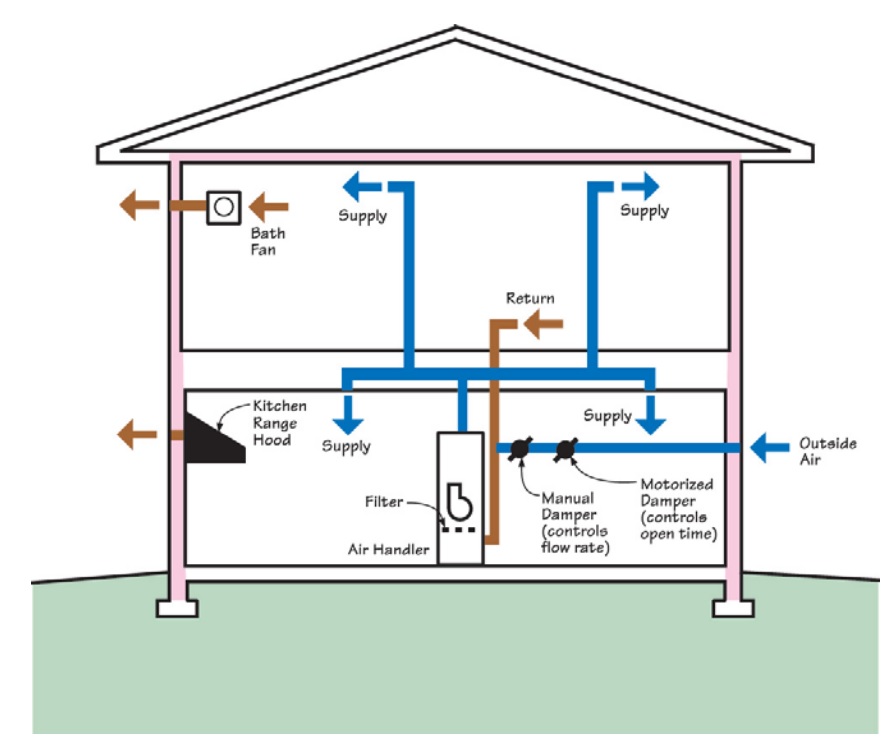
The mechanism of a temperature-controlled exhaust fan is ingeniously simple yet profoundly effective. At its core, the fan comprises a motorized unit integrated with thermoelectric sensors that detect both ambient indoor temperatures and external conditions. Once the set threshold is reached, the fan automatically activates, expelling warmer, stale air while simultaneously drawing in cooler, fresher air from outside. This dynamism not only flushes contaminants and excess moisture from the indoor environment but also contributes to enhanced energy efficiency by reducing the burden on heating, ventilation, and air conditioning (HVAC) systems.
One of the primary benefits of embracing temperature-controlled exhaust fans within building designs is the dramatic improvement in air quality. Poor indoor air quality is a pressing concern that can contribute to various health issues, including respiratory ailments, allergies, and headaches. Traditional ventilation methods, often reliant on passive airflow, may not suffice in addressing the challenges posed by modern airtight construction. This is where the sophistication of temperature-controlled systems comes into play. By consistently renewing the air within a structure, these fans help to mitigate the buildup of pollutants, volatile organic compounds (VOCs), and excess humidity, thereby fostering a healthier living environment.
Beyond health improvements, energy efficiency stands as another compelling argument for the deployment of temperature-controlled exhaust fans. In a world increasingly driven by sustainability and ecological responsibility, these fans represent an intelligent way to optimize energy consumption. By expelling excess heat and moisture, they minimize the workload on HVAC systems, leading to reduced energy expenditure. This direct correlation between effective air management and lower energy costs not only benefits individual users but also contributes to a broader movement toward greener building practices.
Moreover, the versatility of temperature-controlled exhaust fans further enhances their appeal. They are suitable for a diverse range of applications, from residential dwellings to commercial establishments and industrial facilities. Their adaptability allows users to tailor installations based on specific needs and space constraints. For instance, in a typical kitchen or bathroom, where moisture levels can fluctuate dramatically, a temperature-controlled exhaust fan can effectively extract humid air, preventing mold growth and preserving structural integrity. In warehouse settings, the ability to regulate temperature and humidity levels enhances product preservation and employee comfort, highlighting the practical benefits across varied environments.
However, it is vital to recognize that the efficacy of temperature-controlled exhaust fans hinges on proper installation and integration within existing systems. A well-designed ventilation strategy should encompass a holistic view of airflow dynamics and air quality comprehensiveness. Engaging professionals with expertise in environmental engineering and HVAC design will ensure that these fans complement the entire building’s ventilation schema, maximizing the synergies between various components while adhering to regulatory codes and standards.
As with any technology, the evolution of temperature-controlled exhaust fans invites considerations for future innovations. The integration of IoT (Internet of Things) technology promises to further enhance their capabilities. For example, smart sensors equipped with machine learning algorithms can analyze occupancy patterns, air quality indices, and even weather forecasts to optimize fan performance dynamically. Such advancements would offer users greater control and flexibility in managing their indoor environments, underscoring the remarkable potential of smart technologies in ventilation solutions.
In conclusion, temperature-controlled exhaust fans epitomize a modern approach to achieving optimal indoor air quality and energy efficiency. With their ability to maintain balanced environments, prevent health risks, and cut energy costs, these devices are transforming the landscape of ventilation solutions. As we move toward a future where sustainability and health are priorities, the implementation of such intelligent systems will undoubtedly play a pivotal role in shaping our built environments, ushering in a new era of mindful architecture and design.