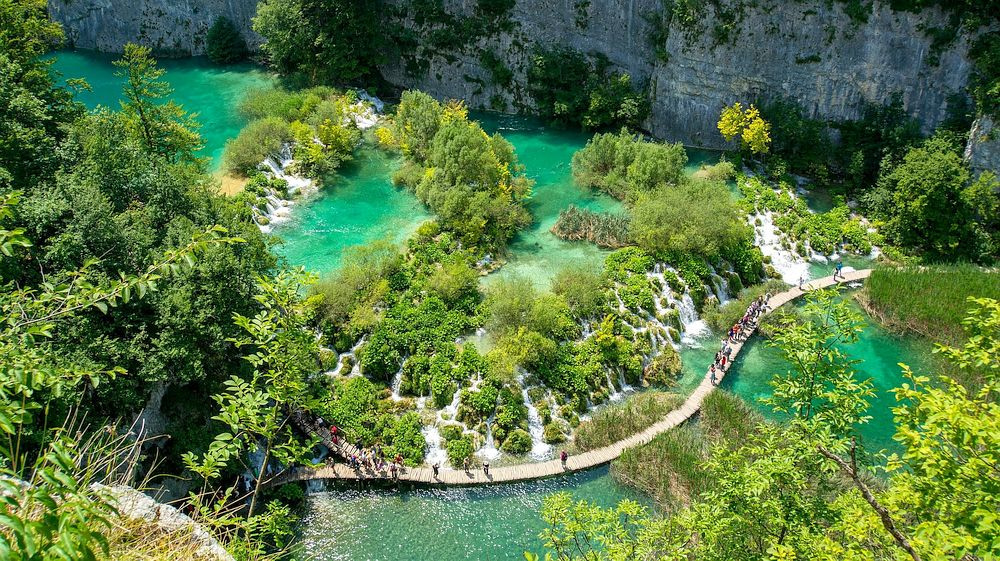
Croatia, a gem nestled along the Adriatic Sea, is renowned not just for its pristine beaches and enchanting landscapes but also for its resplendent old towns, each infused with a rich tapestry of history, culture, and architectural grandeur. These towns are not merely relics of the past; they are vibrant reflections of Croatia’s illustrious heritage. While many visitors flock to the likes of Dubrovnik and Split, the country’s lesser-known towns also boast remarkable beauty and fascinating stories begging to be discovered. In this exploration, we delve into the most beautiful old towns in Croatia, unveiling their unique allure and the historical significances that make them essential destinations for any traveler seeking a deeper understanding of this diverse nation.
Dubrovnik: The Pearl of the Adriatic
Dubrovnik, often dubbed the “Pearl of the Adriatic,” is perhaps the most famous of Croatia’s old towns. Enshrined in its UNESCO World Heritage status, the city’s imposing city walls, which date back to the 16th century, cradle a myriad ofBaroque and Gothic architectural masterpieces. Walking along the Stradun, the main thoroughfare, invites travelers to experience the atmosphere of a bygone era. The ethereal beauty of the Rector’s Palace and the awe-inspiring Church of St. Blaise are testaments to the city’s historical significance as a key Mediterranean trade hub. As you wander its cobblestone streets, imagine the countless merchants and dignitaries who once strolled these same paths.
Split: Where History Meets Modernity
Housing the ancient ruins of Diocletian’s Palace, Split is a remarkable juxtaposition of antiquity and contemporary life. This symbolic fortress, erected in the 4th century, remains a pulsating heart of the town. Its marble courtyards, intricate stonework, and atmospheric alleyways create an enchanting experience for exploration. The palace’s cellars, once used for storage, now serve as a vibrant marketplace and gathering spot for cafes and artisans. As you meander through the Peristyle, admire the splendid cathedral of Saint Domnius, which beckons with its bell tower presiding over the bustling atmosphere below. Every corner of Split tells a story that resonates with the vibrancy of modern-day life intertwined with historical grandeur.
Rovinj: A Colorful Coastal Jewel
Rovinj is a destination where charm ebbs and flows like the soft waves of the Adriatic lapping at its roots. Strolling through its narrow streets adorned with brightly painted houses creates a picturesque dance of color. The early morning sun spills over the rooftops, while the scent of fresh seafood wafts through the air from local trattorias. A highlight of Rovinj is the Church of St. Euphemia, towering majestically on the hill, offering breathtaking panoramic views of the surrounding blue expanse. The town’s vibrant fishing heritage is palpable in its bustling harbor, where fishermen mend their nets amidst the lively ambiance. Here, time seems to stand still, allowing you to savor each moment in this picturesque setting.
Pula: The Ancient Arena
Pula captivates the imagination with its rich Roman heritage and architectural wonders. The most striking feature is the well-preserved Roman amphitheater, one of the largest surviving structures of its kind. Constructed in the 1st century AD, this monumental arena not only served as a site for gladiatorial contests but continues to host concerts and cultural events today. Beyond this impressive edifice, the old town is riddled with ancient ruins, charming piazzas, and an intriguing blend of Roman and Venetian architectural styles. A stroll through the Forum leads you to the Temple of Augustus, a remarkable relic that showcases Pula’s significance during its zenith as a Roman settlement.
Korčula: The Birthplace of Marco Polo
Korčula, the idyllic island town, often referred to as the “Emerald Isle,” enchants with its medieval charm. Legend has it that Marco Polo, the illustrious explorer, hailed from here, and his legacy permeates the town’s narrow streets lined with elegant stone houses. The stunning St. Mark’s Cathedral stands as a centerpiece, its intricate façade a testament to the craftsmanship of ancient artisans. As you wander through Korčula’s well-preserved old town, you might stumble upon the remnants of a fortified walls, enhancing its historical narrative. The island’s verdant landscapes, coupled with its rich winemaking traditions, invite visitors to not only immerse themselves in history but also indulge in local culinary delights.
Trogir: A UNESCO Heritage Site
Nestled between the sea and the mountains, Trogir offers a seamless blend of history and beauty. This small town, another UNESCO World Heritage site, boasts Romanesque and Gothic architecture that harmonizes with its picturesque waterfront. The Cathedral of St. Lawrence, with its remarkable portal crafted by Radovan, draws admirers from near and far. Walking along its narrow streets reveals a treasure trove of hidden courtyards, quaint shops, and a vibrant market. Trogir’s rich history is palpable, with traces of its Roman past still evident alongside medieval influences. The lively atmosphere, combined with its historic significance, ensures an unforgettable visit.
In conclusion, Croatia’s old towns are not merely destinations; they are living chronicles of a nation’s storied past. Each town is imbued with character, rhythm, and a sense of timelessness, inviting visitors to explore the intricate layers that define Croatia’s cultural heritage. Beyond the popular tourist spots, these enchanting locales exist as gateways to the heart and soul of the country, ensuring that those who wander through them leave enriched by their experiences. Whether it’s the medieval walls of Dubrovnik, the historical remnants in Pula, or the colorful streets of Rovinj, the old towns of Croatia beckon with a promise of discovery, nostalgia, and timeless beauty.