When it comes to outdoor cooking, the debate between Traeger and Big Green Egg enthusiasts can ignite fervent discussions akin to age-old rivalries. Each brand boasts its unique mechanics and fervent followers, converging upon the primal pursuit of smoky flavors and tender meats. Yet, beyond their function as mere cooking vessels, these smokers encapsulate a deeper significance in culinary culture. They transcend the act of grilling and smoking, embodying a lifestyle choice steeped in community, creativity, and the nostalgia of convivial gatherings. So, which smoker truly reigns supreme? Let’s delve into their features, performance, and overall experience to uncover the definitive champion.
1. The Underpinnings of Design
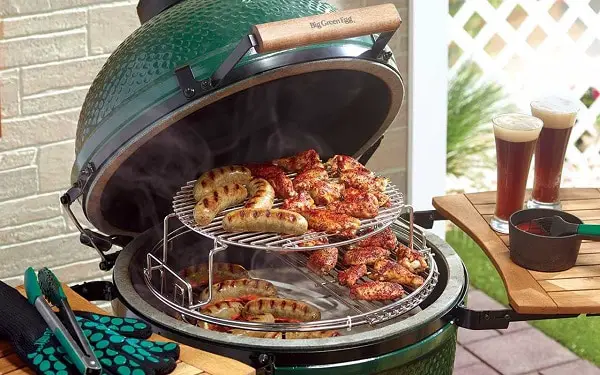
The Traeger smoker, often termed a “pellet grill,” employs an innovative system that relies on compressed wood pellets. This design incorporates an electronic control panel that facilitates temperature settings, ensuring precise cooking conditions with minimal fuss. The automated feed system not only sustains the fire but also enhances user convenience, allowing for longer smokes without constant monitoring. On the contrary, the Big Green Egg is a bastion of traditional ceramic cooking, drawing inspiration from ancient Asian cooking techniques. Its versatile design allows it to function as a grill, smoker, and even an oven—all encapsulated within a strikingly designed, egg-shaped ceramic body that retains heat with remarkable efficiency.
2. Cooking Versatility
When considering the versatility of cooking methods, the Traeger emerges as a chameleon of the grilling world. From smoking brisket to grilling burgers and even baking pizzas, it accommodates a myriad of culinary techniques. The integration of Wi-Fi capabilities in some models allows for remote monitoring and control, bringing a modern twist to outdoor cooking. Big Green Egg aficionados, however, argue that the ceramic smoker is unparalleled in its adaptability. The ability to adjust the airflow and temperature with precision allows for direct grilling, indirect cooking, and even low-and-slow smoking, all on one piece of equipment. Both smokers offer versatility, yet they manifest it through different engineering philosophies—one modern and automated, the other traditional and hands-on.
3. Flavor Profiles: The Art of Smoldering
The crux of any smoker’s appeal lies within the flavor it imparts to the food. Traeger smokers, with their assortment of flavored wood pellets, offer a customizable smoking experience that appeals to varied palates. From mesquite to hickory, each pellet variety infuses a distinctive smoky taste, captivating culinary adventurers who enjoy exploration through flavor. However, traditionalists may contend that the Big Green Egg offers a purer, unadulterated smoky flavor. The connection to charcoal—and the ability to utilize lump charcoal for a clean burn—ensures an authenticity that some cooks find indispensable. This profound distinction in flavor generation ultimately reflects the philosophical underpinnings of each brand’s design approach.
4. Ease of Use and Maintenance
In terms of user-friendliness, the Traeger is often lauded for its simplicity. The electronic ignition system reduces the upfront effort needed to get started, making it an appealing option for those who may shy away from more involved cooking methods. Cleanup is a relatively streamlined process, with removable grease trays and fire pots enhancing the user experience. The Big Green Egg, while slightly more labor-intensive, fosters a rewarding connection through its hands-on operation. The maintenance of charcoal and wood chips requires diligence and a certain level of engagement that many cooking enthusiasts appreciate. While it may present a learning curve, the rewards of mastering the nuances of an egg can be deeply satisfying.
5. Portability and Size
Considering outdoor cooking often implies variations in location, the size and portability of a smoker can be pivotal. Traeger smokers are generally heavier and more cumbersome, particularly the larger models designed for ample cooking capacity. However, their wheels and convenient design facilitate relocation around the patio or backyard. Big Green Egg sizes range from compact mini models to substantial large versions, catering to various needs. The ceramic materials render them somewhat more fragile, yet the smaller units can be incredibly portable—ideal for tailgating or camping. Thus, the preference for either ultimately hinges on personal lifestyle considerations and cooking habits.
6. Costs and Investment
Price points represent another critical factor in the Traeger versus Big Green Egg debate. Traeger smokers, while offering budget-friendly entry-level models, can escalate in cost based on advanced features. The total package including pellets may represent ongoing expenses to consider. Conversely, Big Green Egg units typically present a heftier initial investment. Yet, their longevity, durability, and versatility often justify the cost over time. The ceramic smoker’s ability to evenly cook without constant repairs or replacements can lead to a lower total cost of ownership, making them a worthwhile long-term investment for serious enthusiasts.
Conclusion: The Final Verdict
In the ever-evolving world of backyards and barbecues, the battle of Traeger versus Big Green Egg will inevitably persist. Each smoker offers unique philosophies, perspectives on flavor, and diverse cooking methodologies. The Traeger delivers modern convenience, let-it-run ease, and flavor craftsmanship through its pellet system, while the Big Green Egg enthralls devoted adherents with its versatile, hands-on approach and traditional smoke appeal. Ultimately, the right choice converges with individual cooking style and lifestyle preferences. Whether one gravitates towards the automated allure of Traeger or the artisanal touch of the Big Green Egg, both travelers on this culinary journey will find joy in the smoky surrender of expertly cooked meats and memorable gatherings.