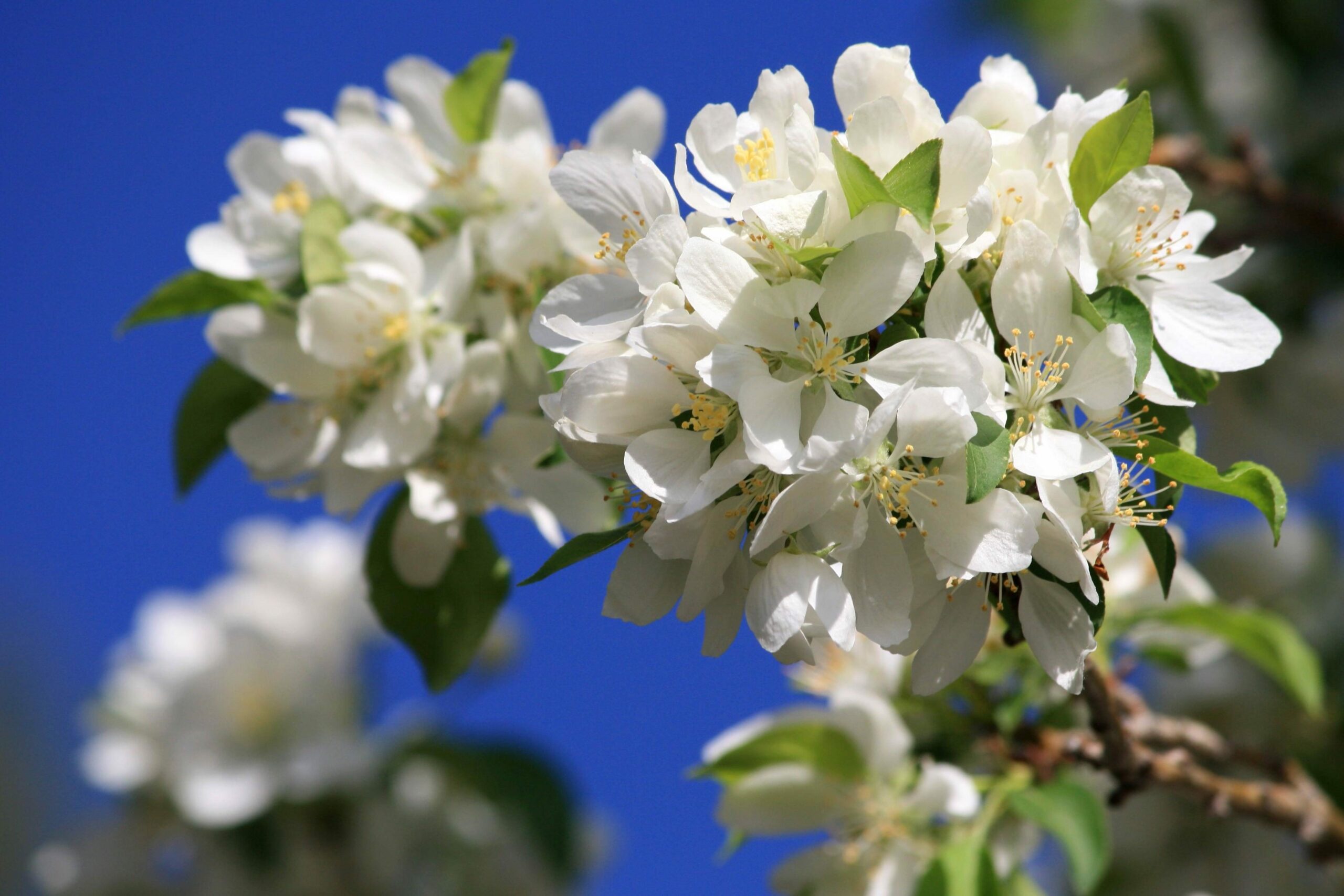
Spring heralds a symphony of colors, scents, and sensations, but among the vibrant hues and aromatic blossoms, certain unassuming trees capture our attention with their delicate small white flowers. These floral wonders not only add a serene elegance to the landscape but also hold secrets of ecological significance, cultural symbolism, and botanical diversity. This article invites you to embark on a journey of discovery, as we unveil the enchanting characteristics of trees adorned with small white flowers, igniting your curiosity to appreciate these understated beauties.
As the frost subsides and the warmth of sunlight begins to infuse the air, the emergence of small white flowers marks a fleeting yet impactful transition in nature. These flowers, often overlooked, provide essential resources for an array of pollinators, as well as contribute to the visual tapestry of blooming life. We delve into a selection of magnificent trees boasting these charming white blooms, shedding light on their identification, habitats, and significance within their ecosystems.
1. Serviceberry (Amelanchier spp.)
The serviceberry is a quintessential harbinger of spring, showcasing clusters of small white flowers that appear before the leaves unfurl. This multi-stemmed tree, often reaching heights of 15 to 25 feet, graces gardens and natural landscapes with its aesthetic versatility. The blossoms, typically star-shaped, lure pollinators, such as bees and butterflies, creating a vibrant ecosystem. The tree’s edible berries, resembling blueberries, ripen in late spring and are a culinary delight. Serviceberries flourish in well-drained soils, often found on the edges of woodlands or in open fields, making them an essential part of many wildlife habitats.
2. Flowering Cherry (Prunus serrulata)
The ethereal flowering cherry tree, particularly notable for its stunning white flowers, captivates admirers around the globe. These trees vary in size, from bonsai versions to towering beauties that can reach upwards of 40 feet. The exquisite blooms typically appear in profuse clusters during early spring, creating breathtaking floral displays that punctuate urban parks and suburban landscapes alike. Although the flowering cherry is often associated with its pink-hued counterparts, varieties such as the ‘Shirotae’ display an abundance of pure white blossoms. Renowned for their ephemeral beauty, their flowers signal a moment of reflection, fondly celebrated in various cultures, especially during Hanami, the Japanese tradition of cherry blossom viewing.
3. Snow Fountain Willow (Salix alba ‘Tristis’)
The Snow Fountain Willow presents an enchanting spectacle with its cascading branches adorned with tiny white flowers. This weeping variety of willow, typically reaching around 10 to 15 feet in height, thrives in moist environments, often gracing riverbanks and wetlands. Its long, slender branches drape gracefully, creating a picturesque appearance that mimics a fountain in full flow. The small flowers bloom in late spring, broadcasting an aroma that attracts pollinators. Beyond its aesthetic appeal, the Snow Fountain Willow plays a crucial role in erosion control and provides critical habitat for various wildlife species.
4. Hawthorn (Crataegus spp.)
Regarded for its resilience and adaptability, the hawthorn tree flourishes in diverse environments, from hedgerows to sunny prairies. The hawthorn’s ivory-white flowers bloom in abundant clusters, exuding a subtle yet captivating fragrance. Typically ranging from 15 to 30 feet in height, these trees bear small, often thorny branches that add to their rugged charm. The floral displays, which usually appear in late spring, are not only a visual delight but also a boon for pollinators. Historically, hawthorn flowers have symbolized hope and protection, yet they possess medicinal properties that have been valued for centuries, primarily for heart health.
5. Black Locust (Robinia pseudoacacia)
Although not entirely a native species in many regions, the black locust tree is celebrated for its rapid growth and clusters of fragrant white blossoms. Reaching upwards of 30 to 50 feet, with a broad canopy, this tree is often utilized in reforestation efforts due to its nitrogen-fixing abilities, enhancing soil fertility. The pendulous flower clusters, resembling peas, bloom in late spring and emit a sweet scent that enchants pollinators and passersby alike. Furthermore, the black locust produces durable wood, making it an excellent choice for various applications, including furniture and fencing.
6. Magnolia (Magnolia spp.)
While magnolias are celebrated for their grand blossoms in shades of pink and purple, certain species, such as the star magnolia, enchant with small, fragrant, white floral displays. These deciduous or evergreen trees can be fairly compact, often reaching a height of 10 to 20 feet. Flowering in early spring, the star magnolia presents its blossoms before the leaves emerge, creating a striking contrast against the backdrop of a blue sky. The blooms radiate a captivating fragrance that beckons pollinators, while the tree’s distinctive bark offers visual interest year-round. As symbols of dignity and nobility, magnolias have found their way into gardens and landscaping across the globe.
In conclusion, trees with small white flowers are fascinating harbingers of spring, embodying the grandeur of nature in understated ways. As you explore parks, gardens, and woodlands, take the time to appreciate these botanical treasures. Each tree weaves its own unique story, contributing to the ecological tapestry of our planet. From providing sustenance to wildlife to inspiring cultural celebrations, these flowering wonders evoke a profound sense of connection to the earth and its changing seasons. Delighting in their gentle beauty invites a richer understanding of our environment and encourages a deeper appreciation for the subtleties that nature has to offer.