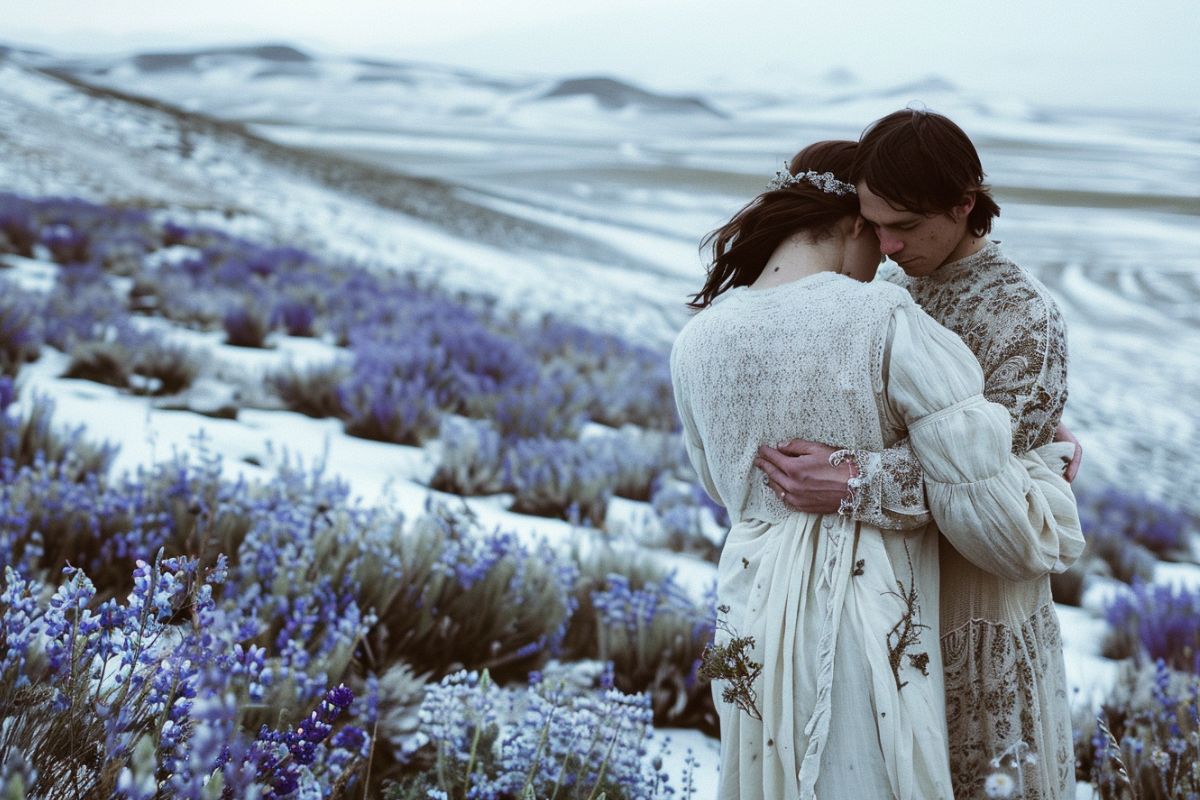
When you think of love in the context of astrology, it’s hard not to conjure images of iconic couples like Elizabeth Bennet and Mr. Darcy from *Pride and Prejudice* or Jack and Rose from *Titanic*. Their passionate yet complicated relationships evoke feelings of both romance and challenge, much like the dynamic interplay of Venus and other planetary influences in synastry—the branch of astrology that examines the compatibility between two individuals based on their natal charts. In this exploration, we delve into the profound implications of Venus in synastry, unraveling how this planet of love, beauty, and harmony shapes romantic entanglements.
At its core, Venus is enshrined in concepts of love, attraction, and relationships. When examining synastry—essentially the astrological comparison of two charts—Venus serves as a lodestar indicating how individuals express affection and aesthetic appreciation within their interactions. Think of it as a cosmic lens through which we gain insights into both the pleasant and tumultuous facets of romantic connections.
Synastry charts typically reveal the nature of two individuals’ interactions. When two individuals unite in a romantic context, examining how Venus interacts with respective placements and aspects becomes essential. Consider two pivotal aspects: Venus conjunct Mars and Venus square Saturn. Both configurations can manifest in drastically different realms of passion, commitment, and emotional fulfillment. The allure of these placements makes for fascinating, albeit intricate, relationship dynamics.
**Venus Conjunct Mars** is one of those aspects that generates undeniable chemistry. Here, Venus—the planet of love—aligns harmoniously with Mars, the planet of drive and desire. This pairing often embodies an electrifying attraction, making it akin to the fiery chemistry between Scarlett O’Hara and Rhett Butler in *Gone with the Wind*—intense, passionate, and brimming with reciprocal attraction. Those who experience this conjunction tend to undergo an enthralling connection filled with deep-seated desire, compelling both partners to explore their affectionate identities together.
Despite its allure, the **Venus opposite Mars** aspect introduces a more complex emotional dynamic. Much like the relationship between Elizabeth and Mr. Darcy, where initial misunderstandings give way to deeper connection, the opposition creates tension. The individuals may find themselves oscillating between attraction and conflict, embodying that classic dance of attraction where desire often quivers on the brink of discord. What’s most intriguing is how such a relationship can help partners learn about their wants and needs, fostering growth even amidst turbulence.
On the other hand, **Venus Square Saturn** introduces a sobering dimension to love. This aspect can often manifest as insecurity, emotional barriers, or feelings of unworthiness. Imagine the restrained affection between Mr. Darcy and Elizabeth as they navigate societal expectations and personal doubts. The potential for profound love exists, but the journey often requires recognition of inner struggles and external pressures. Partners caught in this dynamic may grapple with one partner feeling suffocated or challenged while the other presents their earnest desire for commitment and structure. While this square can complicate feelings of affection, it can also serve as fertile ground for growth and understanding of each other’s emotional framework.
Moreover, **Venus Trine Jupiter** represents an expansive, joyful facet of love. Picture the exuberance found in *The Notebook*, where Noah and Allie’s chemistry flourishes in the face of life’s challenges. This aspect often indicates an easy flow of generosity, optimism, and genuine enjoyment in one another’s company. The connection can often feel almost effortless, with a sense of mutual respect underpinning exchanges. Individuals with this aspect are likely to uplift and inspire each other, creating a bond characterized by shared visions of happiness and exploration.
However, the complexities of Venus don’t stop there. Its role in synastry also draws from aspects like **Venus Square Venus**. Here, disparate expressions of love and affection can create friction. Think of Sam and Diane from *Cheers*, whose volatile chemistry often stemmed from differing romantic expectations. The square may prompt individuals to confront their values and priorities through their partner’s differing love language. While this may initially seem like a challenge, it also offers an opportunity for meaningful dialogue and growth.
It’s vital to recognize the significance of house placements in synastry as well. For instance, if one partner’s Venus resides in the other’s seventh house of partnerships, it signifies a powerful attraction likely leading to serious commitments. This concept reflects a similar depth as the romantic entanglement depicted in *La La Land*, whereby both partners experience an intensified journey towards companionship. Each individual’s Venus placements and their influence on the other’s chart unveil layers of emotional affinities that compel couples toward deeper connections.
Ultimately, Venus truly embodies the myriad ways that individuals engage with love, beauty, and attraction. Synastry illuminates the dance of affectionate expressions, each unique and colored by planetary configurations. By understanding these cosmic influences, partners can apply this knowledge to navigate the delicate interplay of attraction, desire, and emotional resonance in their relationships. From the exuberant joy of a Venus-Jupiter trine to the challenging lessons of a Venus-Saturn square, the experiences two individuals share will ultimately shape their journey together. Just as classic characters engage in their own impassioned narratives, so too do the modern couples, inspired by the stars, create their own unique love stories.