Voltage regulators play a pivotal role in maintaining the performance integrity of older amplifiers, often serving as unsung heroes in the world of audio electronics. These components ensure a consistent voltage supply, thereby safeguarding sensitive circuits against fluctuations that could lead to distortion or malfunction. Understanding how to maintain these voltage regulators is crucial for audiophiles and technicians alike, as it directly impacts sound fidelity and amplifier longevity. This article delves into the intricacies of voltage regulator function, common issues encountered, and maintenance strategies to uphold the performance of vintage amplifiers.
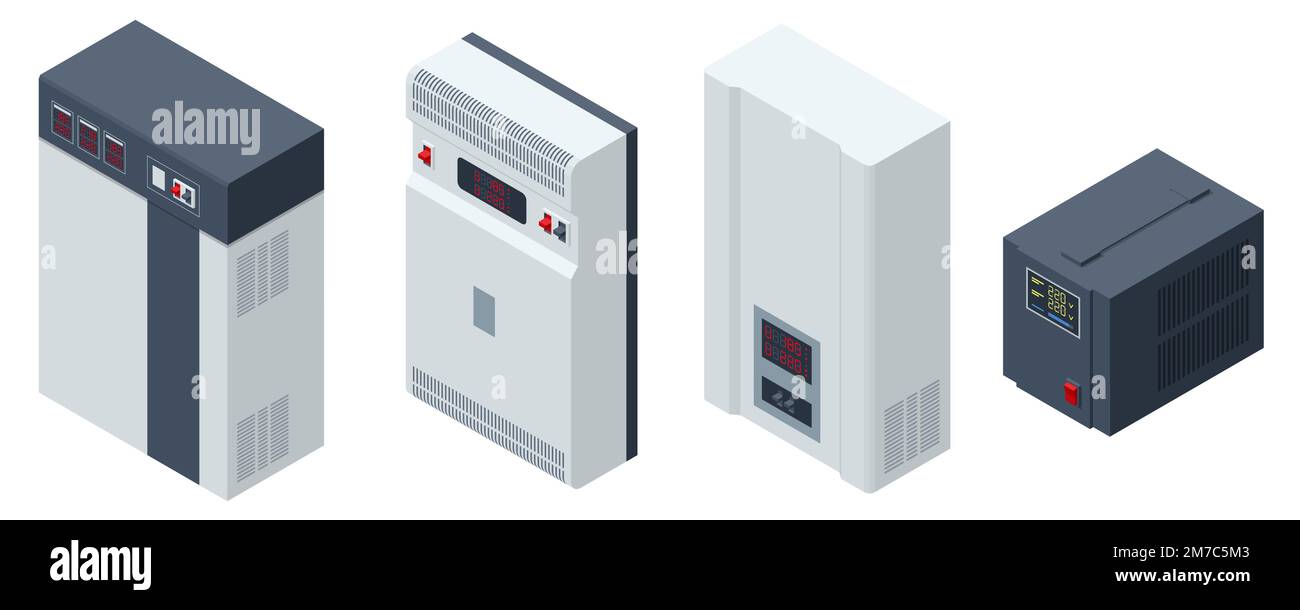
To comprehend the importance of voltage regulators, it is essential to recognize their primary function: to regulate the voltage output from a power supply, keeping it stable despite variations in input voltage or load conditions. In older amplifiers, where circuit tolerance can be less robust than their modern counterparts, these regulators are vital for preventing overload conditions that could damage delicate components.
As time marches on, issues can arise within these regulatory circuits. Components like capacitors, transistors, and diodes can age, leading to performance degradation. An aged voltage regulator may exhibit symptoms such as unwanted hum, crackly sound, or a diminished audio output. Moreover, the gradual buildup of heat generated from prolonged operation can further exacerbate these problems, causing components to fail prematurely.
Addressing these issues necessitates a nuanced approach to maintenance. Here are several essential strategies to keep voltage regulators in optimal condition:
- Regular Inspection: Visual inspections of the amplifier’s internals can yield insights into the health of the voltage regulators. Look for signs of discoloration, bulging capacitors, or burnt components. These visual indicators often foreshadow deeper electrical issues.
- Capacitor Replacement: Electrolytic capacitors have a finite lifespan, typically ranging from 10 to 20 years. Keeping an eye on these components and replacing them preemptively or upon the first signs of failure is crucial. Upgrading to higher-quality capacitors can sometimes yield sonic benefits, enhancing overall performance.
- Temperature Management: Heat is an amplifier’s worst enemy. Ensuring adequate ventilation around the amplifier will mitigate overheating issues. If necessary, consider adding additional cooling solutions, like fans or heat sinks, specifically targeting the voltage regulator area to prolong component life.
- Testing and Calibration: Utilizing a multimeter to check output voltages can provide valuable insights. A regulated output within specified parameters ensures that the amplifier operates as intended. If voltages deviate, further investigation into the voltage regulator and surrounding circuitry is warranted.
- Be Mindful of Load Conditions: Understanding and optimizing the load conditions placed on the amplifier can greatly reduce stress on voltage regulators. Ensuring compatibility between connected devices prevents instances where excessive load might push the regulator beyond its limits.
The functionalities of voltage regulators extend beyond just maintaining sound quality; they also protect against external factors such as power surges or fluctuating mains voltage. Aging voltage regulators may struggle in conditions where the input voltage fluctuates significantly. Installing a quality surge protector can add an additional layer of security, safeguarding the amplifier from unpredictable voltage spikes.
It is also worth mentioning that while maintaining voltage regulators, one should have a grounding knowledge of electronic safety. Discharging capacitors, working with isolated tools, and ensuring safety goggles are part of best practices. Remember that safety should always come first when dealing with electrical equipment!
In the realm of vintage audio equipment, there exists a certain romanticism tied to the equipment’s age and character. However, this sentiment must be balanced with a sense of responsibility regarding maintenance. Many enthusiasts find joy not only in using their older amplifiers but also in preserving them. Knowledge about voltage regulators arms users with the ability to protect their investment and maintain the unique sound that these amplifiers can offer.
Moreover, let us not overlook the aesthetic value often inherent in vintage amplifiers. The visual design, coupled with superior audio performance, can make maintaining these pieces of machinery a delightful endeavor. Thus, besides technical proficiency, there is an art to maintaining these audio gems, and an appreciation for the craftsmanship that produced them is fostered with every repair and enhancement.
In conclusion, voltage regulators in older amplifiers are an essential consideration for those aiming to maintain optimal performance. They provide a necessary buffer against the chaos of power fluctuations while safeguarding the intricate circuitry that defines high-quality audio output. Regular inspections, proactive capacitor replacement, temperature management, and mindful load conditions form the crux of effective maintenance strategies. By adopting these practices, audiophiles and technicians can relish the rich, complex soundscapes that vintage amplifiers have to offer, ensuring that these audio treasures continue to perform at their prime for years to come.