What does BMW stand for? It’s a question that might seem straightforward, yet it opens the door to a deeper exploration of one of the most recognized automotive brands in the world. This inquiry is not just about the etymology of its name; it demands a thorough examination of the cultural, historical, and philosophical significance imbued in the BMW logo and its broader identity. Are you ready to delve into the enigma behind a brand synonymous with luxury and performance?
BMW, which stands for Bayerische Motoren Werke AG, translates to Bavarian Motor Works in English. The name alone alludes to the German roots of the company, which was founded in 1916 in Munich, Bavaria. Yet, while the name is substantial, the brand transcends its linguistic origins. It encapsulates an ethos, a meticulously cultivated identity that resonates across the globe and an intensely loyal customer base.
To understand what BMW stands for, one must first appreciate the innovation and engineering prowess that characterizes the brand. BMW initially began as a manufacturer of aircraft engines during World War I. This particular stage of the company’s life was crucial, as it honed a commitment to engineering excellence and precision. Following the war, restrictions imposed by the Treaty of Versailles forced BMW to pivot towards motorcycle and automobile production, resulting in the introduction of its first motorcycle, the R32, in 1923.
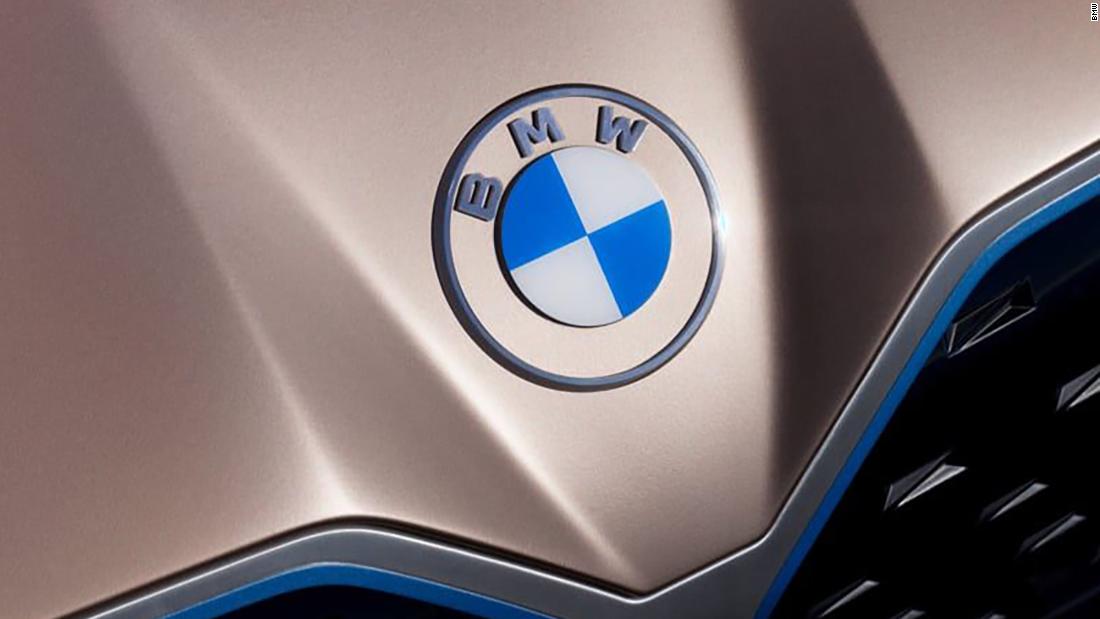
However, it’s the emblem that captivates enthusiasts and casual observers alike. The renowned blue and white checkerboard design evokes one of the brand’s most salient historical connections—the state flag of Bavaria. This tribute to the home region is not merely decorative; it signifies pride and heritage. When you gaze upon the BMW logo, what do you see? Many motorists perceive a spinning propeller, reminiscent of the company’s aviation origins. This interpretation is not misaligned, as it reflects the dynamism and forward-thinking nature of BMW. Herein lies the essence of the brand: an unfaltering resolve to innovate through engineering might.
BMW has also adeptly positioned itself as a symbol of aspirational living. Owning a BMW is frequently regarded as a status symbol, representing success, sophistication, and an unwavering pursuit of quality. Drivers often resonate with the brand’s slogan, “The Ultimate Driving Machine,” serving as an implicit promise of unrivaled driving pleasure. This ideology encapsulates an entire lifestyle, one that values not only the product but the experience it offers. The sensation of gripping the steering wheel of a well-designed BMW is a transcendental experience, blending mechanical precision with visceral enjoyment.
In the year 2020, a redesign of the iconic logo ignited conversations among aficionados and detractors alike. The reimagined emblem features a flatter design, stripping away the three-dimensional effect and reducing the black ring to solely showcase the blue and white quadrants. This decision was viewed by some as a departure from tradition; however, it speaks volumes about the brand’s adaptability in a rapidly changing world. The modification reflects a commitment to modernization while maintaining loyalty to BMW’s roots. The transition to a minimalist approach caters to a younger audience that craves simplicity and elegance in design.
Moreover, the brand is robustly positioned within the realms of sustainability and cutting-edge technology. The dawn of electric mobility has prompted BMW to introduce models such as the i3 and i8, merging sustainability with performance. This progressive shift underscores BMW’s acknowledgment of global challenges, including climate change, and signifies a commitment to reducing its carbon footprint without sacrificing the performance for which it is famous. The foresight showcased by the company in embracing electric vehicles manifests a nuanced understanding of contemporary consumer priorities and environmental stewardship.
Cultural influences around the world have served to cement BMW’s position as more than an automotive manufacturer. The brand has effortlessly permeated pop culture, from iconic film appearances to high-profile endorsements. It adorns the garages of A-list celebrities and plays a starring role in action-packed films, elevating its status even further. The aura of allure, sophistication, and high performance is magnified and disseminated through these cultural references, augmenting its market appeal.
Furthermore, BMW’s commitment to motorsport has played a significant role in shaping its identity. The experience gained on the racetrack has invariably influenced commercial models, integrating technological advancements and performance enhancements directly into consumer vehicles. Winning races engages the brand with enthusiasts, showcasing its ability to thrive under pressure. This duality of prowess—both on the circuit and on the road—conveys a powerful message: to drive a BMW is to engage with a legacy of excellence rooted in performance.
At its core, BMW stands for a synthesis of heritage, innovation, and aspirational living. The name Bayerische Motoren Werke AG beckons a rich history, yet it’s the embodiment of craftsmanship, quality, and performance that continues to resonate. Owning a BMW transcends simply possessing a luxury vehicle; it encapsulates a lifestyle marked by an appreciation for engineering marvels and a commitment to excellence. So, the next time you’re behind the wheel of a BMW—or observing one glide by—consider the multi-faceted meanings behind this iconic automotive brand. It is a confluence of history, culture, and an inexorable drive towards the future, all distilled into a singular identity that commands reverence in the automotive world.