What happened to Craftsman? The Rise, Fall, and Future
Are you a DIY enthusiast? Or perhaps you have a hidden passion for home projects that require a couple of power tools and some elbow grease? If so, then you might find the story of Craftsman—a once-iconic brand synonymous with quality tools—both captivating and cautionary. As we journey through its rise, fall, and the glimmering potential for revival, consider this playful challenge: Can you name a tool that you believe has changed the landscape of home improvement? As we delve deeper, let’s unravel the enigma behind Craftsman, a brand with a legacy steeped in craftsmanship and innovation.
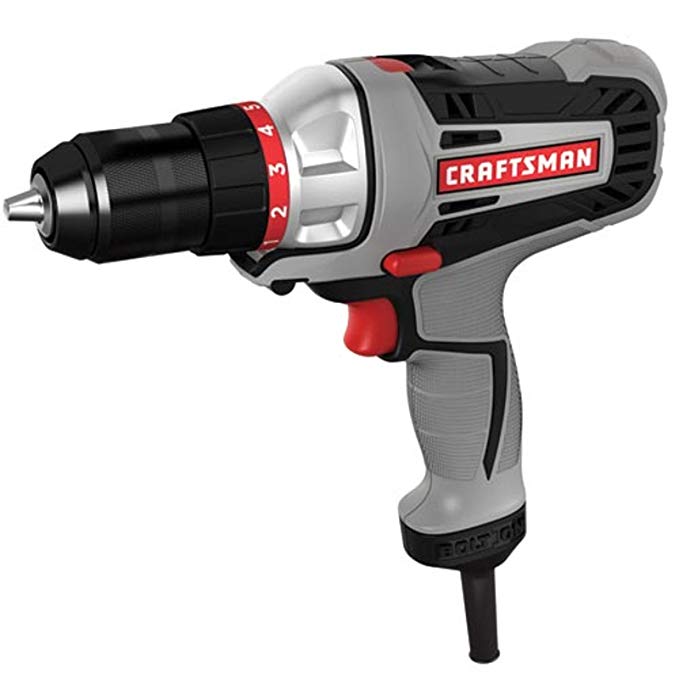
Founded in 1927 by the Sears, Roebuck and Company, Craftsman was an emblem of home empowerment. It offered an extensive range of tools that catered to the burgeoning DIY market. From hammers to power drills, Craftsman products were renowned for their durability and reliability, boasting a lifetime warranty that assured customers of unwavering quality. This assurance alone catalyzed a profound brand loyalty that spanned generations. The very name “Craftsman” became a household moniker, as synonymous with American ingenuity as it was with quality workmanship.
During its ascent, the brand’s marketing strategy resonated deeply with the aspirational spirit of Americans. Craftsman espoused the philosophy that anyone, irrespective of their skill level, could transform their dwelling into a sanctuary of creativity and functionality. This message was a clarion call to countless homeowners and budding artisans alike. Television shows and magazines began to showcase Craftsman’s vast array of tools, further embedding the brand in popular culture.
Yet, this ascendance was not destined to remain unscathed. Enter the digital age: a vortex of change that beckoned innovation yet posed existential dilemmas. The onset of new technologies and the rise of online shopping reshaped consumer behavior dramatically. With giants like Amazon entering the fray, traditional retail behemoths like Sears began to falter. Craftsmanship, a term evoking timelessness, now found itself competing against the frenetic pace of modernity.
In addition, Craftsman’s identity began to blur as the brand was sold multiple times, losing its sheen with each transition. The acquisition by Stanley Black & Decker in 2017 was a decisive juncture, causing purists to mourn the nostalgia of yesteryears while the conglomerate sought to revitalize the brand through strategic marketing and product diversification. Yet, Craftsman’s image as a luxury field of tools made by masters for masters began to erode, replaced by mass production and a lack of personalized service, which has characterized many other brands in the industry.
The repercussions were swift and severe. Sales plummeted, and once-vibrant Craftsman tool aisles became shadowed remnants of their former selves. Loyal customers began to feel disenchanted, often railing against the perceived decline in quality. It wasn’t long before the brand found itself embroiled in a battle for relevance, obscured by a plethora of competing brands that offered similar products, but without the storied legacy.
Despite these tribulations, a flicker of hope exists in the ever-replenishing well of innovation. Craftsman’s future holds the potential for a renaissance, should it recalibrate its focus towards quality over quantity. The modern landscape of consumers increasingly favors sustainable options and artisanal craftsmanship—a paradigm shift that aligns with the very ethos that once elevated Craftsman to its golden heights. Reviving interest in hand tools, localized manufacturing, and eco-friendly processes could provide the requisite impetus for a much-anticipated resurgence.
Moreover, the DIY culture is not merely a stagnant tributary of the past; it is an enduring river that continues to swell with new participants. The pandemic catalyzed a renewed interest in home projects, as people found themselves confined within their dwellings. This left many grappling with surroundings that begged for renovations, spurring a renewed passion for craftsmanship. As this community burgeons, so too does the potential for Craftsman to become relevant once more, particularly if it positions itself as a facilitator of both innovation and nostalgia.
In a bid to reclaim lost ground, the brand could embark on collaborative ventures with artisans and influencers who resonate with the ideals of integrity and craft. By fostering a sense of belonging and community among users, Craftsman could resurrect its legacy—not just as a purveyor of tools, but as an instigator of creativity and craftsmanship.
As we reflect on the inexorable rise, fall, and tentative future of Craftsman, it beckons a deeper contemplation on broader industrial narratives. The gazettes have been filled with the numbers of dwindling sales and shop closures, yet the heart of craftsmanship continues to beat in the hands of those who refuse to surrender to obsolescence. In this context, the brand’s soul—its very essence—has not entirely vanished; it simply awaits a passionate revival. Will this be the moment when Craftsman finds its footing once again? Only time will tell, proving that even the most storied brands can carve a new path amidst the trials of modernity.
Now, dear reader, as you ponder this evocative narrative, consider: how might you play a part in the reinvigoration of craftsmanship—both in your projects and in preserving a notable American legacy?