When contemplating the remarkable wonders of the natural world, the marvel of an animal’s reaction time often goes unnoticed. Reaction time is the interval between the onset of a stimulus and an organism’s response. For many species, this latency can mean the difference between life and death, particularly in the unforgiving arena of predator-prey dynamics. Whether in the blink of an eye or the quiver of a muscle, these swift responses are critical evolutionary adaptations that speak to the astonishing capabilities of various creatures. In the pursuit of understanding which animal boasts the fastest reaction time, one must explore both land and air, examining the unheralded quicksilver athletes that dominate the animal kingdom.
When we consider the speed of response, one need only look at the common housefly (Musca domestica) to appreciate the breathtaking speed at which it operates. Research indicates that a housefly can respond to visual stimuli in as little as 20 milliseconds. This ability is primarily due to its exceptional compound eyes, which can perceive movement at extraordinary rates. Each eye is composed of thousands of individual lenses that provide a wide field of vision and an acute sensitivity to motion. This combination allows flies to evade potential predators with astonishing agility. In practical terms, even the most skilled human athlete would struggle to replicate a housefly’s ability to avoid a swatting hand.
Shifting our focus to the realm of the avian world, the black-capped chickadee (Poecile atricapillus) presents an intriguing case study in rapid neurological reactions. These diminutive songbirds exhibit complex behaviors, from alarm calls to intricate mating rituals, all of which require swift decision-making. The chickadee’s reaction time is estimated around 15 milliseconds, a feat attributable to their exceptional neuroanatomy. The chickadee’s brain is highly adaptive, allowing for quick processing of auditory and visual cues—a necessity when navigating through dense woodland environments rife with potential threats.
Yet, not all competition in rapid responses occurs in the air. Underwater, the mantis shrimp (order Stomatopoda) holds the title for one of the most extraordinary reaction times among marine creatures. Mantis shrimp are renowned for their remarkable hunting technique, which incorporates specialized limbs designed for striking with incredible speed. Their reaction time is estimated to be about 60 microseconds—simultaneously outrageous and fascinating. This rapid strike mechanism is both a product of their lightning-quick muscle fibers and unique visual adaptations. Mantis shrimp are equipped with complex eyes that can detect polarized light, granting them an almost unrivaled perception of their environment. The result is a predatory prowess that few others can match.
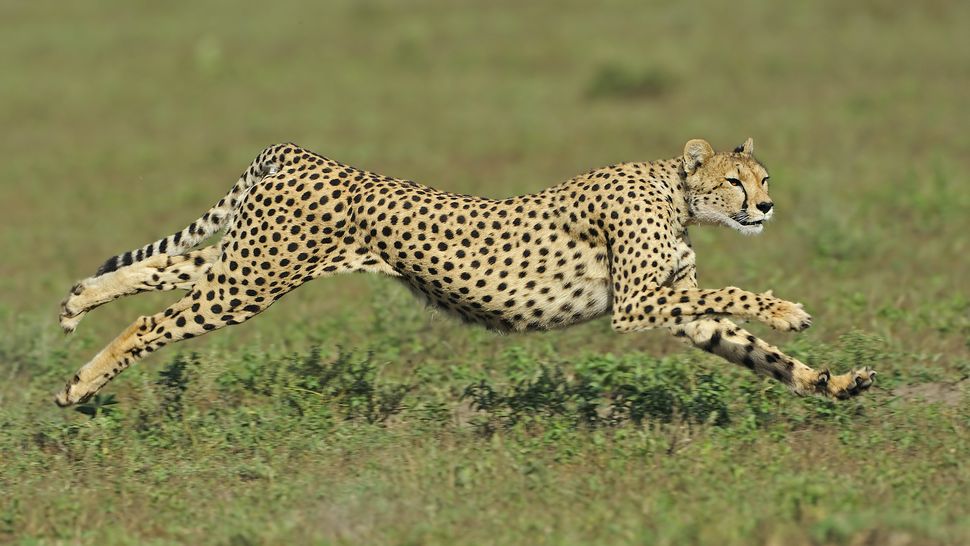
Transitioning to terrestrial mammals, one cannot ignore the formidable cheetah (Acinonyx jubatus). While primarily renowned for its astounding running speed—recorded at over 60 miles per hour—this feline also exhibits a remarkably quick reaction time. Like many animals that rely on speed to catch their prey, the cheetah’s reaction time is approximately 50-70 milliseconds. This swiftness is underscored by their acute auditory senses and refined hunting techniques, allowing them to make rapid adjustments during high-speed chases. Combining agility with speed ensures that the cheetah remains a quintessential predator in African grasslands.
Moreover, the common octopus (Octopus vulgaris) deserves special mention in this discussion. This cephalopod isn’t just an expert at camouflage; it also showcases extraordinary reaction times that stem from its decentralized nervous system and innate adaptability. In essence, the octopus has the capacity to detect and respond to stimuli in a manner similar to that seen in vertebrates. Studies suggest that the octopus can react in approximately 0.2 seconds when confronted with sudden threats, attributes its versatility, and can achieve rapid locomotion through jet propulsion as one of its primary evasion tactics.
As we traverse through the myriad of life forms that showcase astonishingly quick reflexes, it becomes apparent that reaction time is not simply a measure of speed; it encompasses a diverse array of adaptations that increase the chance of survival. From the hares and lizards that can elude larger predators to the predators themselves, like the barn owl (Tyto alba), known for its silent flight and swift reaction to prey movements in the dark, nature showcases an incredible palette of quick responders.
In essence, the ongoing evolutionary arms race propelling these organisms to develop blazingly fast reaction times reveals profound intricacies embedded within animal anatomy and behavior. The pursuit of survival, whether through preemption, camouflage, or outright speed, fundamentally shapes the interactions between species and their environments. Therefore, while the housefly may reign in reaction speed for its size, the mantle of nature’s quickest responder extends far beyond a single representative. An enduring testament to adaptation, these astonishing creatures encapsulate the incredible complexities inherent in the natural world, reminding us of the delicate balance that dictates life on Earth.