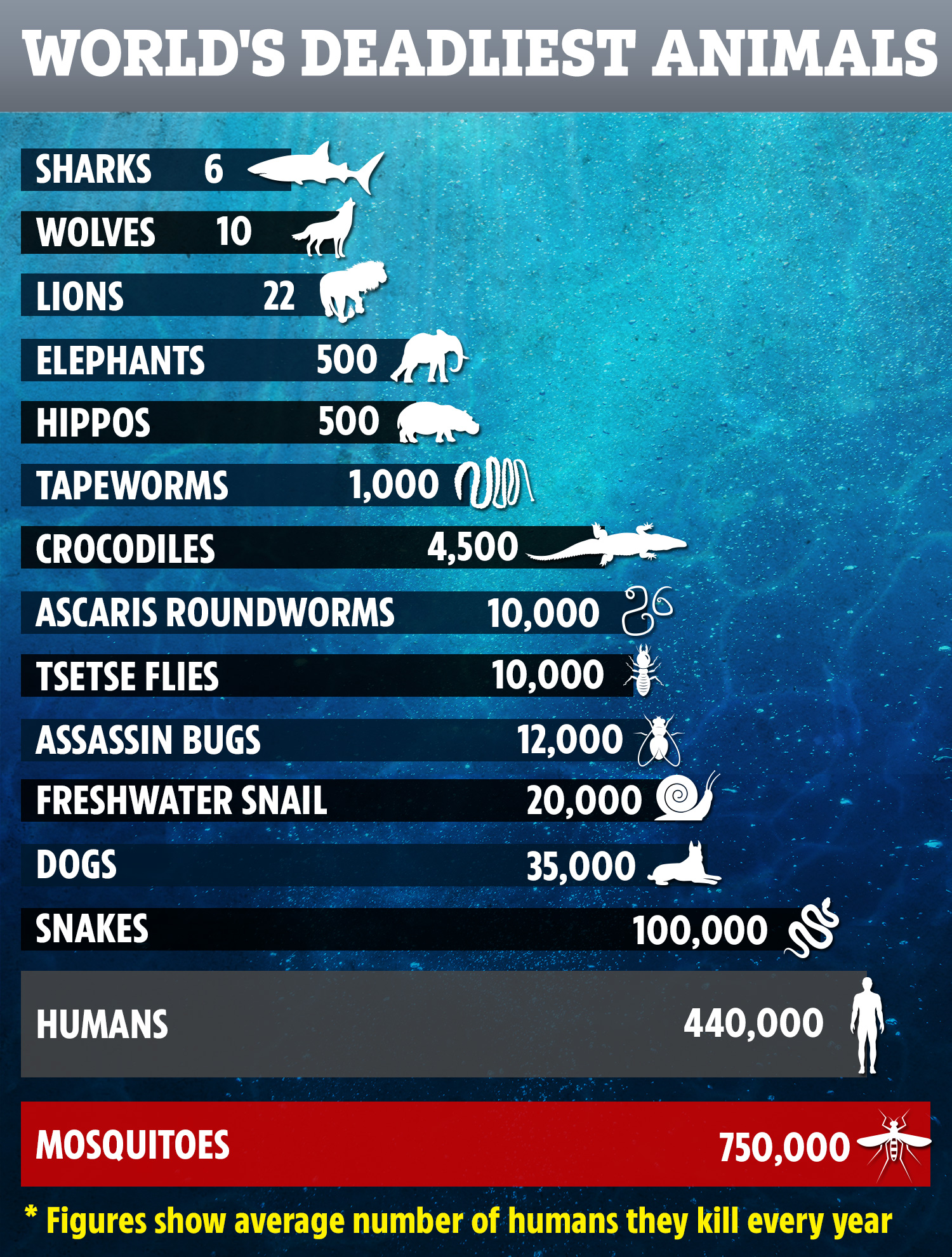
When we think about deadly creatures, our minds often conjure images of ferocious hunters like lions or cunning predators such as sharks. However, the reality is both surprising and shocking: the animal responsible for more human fatalities than any other is not the formidable big cat or the notorious ocean dweller. Instead, it is a small, seemingly innocuous insect that claims this grim title. This revelation not only shifts our perspective but also compels us to reconsider our relationship with wildlife and the environment. Prepare yourself for a journey into the statistics and biology behind this fascinating—and frightening—truth.
According to numerous studies, including analyses reported in reputable publications, the creature that causes the most human deaths annually is none other than the mosquito. These unassuming insects, often overlooked in discussions about dangerous animals, account for approximately one million deaths per year globally. This staggering figure is primarily due to their role as vectors for a range of debilitating and sometimes fatal diseases.
Among the maladies spread by these blood-sucking nuisances, malaria stands out as the most notorious. A parasitic infection caused by the Plasmodium species, malaria wreaks havoc in tropical and subtropical regions, predominantly affecting sub-Saharan Africa. Despite valiant efforts in eradicating the disease, millions are affected each year, resulting in hundreds of thousands of deaths, the majority being children under five.
But it’s not just malaria; mosquitoes are also responsible for the transmission of other lethal diseases, including dengue fever, Zika virus, West Nile virus, and yellow fever. Each of these infections poses a unique set of challenges for public health and safety, demonstrating the pervasive threat mosquitoes present across various ecosystems and demographics.
The implications of mosquito-borne diseases extend beyond immediate health concerns. They also strain healthcare systems, cripple local economies, and catalyze a vicious cycle of poverty in affected areas. Communities plagued by these illnesses struggle with lost productivity, increased healthcare costs, and deteriorating quality of life. Thus, understanding the insidious nature of mosquitoes is not merely an academic endeavor—it is a pressing societal concern requiring urgent attention.
Transitioning to a broader perspective, it is essential to consider why mosquitoes possess the capacity to inflict such widespread morbidity and mortality. For one, they are extraordinarily prolific. A single female mosquito can lay up to 300 eggs in a single instance, resulting in a rapid population explosion that is difficult to control. Furthermore, their adaptability to various environments—from urban areas to dense forests—enables them to thrive in numerous settings, making eradication efforts even more daunting.
Moreover, mosquitoes have evolved to avoid many traditional control measures. Resistance to insecticides is becoming increasingly common, as these insects adapt to chemical treatments that were once effective. This evolution not only complicates efforts to subdue mosquito populations but also necessitates innovative approaches to disease control. Scientists are exploring a variety of methods, from genetically modifying mosquitoes to suppress their populations to creating targeted vaccines that could curb the prevalence of diseases they transmit.
While the mosquito’s dominance may seem overwhelming, it is imperative to recognize that we share our planet with many other animals that also pose significant threats to human life. For instance, humans often fall prey to larger mammals, such as hippopotamuses, which are considered one of the most dangerous animals in Africa. Despite their seemingly docile appearance, hippos are responsible for an estimated 500 deaths annually, primarily due to their territorial nature and aggressive encounters with boats and humans.
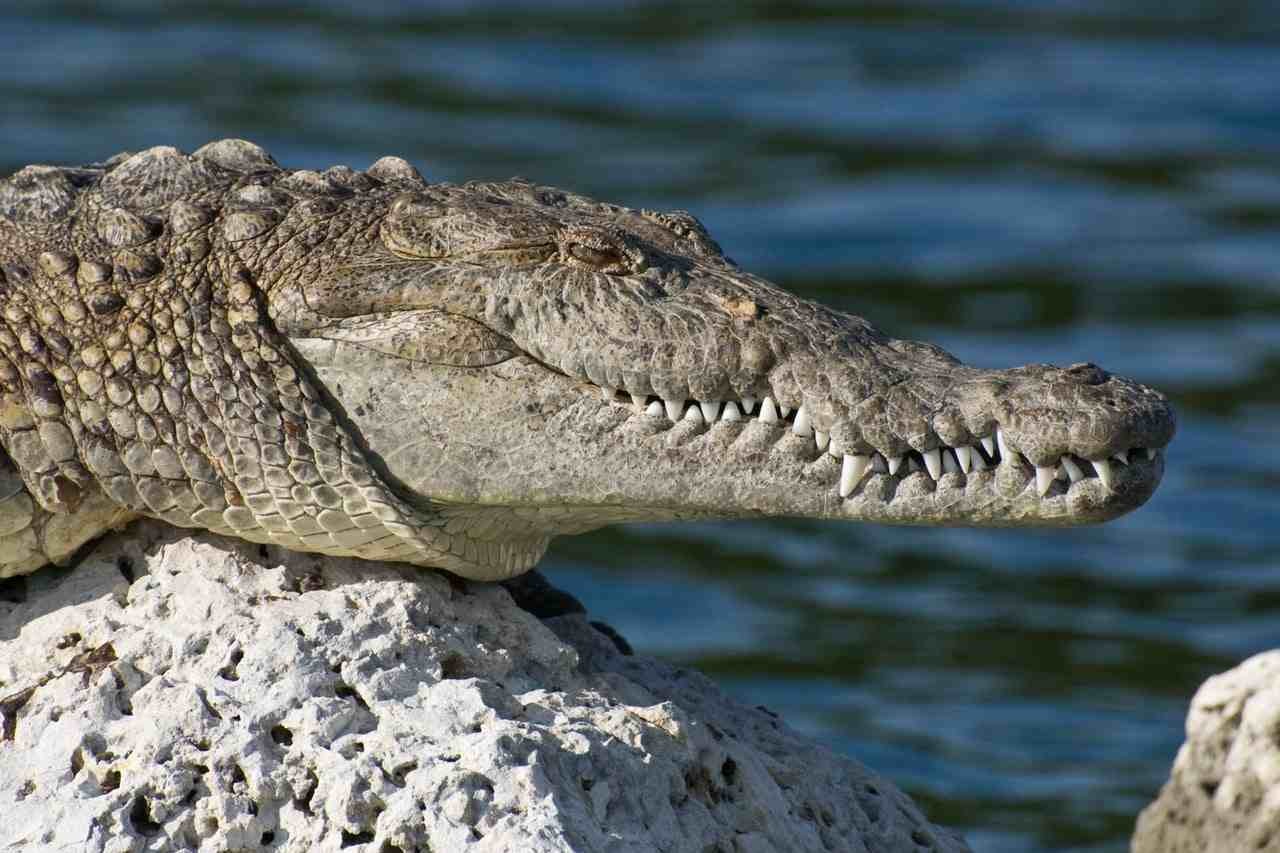
Similarly, other large predators, such as crocodiles, sharks, and even elephants, contribute to the toll of human fatalities. Nevertheless, the numbers pale in comparison to the lethality of mosquitoes. It compels one to ponder the impact of our interactions with the wilderness and the species that inhabit it. Indeed, while we may fear the bite of a snake or the claws of a bear, it is the tiny mosquito that wields a far deadlier power.
As society grapples with the repercussions of our actions on wildlife and the environment, it becomes apparent that understanding and mitigating the risks posed by these creatures requires an interdisciplinary approach. Collaborative efforts among governments, scientists, and communities are paramount to devise effective strategies that address the complexity of disease transmission and biodiversity loss.
In conclusion, the question of which animal kills the most people yields a surprising and thought-provoking answer. The mosquito, often dismissed as a minor nuisance, possesses the capability to inflict greater harm to human populations than many fearsome predators. To combat the impacts of these diminutive assassins, proactive measures must be prioritized, fostering a greater awareness of our ecological responsibilities. The path forward necessitates a shift in perspective, recognizing that preserving our health involves not only protecting ourselves from formidable beasts but also from the unseen threats lurking in our midst.