Have you ever encountered a raccoon lurking in your attic or rummaging through your garbage? If so, you know how unsettling it can be. The question arises: will animal control remove raccoons, and what steps should you take if you find yourself grappling with a wildlife dilemma? It’s essential to confront this challenge head-on, as ignoring it could lead to further complications.
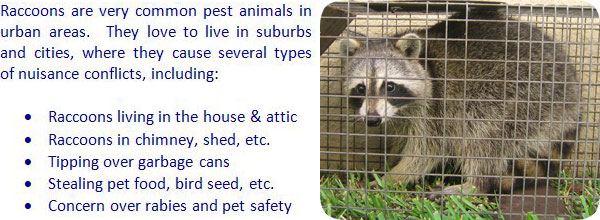
Raccoons are often regarded as cute and quirky, but they can pose significant problems when they invade your home or property. Known for their dexterous paws and mischievous habits, these nocturnal creatures can create chaos in their quest for food and shelter. They rummage through trash, dig up gardens, and, most alarmingly, can enter attics and basements. Their presence may not only lead to property damage but also expose you and your family to potential health risks through disease transmission.
Understanding the basics of raccoon behavior is crucial. Raccoons are highly intelligent and adaptable animals. They can thrive in urban environments, showcasing their remarkable ability to scavenge and thrive in human-made settings. If you discover raccoons in your vicinity, it’s vital to assess the situation promptly. Typically, these animals are most active at night, making their presence known through distinctive noises and movement. You might hear scratching sounds, chattering, or even the unmistakable noise of a trash can toppled over.
So, what can you do when faced with a raccoon problem? First and foremost, consider reaching out to animal control services. Many municipalities have established programs specifically designed to deal with wildlife issues, including raccoons. Animal control officers are trained professionals equipped to handle these encounters safely and effectively. In general, they will remove any raccoons present in a humane manner, utilizing techniques to minimize stress on the animals while ensuring community safety.
However, before you act, it’s imperative to take stock of your surroundings. Are there any signs that raccoons have made your home their sanctuary? Look for droppings, claw marks, or damage to areas where they could enter, such as vents, chimneys, or gaps in insulation. If you suspect raccoons have taken up residence, you must not take matters into your own hands, as attempting to capture or remove them can be dangerous and illegal in many areas.
Once you’ve identified the problem, document the situation. Take photos and notes about evidence of raccoon activity and any harm they’ve caused. This information will be invaluable when contacting animal control; it helps them assess the urgency and scale of the problem. Remember to check local regulations regarding wildlife removal. Familiarize yourself with any permits or licenses required for animal control in your locality to streamline the process.
In some regions, professional wildlife control services operate as private entities. These companies often specialize in raccoon removal and prevention. Engaging such services can be beneficial, especially if animal control resources are limited. A reputable wildlife removal company will implement strategies to trap and relocate raccoons humanely, without causing them unnecessary suffering. They can also perform a thorough inspection and provide recommendations to secure your property against future invasions.
Of course, prevention is fundamental. If you’ve successfully had raccoons removed, immediate measures must be put in place to deter their return. Sealing entry points is critical. Raccoons are adept at finding ways into homes, so inspect your property meticulously for any potential entryways. Install cap covers on chimneys, secure vents, and fix any damaged screens or windows. Additionally, keep garbage in sealed containers and remove outdoor food sources, such as pet food, fruit from trees, or birdseed, to discourage these opportunistic eaters.
Consider installing raccoon-proof barriers. Fences should extend underground to thwart any attempts to burrow underneath, and overhangs can be installed to prevent access from above. Another effective deterrent is motion-activated lights or sprinklers; surprise elements can prevent raccoons from feeling safe on your property.
Ultimately, it is crucial to approach raccoon-related issues with compassion and respect. While they can be a nuisance, they are also an integral part of the ecosystem. Cooperative coexistence is possible when personal safety and humane treatment are prioritized. By taking informed actions and understanding the resources available to you, you can resolve your wildlife problems effectively without causing harm to these fascinating creatures.
In summary, when dealing with a raccoon problem, reaching out to appropriate animal control services is pivotal. Take inventory of your situation, document evidence, and understand the legalities surrounding wildlife management in your area. Engaging professional services can facilitate a humane resolution to your raccoon dilemma. Once the immediate situation has been addressed, focus on preventive measures to ensure a raccoon-free environment in the future. With these strategies and insights, you can confidently tackle the challenge of wildlife intrusion.